
What to Eat (and Avoid) for Rheumatoid Arthritis
Living with rheumatoid arthritis can feel overwhelming, especially when pain, stiffness, and fatigue affect your daily life. Many people searching for the best diet for rheumatoid arthritis believe they must drastically restrict their food choices or survive on only vegetables and salads.
But the truth is different.
In managing Rheumatoid Arthritis, diet is not about deprivation. Instead, the right foods can help reduce inflammation, support your immune system, and improve your overall quality of life. When combined with proper rheumatoid arthritis treatment, dietary changes can become a powerful tool to support your health.
In this guide, you will learn the best anti-inflammatory diet strategies, which foods help reduce inflammation, which foods to limit, and practical ways to apply these changes in everyday life.

The Role of Diet in Managing Rheumatoid Arthritis
Rheumatoid arthritis is not just a joint disease. It is an autoimmune condition that causes systemic inflammation, meaning it can affect multiple organs, including:
Joints
Blood vessels
Heart
Lungs
Skin
Because inflammation affects the entire body, managing rheumatoid arthritis requires a holistic approach.
Diet plays an important role because the foods you eat can either:
Reduce inflammation or Promote inflammation
However, it is important to understand a key principle.
Diet Supports Treatment — It Does Not Replace It
Diet should be viewed as a supportive tool alongside rheumatoid arthritis treatment, not a replacement for medications.
Many patients attempt to stop medications and rely only on diet. While some may notice short-term improvement, inflammation often returns because autoimmune disease requires medical management.
When diet and treatment work together, the benefits can include:
Reduced joint pain
Less stiffness
Improved energy
Better long-term disease control
This is why dietary changes are now included in professional recommendations for managing rheumatoid arthritis.
The Best Diet for Rheumatoid Arthritis
When researchers and rheumatology experts evaluate diets for rheumatoid arthritis, one dietary pattern consistently stands out.
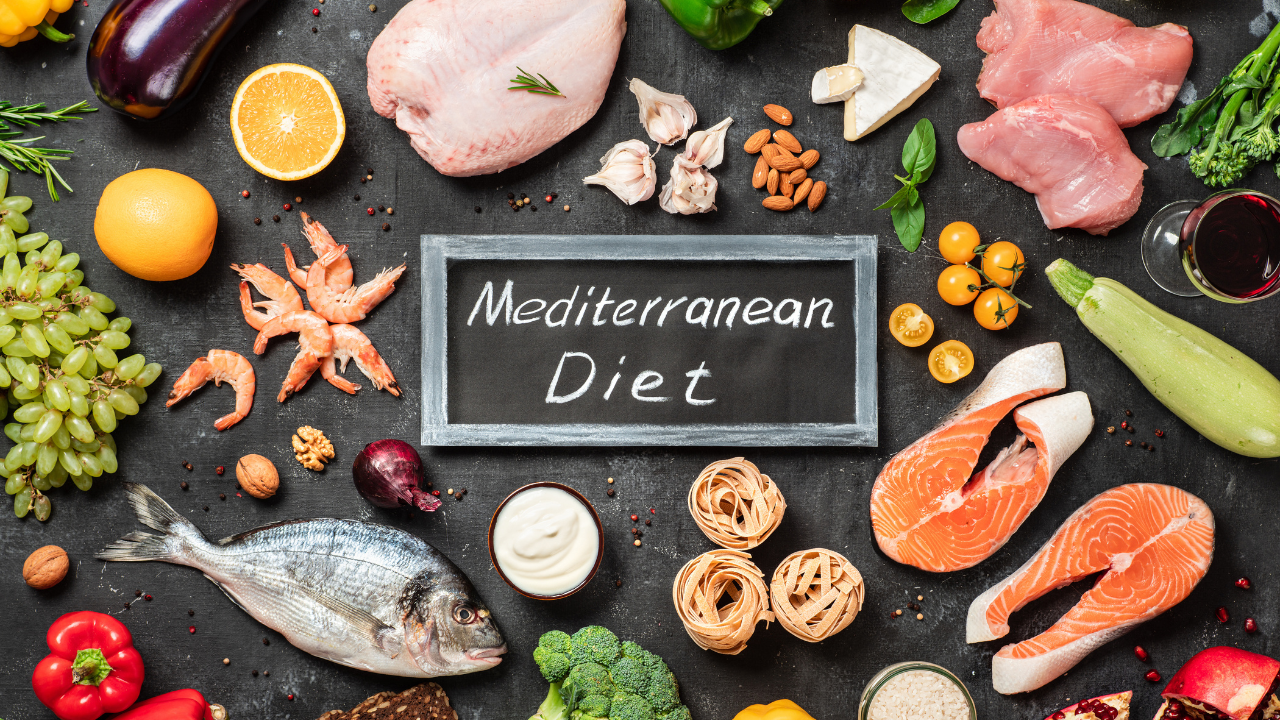
The Mediterranean Diet
The Mediterranean diet is widely considered the best diet for rheumatoid arthritis.
It emphasizes:
Vegetables
Fruits
Whole grains
Healthy fats
Fish
Nuts and seeds
At the same time, it limits foods that promote inflammation.
Key Principles of the Mediterranean Diet
Focus on these foods:
Extra virgin olive oil
Fatty fish
Colorful vegetables
Fruits and berries
Whole grains
Nuts and seeds
Legumes
Low-fat dairy
Limit these foods:
Processed foods
Refined carbohydrates
Excess sugar
Saturated fats
This eating pattern is naturally aligned with an anti-inflammatory diet, making it beneficial for people managing rheumatoid arthritis.
Why the Mediterranean Diet Helps Rheumatoid Arthritis
Scientific research suggests the Mediterranean diet may help people with rheumatoid arthritis by:
Reducing inflammatory markers
Improving joint pain and stiffness
Lowering disease activity
Supporting cardiovascular health
Two inflammation markers commonly monitored in rheumatoid arthritis treatment include:
C-reactive protein (CRP)
Erythrocyte sedimentation rate (ESR)
Studies show that anti-inflammatory dietary patterns may help reduce these markers, indicating lower levels of inflammation.
Another important benefit is improved physical function and quality of life.
Best Anti-Inflammatory Foods for Rheumatoid Arthritis
If you are searching for the best foods for rheumatoid arthritis, focus on ingredients that naturally fight inflammation.
1. Omega-3 Fatty Acids
Omega-3 fatty acids are among the most powerful nutrients for reducing inflammation.
Best food sources include:
Salmon
Mackerel
Sardines
Flaxseed
Chia seeds
Walnuts
Experts often recommend two servings of fatty fish per week.
Omega-3s help by:
Reducing inflammatory chemicals
Supporting joint health
Protecting cardiovascular health
2. Antioxidant-Rich Fruits
Colorful fruits contain powerful antioxidants that help combat inflammation.
Examples include:
Blueberries
Strawberries
Raspberries
Cherries
Pomegranates
These fruits contain plant compounds that help neutralize inflammatory damage in the body.
3. Leafy Green Vegetables
Leafy greens provide:
Fiber
Vitamins
Antioxidants
Examples include:
Spinach
Kale
Swiss chard
Arugula
Fiber also helps support gut health, which plays a role in immune regulation.
4. Cruciferous Vegetables
Cruciferous vegetables contain compounds that support detoxification and reduce inflammation.
Examples include:
Broccoli
Brussels sprouts
Cauliflower
Cabbage
5. Anti-Inflammatory Spices
Some spices contain natural anti-inflammatory compounds.
Helpful options include:
Turmeric
Ginger
Garlic
Cinnamon
Turmeric contains curcumin, a compound studied for its anti-inflammatory effects.
6. Green Tea
Green tea contains antioxidants called polyphenols, which may help reduce inflammation.
It may also support:
Improved sleep
Better metabolic health

Supplements That May Support Rheumatoid Arthritis
Some supplements may complement a healthy diet when managing rheumatoid arthritis.
Always discuss supplements with your doctor first.
Common options include:
Vitamin D
Supports immune regulation and bone health.
Fish Oil
Provides omega-3 fatty acids when fish intake is low.
Probiotics
Supports gut health, which may influence inflammation.
Natural probiotic foods include:
Yogurt
Kefir
Fermented foods
Foods That May Worsen Rheumatoid Arthritis
Certain foods may increase inflammation and worsen symptoms.
1. Processed and Red Meat
These foods are often high in saturated fat and inflammatory compounds.
Limit:
Processed meats
Bacon
Sausages
Frequent red meat intake
2. Added Sugar and Refined Carbohydrates
These foods cause blood sugar spikes and increased inflammation.
Examples include:
White bread
Sugary drinks
Pastries
Candy
Sweetened cereals
Replacing refined grains with whole grains is a healthier option.
3. Highly Processed Foods
Highly processed foods often contain:
Excess sodium
Artificial additives
Inflammatory fats
Reducing these foods supports overall health and managing rheumatoid arthritis.
Understanding Trigger Foods
Some people with rheumatoid arthritis notice that certain foods trigger symptom flares.
However, trigger foods vary widely from person to person.
Common possible triggers include:
Gluten
Dairy
Certain processed foods
A helpful strategy is to keep a food diary.
Track:
What you eat
Your symptoms
Timing of flares
This allows you to identify personal triggers rather than eliminating large food groups unnecessarily.
Practical Tips for Starting an Anti-Inflammatory Diet
Dietary changes work best when they are sustainable.
Here are practical steps for success.
Start Small
Instead of changing everything at once, begin by adding one anti-inflammatory food such as:
Fatty fish
Berries
Olive oil
Plan Your Meals
Meal planning improves consistency and reduces reliance on processed foods.
Try planning meals for the week during the weekend.
Use Budget-Friendly Options
Healthy eating does not have to be expensive.
Affordable options include:
Frozen fish
Canned sardines
Seasonal vegetables
Frozen berries
Work With Professionals
Your healthcare team may include:
Registered dietitian
They can help tailor dietary strategies to your individual needs.
Be Patient
Unlike medications, dietary changes take time.
Benefits often appear gradually over weeks or months.
Consistency is the key to success.

Common Diet Myths in Rheumatoid Arthritis
Myth 1: Everyone with RA must be vegan
Some people benefit from plant-based diets, but it is not required for all patients.
Myth 2: Elimination diets are necessary
Elimination diets can help identify trigger foods, but may be difficult to sustain long-term.
Myth 3: Fasting cures rheumatoid arthritis
Short-term fasting may temporarily reduce inflammation, but it is not sustainable or recommended long term.
Myth 4: Gluten must be avoided
A gluten-free diet is only necessary for people with:
Celiac disease
Gluten sensitivity
Frequently Asked Questions
-
The Mediterranean diet is widely considered the best diet for rheumatoid arthritis because it focuses on anti inflammatory foods such as fish, vegetables, fruits, nuts, and olive oil.
-
Diet cannot cure rheumatoid arthritis. However, it can help reduce inflammation and improve symptoms when combined with proper medical treatment.
-
Foods that may worsen inflammation include processed foods, excess sugar, refined carbohydrates, and large amounts of red or processed meat.
-
Some supplements like fish oil, vitamin D, and probiotics may support overall health, but they should be used alongside medical treatment.
-
Dietary improvements may take several weeks or months to show benefits. Consistency over time is important.
Finding the best diet for rheumatoid arthritis is not about strict food rules or extreme restrictions. Instead, it is about building a sustainable anti-inflammatory diet that supports your body while you continue proper rheumatoid arthritis treatment. By focusing on nutrient-dense foods such as fatty fish, colorful fruits, vegetables, whole grains, and healthy fats like olive oil, you can help lower inflammation and improve your overall well-being. Over time, these dietary habits can support better joint function, reduced stiffness, and improved quality of life while managing rheumatoid arthritis alongside medical care.
If you are living with rheumatoid arthritis, always discuss dietary changes with your rheumatologist so they can fit safely into your overall treatment plan. If you are located in North Carolina and are looking for a rheumatologist who can provide clear answers about your symptoms, treatment options, and lifestyle strategies, you can schedule an appointment atwww.empoweredarthritis.com for a comprehensive evaluation and a personalized care plan tailored specifically to you. Having the right medical guidance can make a significant difference in how effectively you manage inflammation and protect your long-term health.
If you are outside North Carolina or the United States but still want expert guidance, you can schedule a one on one coaching session with me. I would be happy to answer your questions, provide clarity about your symptoms, and help you create a practical plan so you can feel more confident about your next steps in managing rheumatoid arthritis. I also offer free resources to support you on this journey:
📘 Grab a copy of The Holistic Rheumatoid Arthritis Guide for step by step support
🥤 Download my FREE Rheumatoid Arthritis pain relief smoothie recipe
Remember, small, consistent changes in your diet can make a big difference in your rheumatoid arthritis
