
Living with rheumatoid arthritis often feels like managing a constant fire of inflammation. While medications are essential, many people also search for natural relief strategies to support their treatment plan. The good news? Certain spices in your kitchen may help calm inflammatory pathways linked to rheumatoid arthritis when used safely and appropriately.
As a rheumatologist, I want to be clear: spices are not replacements for your prescribed medications. But they can serve as complementary tools to help you better manage systemic inflammation. In this article, we’ll explore three powerful spices, cinnamon, saffron, and garlic, and how they may support your journey toward better control of rheumatoid arthritis.

Understanding Inflammation in Rheumatoid Arthritis
Rheumatoid arthritis (RA) is an autoimmune disease. Your immune system mistakenly attacks the lining of your joints, leading to:
Joint pain and swelling
Morning stiffness
Fatigue
Progressive joint damage
At the core of RA is chronic inflammation driven by immune signaling molecules called cytokines. These cytokines, such as tumor necrosis factor (TNF-alpha), act like messengers that amplify inflammation throughout the body.
Interestingly, some natural compounds found in common spices have been shown to influence these inflammatory pathways.
Let’s look at how.
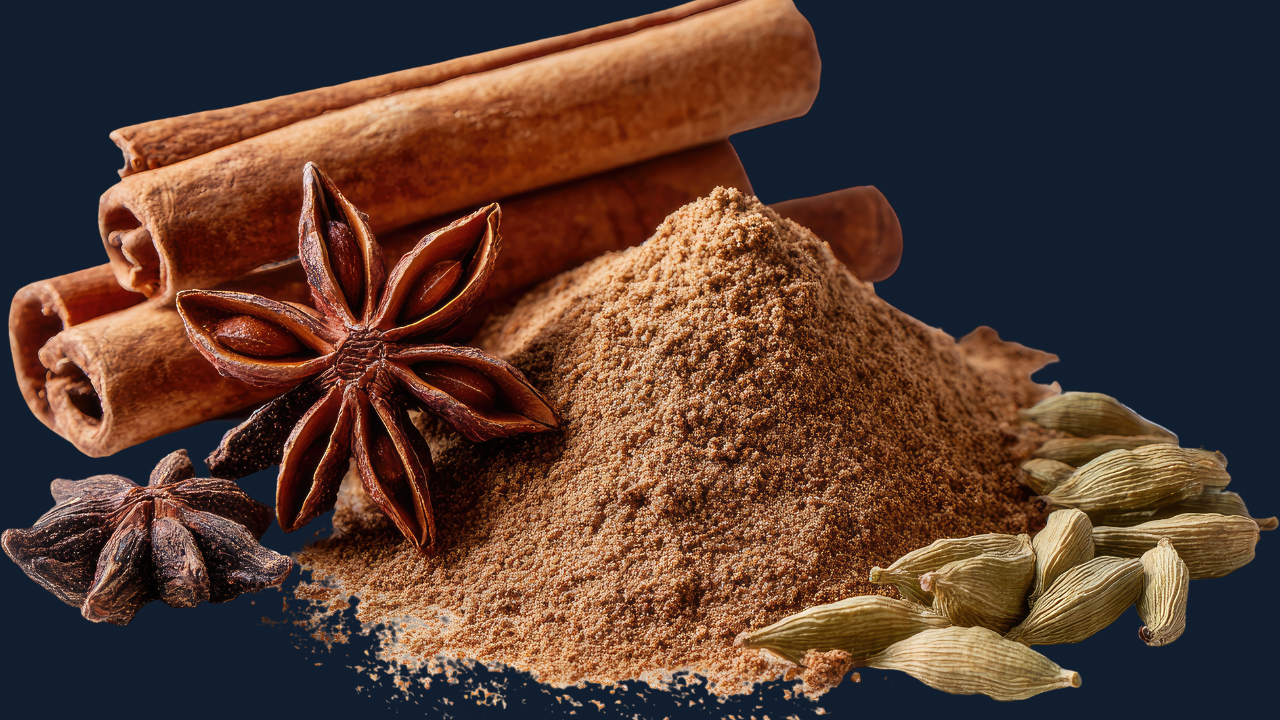
How Cinnamon May Reduce Inflammation
Cinnamon may seem like a simple baking spice, but it contains powerful bioactive compounds.
Cinnamon contains cinnamaldehyde, a compound shown to:
Suppress pro-inflammatory cytokines
Reduce markers of systemic inflammation
Potentially lower RA disease activity
In rheumatoid arthritis, cytokines are overactive. By helping regulate these immune signals, cinnamon may contribute to natural relief from inflammation.
Recommended Dose
1–2 grams daily
Approximately ½ teaspoon of cinnamon powder
There is no specific timing requirement, but it is best taken with meals.
Easy Ways to Add Cinnamon to Your Diet
You can incorporate cinnamon naturally into:
Oatmeal
Yogurt
Smoothies
Coffee
Curries
Rice dishes
Baked goods
If you prefer supplements, cinnamon capsules are available. Always choose reputable brands and follow label instructions.
Safety and Precautions
While generally safe in food amounts, excessive cinnamon intake may:
Cause mouth irritation
Rarely affects liver enzymes
Lower blood sugar levels
If you take diabetes medications, monitor your blood glucose closely when adding cinnamon.
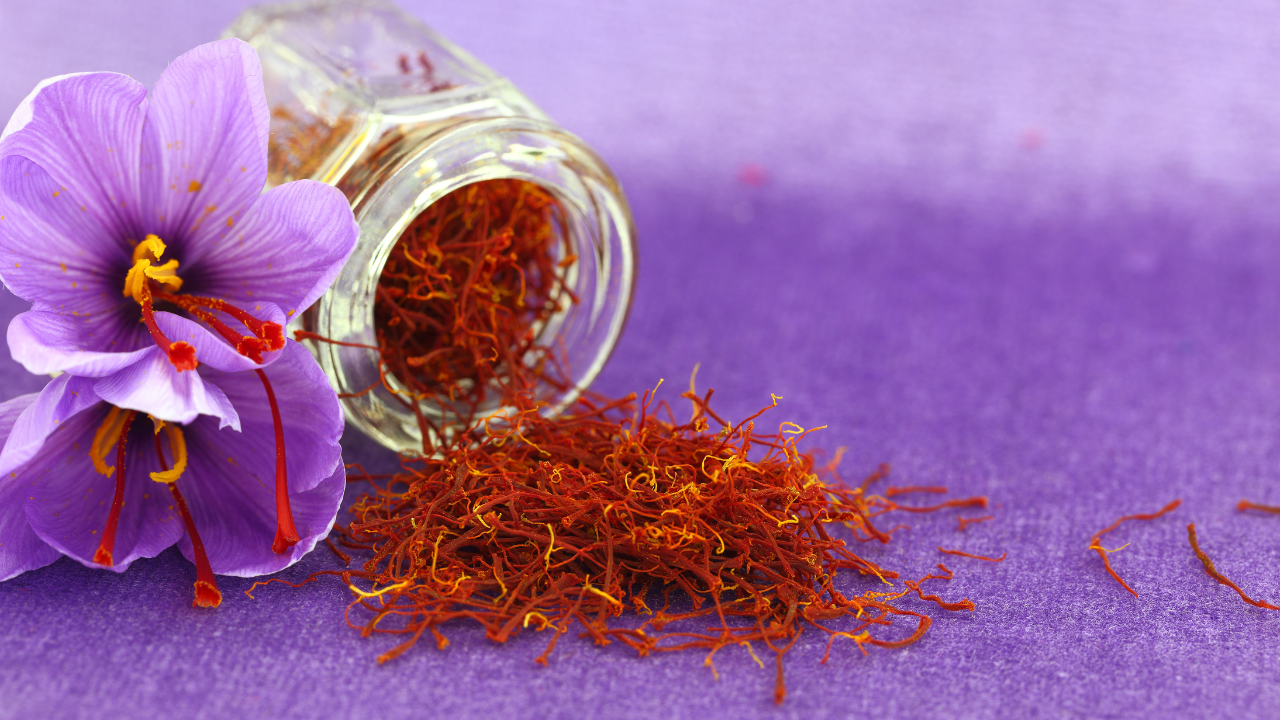
Saffron for Natural RA Relief
Saffron is more than a vibrant culinary ingredient—it contains potent anti-inflammatory compounds. In fact, saffron has been studied for its antioxidant, immune-modulating, and neuroprotective properties. Because rheumatoid arthritis is driven by systemic inflammation and oxidative stress, these mechanisms are especially relevant.
Active Compounds in Saffron
Saffron contains:
Crocin
Safranal
These compounds have been studied for their ability to:
Reduce inflammatory cytokines
Decrease oxidative stress
Potentially improve inflammatory conditions
Because rheumatoid arthritis is a systemic inflammatory disease, antioxidants and anti-inflammatory compounds may offer supportive benefits.
How Much Saffron to Use
There is no standardized RA dosing, but traditionally:
1–2 saffron threads per day
A practical method:
Soak threads overnight in water or milk.
Add them to rice or meals the next day.
This enhances both absorption and flavor.
Safety Considerations
Saffron may:
Lower blood pressure
Cause mild stomach upset in some individuals
If you take antihypertensive medications, monitor your blood pressure regularly.
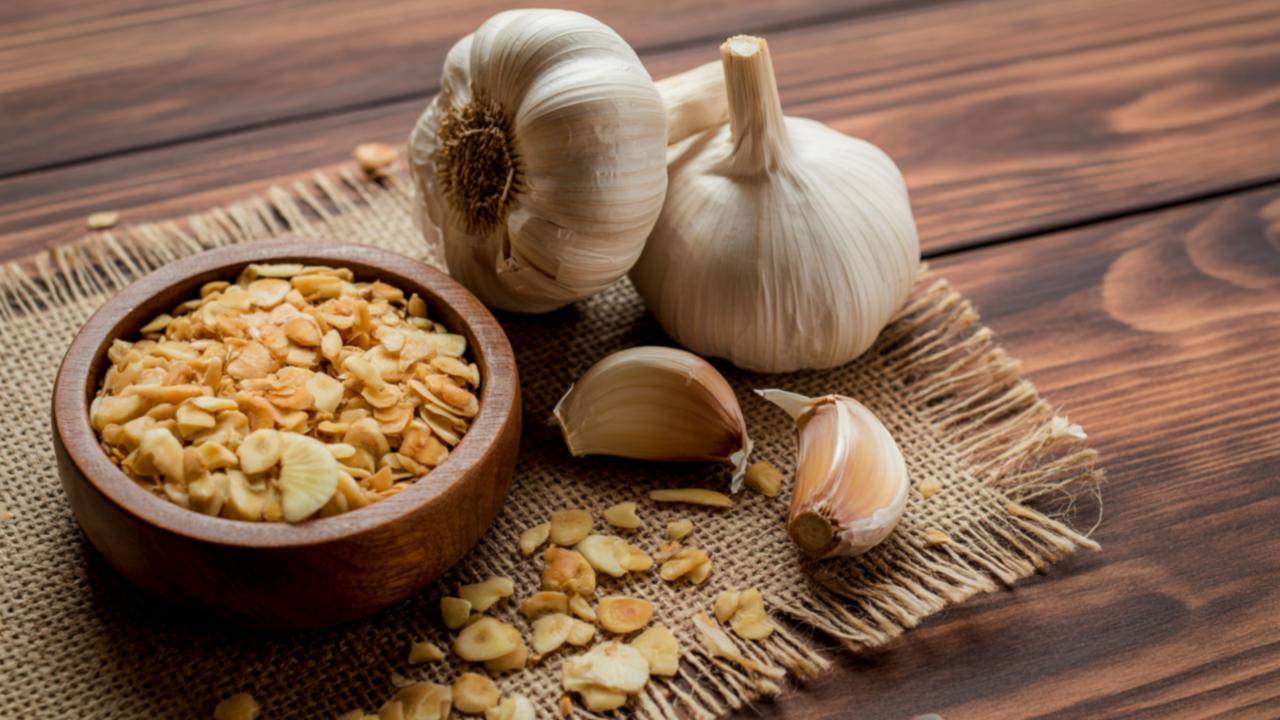
How Garlic Impacts Rheumatoid Arthritis
Garlic has been used for centuries in traditional medicine systems, but modern research now helps us understand why it may support people looking for natural relief from rheumatoid arthritis–related inflammation.
Garlic contains organosulfur compounds, which may:
Suppress inflammatory cytokines
Reduce TNF-alpha activity
Support immune modulation
Interestingly, some biologic medications for rheumatoid arthritis—like TNF inhibitors—target similar inflammatory pathways.
Examples include:
Etanercept
Adalimumab
Garlic is not a substitute for these medications, but it may complement your treatment plan.
Recommended Intake
1–2 cloves of fresh garlic per serving
If using supplements, follow label recommendations.
How to Reduce Side Effects
Garlic may cause:
Stomach irritation
Strong odor
Increased bleeding risk
To minimize issues:
Take with meals
Consider evening consumption
Monitor for unusual bruising
If you take blood thinners such as warfarin, consult your doctor before supplementing.
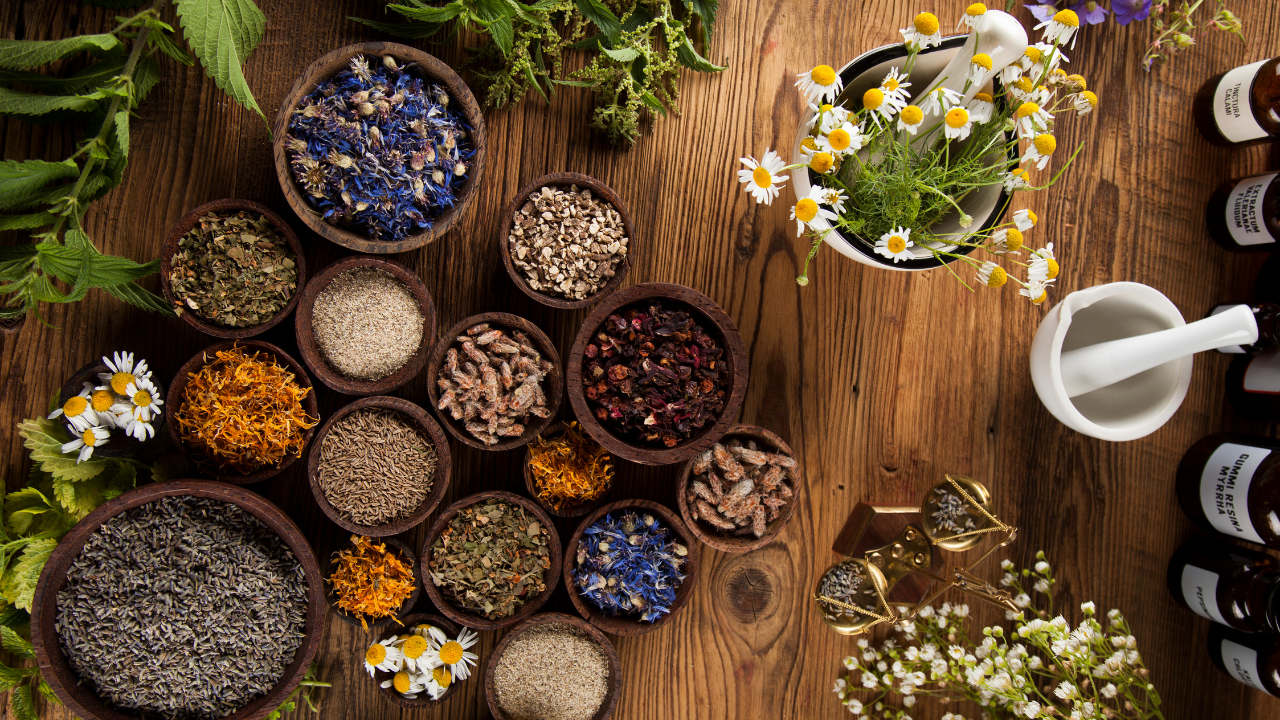
How to Safely Use Spices for Rheumatoid Arthritis
Adding spices for natural relief requires thoughtful planning because rheumatoid arthritis is a systemic autoimmune disease; even natural interventions must be approached strategically. Spices can support inflammation control but only when used with awareness, consistency, and medical oversight.
1. Start Slow
Begin with the lowest recommended dose and increase gradually. This helps reduce:
Digestive discomfort
Unwanted interactions
2. Monitor for Interactions
Be cautious if you have:
Diabetes
High blood pressure
Liver disease
Bleeding disorders
Spices may interact with medications like:
Methotrexate
Antihypertensives
Blood thinners
Always inform your rheumatologist about supplements you use.
3. Choose Quality Products
Look for:
Third-party tested supplements
Clear labeling of active compounds
Standardized extracts
4. Take with Meals
This improves absorption and reduces stomach irritation.
5. Practice Patience
Spices are mild, complementary tools. They do not work overnight. Benefits may take weeks of consistent use.
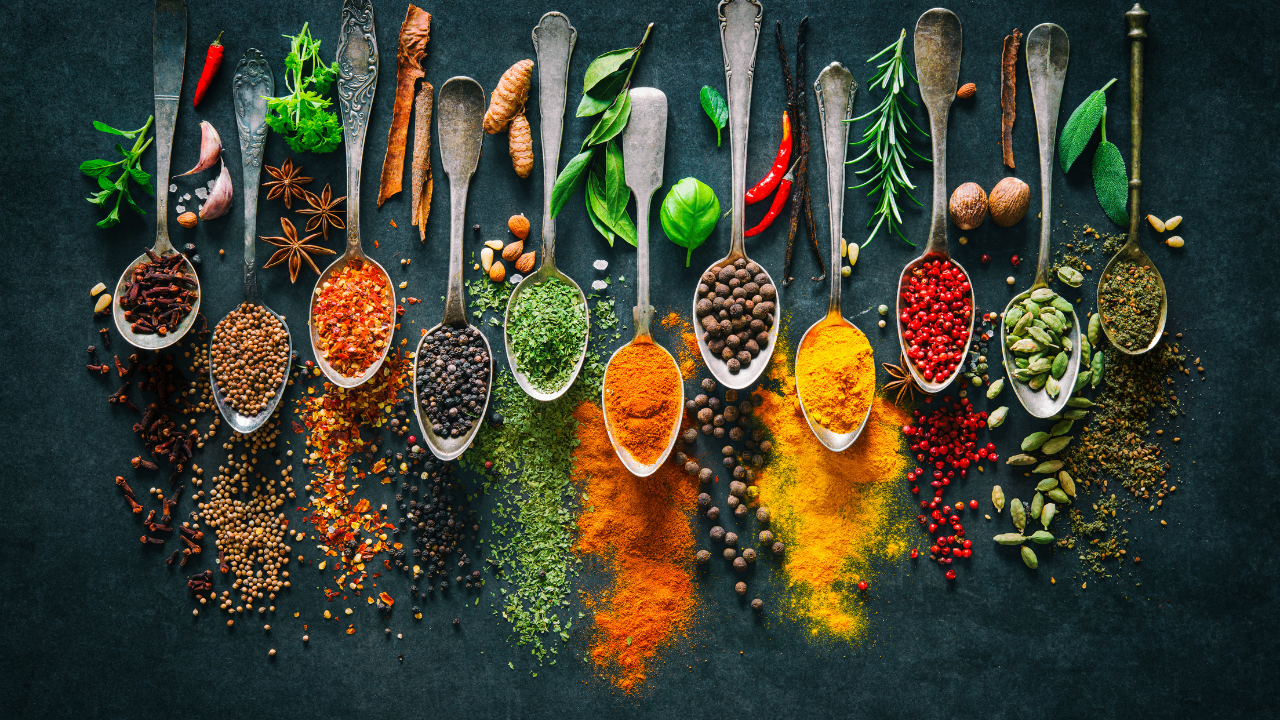
Spices Are Complementary Not a Replacement
It is critical to understand:
Spices do NOT replace prescribed rheumatoid arthritis medications.
RA is a systemic autoimmune disease. Uncontrolled inflammation can cause:
Joint destruction
Cardiovascular risk
Disability
Disease-modifying antirheumatic drugs (DMARDs) and biologics are essential for preventing progression. Natural relief strategies work best when integrated into a comprehensive treatment plan.
Frequently Asked Questions (FAQ)
-
No. Spices cannot cure rheumatoid arthritis. They may help support natural relief by reducing inflammation, but they must be used alongside medical treatment.
-
Spices work gradually. You may need several weeks of consistent use to notice subtle improvements.
-
Food-based use is generally preferred. Supplements can be helpful, but should be high-quality and physician-approved.
-
In moderate food amounts, yes. If using supplements, consult your doctor to avoid interactions.
-
Yes. Garlic may increase bleeding risk when combined with anticoagulants. Always speak with your physician before adding supplements.
A Systems Approach to Reducing Inflammation
Managing rheumatoid arthritis requires more than one strategy. I encourage patients to think beyond food alone and consider a structured framework:
Nutrition
Exercise
Sleep
Stress management
Regular monitoring
Avoiding smoking and excess alcohol
Positive support systems
Spices can be part of this broader anti-inflammatory system—but not the entire solution.
When to Talk to Your Rheumatologist About Natural Relief
If you are considering adding spices for natural relief from rheumatoid arthritis, the most important step is having an open conversation with your rheumatologist.
Rheumatoid arthritis is not just joint pain—it is a systemic autoimmune disease driven by chronic inflammation. Even natural strategies can influence:
Liver function
Blood pressure
Blood sugar
Bleeding risk
Medication effectiveness
Before adding supplements like cinnamon, saffron, or garlic in concentrated doses, discuss:
Your current medications (especially methotrexate or biologics)
Your liver enzyme trends
Any history of bleeding disorders
Blood pressure control
Diabetes management
A personalized plan ensures that your pursuit of natural relief supports your treatment not complicates it.

Looking for a Rheumatologist in North Carolina?
If you are in North Carolina and searching for clear answers about your rheumatoid arthritis symptoms, inflammation markers, or treatment options, you do not have to navigate this alone.
At Empowered Arthritis & Rheumatology Center, we provide:
Comprehensive rheumatologic evaluations
Advanced inflammation assessment
Evidence-based medication management
Lifestyle and nutrition guidance
A personalized care plan tailored specifically to you
If you are experiencing:
Persistent joint pain
Swelling that is not improving
Fatigue you cannot explain
Confusion about your lab results
Side effects from medications
Uncertainty about whether natural remedies are safe for you
You deserve clarity.
You can book an appointment for a comprehensive evaluation at:
👉 www.empoweredarthritis.com
Our goal is to reduce inflammation safely, protect your joints long-term, and help you feel confident about your rheumatoid arthritis care plan.
Outside North Carolina or the United States?
If you are outside North Carolina—or even outside the United States but still want guidance about managing rheumatoid arthritis inflammation naturally and medically, you can schedule a one-on-one coaching session with me.
During these sessions, we can:
Review your current symptoms
Discuss your lab markers
Clarify medication concerns
Evaluate natural relief strategies
Build a step-by-step action plan
Help you prepare questions for your local rheumatologist
These sessions are educational and empowering. While they do not replace medical care in your local region, they provide clarity so you can move forward confidently.
Living with rheumatoid arthritis can feel overwhelming. But when you understand your inflammation, your treatment options, and your natural support strategies, you regain control.
Free Resources to Support Your Rheumatoid Arthritis Journey
Education is powerful. And I believe you should have access to clear, practical tools.
📘 Grab a copy of The Holistic Rheumatoid Arthritis Guide
A step-by-step resource designed to help you understand inflammation, medications, lifestyle strategies, and natural relief options in a structured, easy-to-follow format.
🥤 Download my FREE Rheumatoid Arthritis Pain Relief Smoothie Recipe
An anti-inflammatory recipe designed to complement your rheumatoid arthritis management plan and support your daily nutrition goals.
These resources are designed to give you actionable steps—not vague advice—so you can reduce inflammation safely and confidently.
