
Why Diet Matters More Than You Think in Rheumatoid Arthritis
Living with rheumatoid arthritis (RA) means navigating a condition that goes far beyond joint pain. RA is a chronic autoimmune disease driven by systemic inflammation, an ongoing immune response that affects not just the joints, but the entire body. While medications remain the cornerstone of RA treatment, many people continue to experience unpredictable flares despite doing “everything right.” This often leads to an important and frustrating question: Could food be playing a role in triggering rheumatoid arthritis flares?
If you’ve searched online for answers, you already know how overwhelming the information can be. One article tells you to cut out gluten. Another swears by a carnivore diet. Someone else claims dairy is the enemy, while others insist plant-based eating will “cure” RA. Much of this advice is based on anecdotal experiences, not science, and that confusion can leave people feeling anxious, restricted, and unsure of what to eat.
The truth is more nuanced. Diet does not replace medication, and there is no single “RA diet” that works for everyone. However, there is strong scientific evidence showing that certain foods can worsen inflammation and increase the risk of rheumatoid arthritis flares, while others may help calm the immune system. Understanding which foods consistently fuel inflammation and which dietary controversies deserve a more balanced view can help you make informed, sustainable choices without fear or extremes.
Today, we’ll break down the top foods to avoid during rheumatoid arthritis flares, explain why they worsen inflammation, and address common diet controversies using evidence-based insights. The goal is not perfection or restriction, but clarity so you can support your joints, your immune system, and your overall health with confidence.
Understanding Rheumatoid Arthritis Flares and Inflammation
A rheumatoid arthritis flare occurs when symptoms suddenly worsen more joint pain, stiffness, swelling, fatigue, and sometimes systemic symptoms like brain fog or low energy. These flares are driven by increased inflammatory activity in the immune system.
Inflammation in Rheumatoid Arthritis is influenced by:
Immune system activation
Hormonal and metabolic changes
Body weight and fat tissue
Gut health and microbiome balanceEnvironmental triggers, including diet
Certain foods can amplify inflammation by increasing blood sugar, promoting insulin resistance, altering gut bacteria, or triggering inflammatory signaling molecules called cytokines. When inflammation is already present, as it is in RA, these foods can act like fuel on a fire, making flares more intense and harder to control.
1. Sugar-Sweetened Beverages: A Major Trigger for RA Flares

Why Sugar-Sweetened Beverages Are Harmful in Rheumatoid Arthritis
Sugar-sweetened beverages (often called SSBs) are one of the most consistent dietary contributors to inflammation. These include:
Regular soda
Sweetened teas and coffees
Energy drinks
Sports drinksFruit juices with added sugar
These drinks contain large amounts of added sugars, often in the form of high-fructose corn syrup or sucrose. Unlike whole foods, liquid sugars are absorbed rapidly, causing sharp spikes in blood glucose.
The Inflammation Connection: Sugar, Insulin, and RA
When blood sugar rises quickly, the body responds by releasing insulin. Repeated sugar spikes force the body to produce excessive insulin over time, leading to insulin resistance. Insulin resistance is strongly linked to chronic inflammation even before diabetes develops.
This matters in rheumatoid arthritis because:
RA is already an inflammatory disease
Insulin resistance worsens systemic inflammation
Higher inflammation increases flare frequency and severity
Additionally, sugar-sweetened beverages contribute to weight gain. Excess fat tissue is metabolically active and releases inflammatory chemicals called adipokines and cytokines, which further drive joint inflammation.
Why Fruit Juice Isn’t Always a Healthy Alternative
Many people assume fruit juice is harmless or even beneficial but most juices contain:
Concentrated sugar
Little to no fiber
Similar blood sugar effects as soda
During RA flares, fruit juice can worsen inflammation just as much as soda, especially when consumed regularly. Although fruit juice is often perceived as a “healthier” option, it lacks the fiber found in whole fruit and delivers a concentrated dose of sugar that is rapidly absorbed into the bloodstream. This can trigger blood sugar spikes, increase insulin release, and ultimately promote inflammatory pathways that may intensify joint pain, stiffness, and swelling.
Bottom line: Avoiding sugar-sweetened beverages is one of the most impactful dietary changes you can make to reduce inflammation and support better RA flare control.
2. Ultra-Processed Foods: Inflammation in Disguise

What Are Ultra-Processed Foods?
Ultra-processed foods are industrial products designed for convenience and long shelf life. Common examples include:
Packaged snack foods
Chips and crackers
Sugary cereals
Processed meats (bacon, sausages)
Ready-made meals
Fast food
These foods are engineered to be hyper-palatable but nutritionally poor, meaning they are specifically designed to taste extremely good and keep you eating more, while providing very little fiber, vitamins, minerals, or protective anti-inflammatory nutrients. Instead, they are often loaded with refined carbohydrates, unhealthy fats, additives, and preservatives that disrupt normal metabolism, promote overeating, and contribute to chronic inflammation.
Why Ultra-Processed Foods Worsen RA Flares
Ultra-processed foods often contain:
High saturated fat
Trans fats
Excess sodium
Emulsifiers and additives
Low fiber
Low micronutrient content
Each of these components has been shown to increase inflammation.
Trans fats and saturated fats directly activate inflammatory pathways. Emulsifiers can disrupt gut barrier integrity, leading to immune activation. Low fiber intake negatively affects the gut microbiome, which plays a critical role in immune regulation.
The Obesity–Inflammation Cycle
Ultra-processed foods also increase the risk of obesity. As discussed earlier, excess fat tissue produces inflammatory chemicals that worsen RA symptoms. When someone with RA consumes large amounts of ultra-processed foods, inflammation increases both directly (from the food itself) and indirectly (through weight gain).
Think of it this way: if RA is already an inflammatory condition, ultra-processed foods add more fuel to the fire.
3. Red Meat and Processed Meat: Not All Protein Is Equal

Why High Intake of Red and Processed Meat Can Trigger Flares
Red meat and processed meat are often high in:
Saturated fatty acids
Nitrates and nitrites
Advanced glycation end products (AGEs)
These compounds are associated with increased inflammation and oxidative stress, both of which play a central role in rheumatoid arthritis disease activity. Oxidative stress occurs when there is an imbalance between free radicals and the body’s ability to neutralize them, leading to cellular damage and further immune activation. In people with rheumatoid arthritis, where the immune system is already overactive, this added oxidative burden can worsen joint inflammation and contribute to more frequent or severe flares.
Processed meats such as bacon, sausages, hot dogs, and deli meats often contain preservatives like nitrates and nitrites, which have been shown to stimulate inflammatory pathways in the body. These additives can increase the production of pro-inflammatory cytokines, the same chemical messengers that drive joint pain, swelling, and stiffness in rheumatoid arthritis. Red meat, particularly when consumed in large quantities or on a regular basis, is also higher in saturated fat, which has been linked to increased systemic inflammation.
Cooking Methods Matter
How meat is prepared is just as important as the type of meat. High-heat cooking methods such as:
Grilling
Roasting
Deep frying
create higher levels of inflammatory compounds in food. These techniques significantly increase the formation of advanced glycation end products (AGEs), harmful molecules that form when proteins or fats are exposed to high temperatures. AGEs are known to promote oxidative stress and activate inflammatory pathways in the body, both of which play a central role in rheumatoid arthritis disease activity. In individuals with RA, where the immune system is already primed toward inflammation, higher AGE intake can further amplify joint pain, stiffness, and flare severity.
In contrast, lower-temperature and moisture-based cooking methods such as:
Steaming
Boiling
Poaching
Stewing
Slow cooking
Baking at moderate temperatures
produce far fewer AGEs. These gentler cooking techniques help preserve nutrients while minimizing the inflammatory load associated with food preparation. When combined with lean protein choices, they can significantly reduce the overall inflammatory burden placed on the body.
Choosing lean proteins such as:
Fish
skinless poultry
Legumes
Or plant-based protein sources
and preparing them using gentler cooking methods, allows individuals with rheumatoid arthritis to meet their nutritional needs without unnecessarily increasing inflammation. Over time, these small but consistent adjustments can support better flare control, improve metabolic health, and complement medical treatment without requiring extreme dietary restrictions.
Diet Controversies in Rheumatoid Arthritis: What the Evidence Really Shows
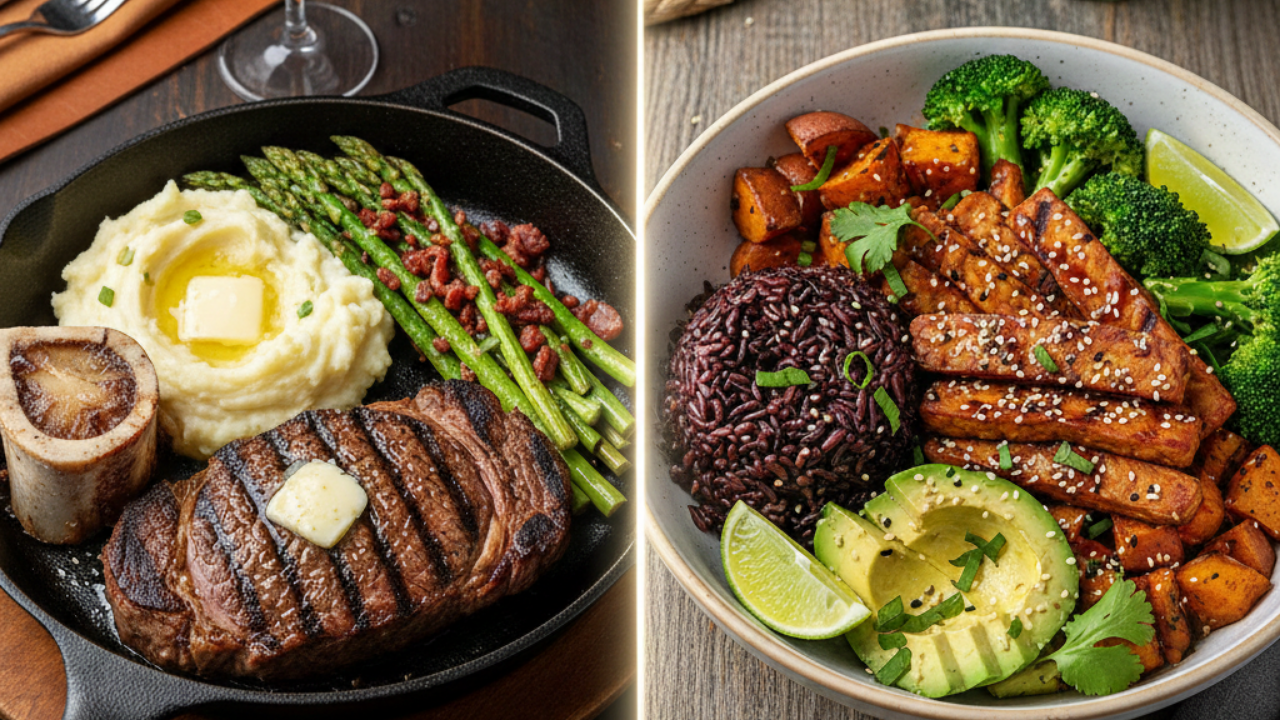
Plant-Based vs Animal-Based Diets
This is one of the most debated topics in RA nutrition. Current evidence suggests that a plant-predominant diet is beneficial for reducing inflammation. Plant foods are rich in:
Fiber
Antioxidants
Polyphenols
However, this does not mean all animal foods must be eliminated. Certain animal-based foods, such as fatty fish rich in omega-3s and lean proteins like chicken, can be anti-inflammatory when prepared properly.
The key factor is quality and balance, not extremes. A plant-predominant diet that emphasizes whole foods, fiber, and antioxidants while allowing room for high-quality animal proteins tends to be more sustainable and better supported by current evidence. Rather than focusing on strict rules, the goal is to build a pattern of eating that consistently supports inflammation control, metabolic health, and long-term joint function.
Gluten and Rheumatoid Arthritis
Gluten is another highly controversial topic. Some individuals report improvement in RA symptoms after going gluten-free, but scientific data is mixed.
A small study showed better RA control in patients following a vegan, gluten-free diet compared to a standard diet. However, the study size was small, and the results cannot be generalized to everyone with RA.
Practical recommendation:
Try a gluten-free diet for 6–12 weeks
Monitor symptoms carefully
Continue only if you notice meaningful improvement
People with celiac disease or non-celiac gluten sensitivity should avoid gluten. Others may not need to eliminate it entirely.
Dairy and Rheumatoid Arthritis Flares
Dairy affects people differently. The type of dairy matters:
Fermented dairy (yogurt, kefir): may be mildly anti-inflammatory
Low-fat dairy: generally neutral
High-fat dairy in large amounts: may contribute to weight gain and inflammation
A short dairy-free trial can help determine personal tolerance without unnecessary long-term restriction. Removing dairy for two to four weeks allows enough time to observe whether symptoms such as joint pain, stiffness, swelling, fatigue, or gastrointestinal discomfort improve. If noticeable improvement occurs, dairy may be a personal trigger worth limiting or modifying. If no meaningful change is observed, there is no strong evidence that complete dairy avoidance is necessary for rheumatoid arthritis, and dairy can be reintroduced thoughtfully without guilt or fear.

A Sustainable, Science-Based Approach to Eating with Rheumatoid Arthritis
Managing rheumatoid arthritis can feel overwhelming, especially when it comes to food. One day you’re told to cut everything out, the next day you’re told to eat only one way, and in the middle of it all, you’re just trying to get through your day with less pain, less stiffness, and more energy. The truth is, there is no single diet that magically “cures” rheumatoid arthritis. But there are foods that consistently worsen inflammation and increase the risk of flares, like sugar-sweetened beverages, ultra-processed foods, and excessive red or processed meat, and avoiding these can make a meaningful difference in how your body feels.
At the same time, diet is not about perfection or fear. It’s about patterns, quality, and personalization. Some people notice clear triggers. Others don’t. Some benefit from short elimination trials, while others do well with a balanced, plant-predominant approach that still includes high-quality proteins. What matters most is understanding your body, your symptoms, and your inflammation not following extreme rules that aren’t sustainable.
And if you’re feeling confused, overwhelmed, or unsure what’s actually triggering your flares, you don’t have to figure it out alone. Rheumatoid arthritis is complex, and so is nutrition. Getting clarity can help you stop guessing and start making informed decisions that truly support your joints and overall health. If you have questions, you can book an appointment through the coaching program page to get clarity, evidence-based recommendations, and support tailored specifically to your RA journey.
You deserve answers that are grounded in science, not noise. You deserve a plan that works for you. And most importantly, you deserve to feel empowered, not restricted on your path to better RA control.
BOOK AN APPOINTMENT NOW
🧡
BOOK AN APPOINTMENT NOW 🧡

Confused about what’s actually triggering your rheumatoid arthritis flares?
GET CLARITY. GET ANSWERS. GET A PLAN THAT WORKS.
