
Anti-Inflammatory Diet for Rheumatoid Arthritis (RA)
Inflammation is the driving force behind rheumatoid arthritis, yet nutrition remains one of the most confusing and emotionally charged topics for people living with this autoimmune disease. Many individuals with rheumatoid arthritis find themselves overwhelmed by contradictory advice about what to eat to reduce inflammation and manage pain. One source insists that plant-focused diets are the key to calming the immune system, while another claims that plants worsen inflammation and that animal-based foods are the real solution. These opposing messages flood social media, blogs, podcasts, and online forums, leaving many RA patients anxious and uncertain every time they make food choices. Instead of feeling empowered, food often becomes a source of fear, guilt, and frustration.
Rheumatoid arthritis is not just a joint condition. It is a chronic autoimmune disease in which the immune system mistakenly attacks healthy tissues, leading to widespread inflammation throughout the body. This inflammation can affect joints, muscles, energy levels, digestion, mood, and long-term health outcomes. While medication remains the cornerstone of rheumatoid arthritis treatment, lifestyle factors such as nutrition play an important supporting role. What you eat can influence inflammatory pathways, immune signaling, gut health, and overall quality of life. However, there is no single rheumatoid arthritis diet that works for everyone. The goal is not to follow rigid rules or eliminate foods blindly, but to understand how different foods affect your unique body and symptoms.

One of the biggest challenges in managing rheumatoid arthritis through diet is the unpredictable nature of the disease itself. RA symptoms can change over time, and foods that feel supportive during one phase may trigger discomfort during another. Stress, sleep quality, medication changes, hormonal shifts, and physical activity all interact with nutrition and influence how the immune system responds. When dietary advice ignores this complexity, people with RA may feel discouraged or blame themselves when symptoms persist. The reality is that your body is constantly adapting, and your nutrition needs may change along with it. This is why a flexible, personalized approach to food is far more effective than extreme or restrictive eating patterns.
As interest in food as medicine continues to grow in 2026, it is essential to move away from polarized debates and toward practical guidance rooted in both science and real-world experience. Nutrition should support your life, not control it. For people with rheumatoid arthritis, the most effective dietary strategy is one that reduces inflammation, supports immune balance, and fits your individual needs and lifestyle. By focusing on awareness, consistency, and personalization rather than perfection, food can become a powerful tool for improving symptoms and restoring confidence instead of a constant source of confusion.

Why Diet Matters in RA: The Science Behind Food and Inflammation
When scientists study rheumatoid arthritis and diet, one of the most commonly measured markers is C-reactive protein or CRP. CRP is a blood marker that increases when inflammation is present in the body. Research shows that diets rich in antioxidants and anti-inflammatory nutrients are often associated with lower CRP levels. Foods such as fruits, vegetables, whole grains, and fatty fish provide compounds like polyphenols and omega-3 fatty acids that help support the body’s natural anti-inflammatory pathways.
However, the evidence is not one size fits all. Some people living with chronic inflammation experience negative reactions to certain plant-based foods. Components such as lectins or oxalates may irritate the gut lining or trigger immune responses in sensitive individuals. On the other hand, animal-based foods are highly nutrient-dense and contain bioavailable vitamins and minerals, but they can also be higher in saturated fat and omega-6 fatty acids, which in some contexts are linked to increased inflammation.
These mixed findings are what fuel the ongoing debate about which foods are inflammatory and which foods are anti-inflammatory. The reality is that both approaches have benefits and limitations, and neither guarantees remission for everyone with rheumatoid arthritis. The most effective strategy is personalization. Nutrition works best when it is used as a tailored therapeutic tool rather than a rigid ideology, allowing individuals to support inflammation control based on their unique biology and symptoms.

Understanding Plant-Based Diets
Plant-based diets emphasize vegetables, fruits, nuts, seeds, legumes, and whole grains. These foods are rich in polyphenols and antioxidants that help neutralize free radicals and reduce inflammatory signaling in the body. Observational studies suggest that higher intake of plant foods is associated with lower inflammatory markers and improved overall health outcomes.
Benefits of plant-based eating for rheumatoid arthritis may include:
Lowered CRP and systemic inflammation
Polyphenols and antioxidants found in colorful fruits and vegetables have been scientifically linked to reduced inflammation and improved immune regulation.
High fiber support for gut health
Dietary fiber feeds beneficial gut bacteria, which produce short-chain fatty acids that help regulate immune function and support intestinal health.
Lower intake of saturated fats
Reducing animal-based fats may help decrease pro-inflammatory pathways and lower cardiovascular risk in some individuals with rheumatoid arthritis.
However, there are important challenges to consider:
Digestive tolerance issues
High fiber intake can be difficult for some individuals to tolerate, especially in the presence of gut barrier dysfunction or dysbiosis. This may lead to gas, bloating, abdominal discomfort, or worsening gastrointestinal symptoms.
Potential nutrient deficiencies
Strictly plant-based diets may increase the risk of inadequate intake of vitamin B12, iron, zinc, vitamin D, and omega-3 fatty acids. These nutrients are often less bioavailable from plant sources and may require supplementation or careful dietary planning.
The bottom line:
The key to plant-based eating is quality and context. Focus on whole, minimally processed foods while tailoring fiber intake, nutrient balance, and food choices to your individual digestive tolerance and nutritional needs.

Understanding Carnivore and Low-Plant Approaches
Carnivore and very low plant diets focus primarily on animal-based foods such as meat, fish, eggs, and animal fats while excluding or significantly limiting plant foods. Supporters of these diets suggest that removing plant antigens like lectins and oxalates may help reduce gut irritation and systemic inflammation. They also emphasize that animal foods provide essential nutrients in highly absorbable forms, which can be especially helpful for individuals with digestion or nutrient absorption challenges.
Key nutrients commonly highlighted include vitamin B12, which is essential for nerve function and often deficient in plant-based diets. Heme iron from animal sources is absorbed more efficiently by the body and supports oxygen transport and energy levels. Vitamins D and K2 are also abundant in animal foods and play important roles in immune regulation and bone health.
Despite these potential benefits, carnivore and very low plant diets are not without limitations. High intake of saturated fat and an imbalance between omega six and omega three fatty acids may increase inflammation in some individuals. Additionally, eliminating plant foods can reduce intake of fiber and phytonutrients that support gut health, immune function, and microbiome diversity.
The key to long term health is balancing nutrient density with inflammatory potential. What works for one person may not work for another, making individualized nutrition essential rather than a one-size-fits-all approach.
Fiber: Friend or Foe?
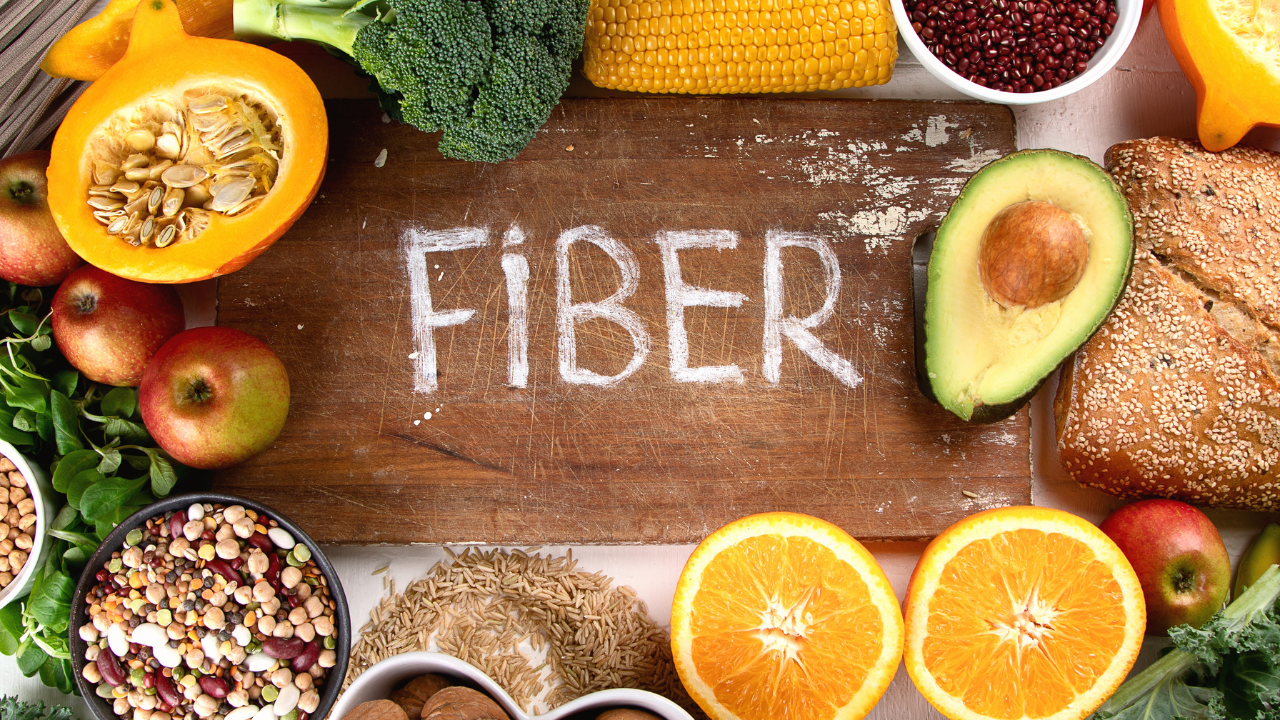
One of the most polarizing topics in rheumatoid arthritis nutrition is fiber. On one hand, fiber supports gut bacteria, promotes microbial diversity, and is associated with lower inflammatory markers. On the other hand, for people with gut sensitivity or autoimmune-related gut dysregulation, certain types of fiber can trigger bloating, discomfort, and immune system confusion.
So how do you decide what is right for you?
Journal your symptoms by tracking what you eat and how your body responds. This helps identify patterns between specific foods and rheumatoid arthritis flares.
Start low and slow by introducing high fiber foods in small portions and gradually increasing based on tolerance.
Use targeted testing when appropriate. Stool testing and gastrointestinal panels can provide insight into gut health and which fibers may be better tolerated.
Remember that gut health is closely connected to immune function. There is no one-size-fits-all approach. Finding your personal fiber balance is key to reducing inflammation and supporting long-term rheumatoid arthritis management.
Personalization Over Extremes: The Rheumatologist’s Approach
As a rheumatologist, I can confidently tell you there is no single perfect diet for everyone living with rheumatoid arthritis. Research shows that nutrition can influence inflammation, but every person’s immune system, genetics, gut microbiome, and lifestyle are different.
Your body is not a statistic. It is not just a number on a glucose meter or a CRP lab result. Your body tells a story. Nutrition is not a battle between opposing diets. It is a practical tool you can use to support your health.
In 2026, the focus is shifting away from rigid diet rules and toward precision nutrition. This approach recognizes that the best diet for rheumatoid arthritis is one that reflects your personal symptoms, responses to food, and ability to sustain healthy habits over the long term.
Real progress starts with curiosity, self-awareness, and evidence-based guidance, not fear or conflict.

NESSCAR Framework (Nutrition As Personalized Medicine)
Here’s how you can approach diet thoughtfully without falling into extremes:
1. Track What You Eat — Journal Your Patterns
Write down:
Foods eaten
Symptoms post-meal
Energy levelsPain flares
Sleep quality
This isn’t about perfection; it’s about pattern recognition. Your journal becomes your roadmap; it reveals what helps and what hurts.
2. Focus on Food Quality, Not Just Camps
Whether plant-based or animal-based:
Choose whole, unprocessed foods.
Prioritize nutrient density.
Avoid highly processed products, excess sugar, and refined oils — all of which can drive inflammation.
A real apple is far different from apple juice. Grass-fed steak is different from processed deli meat.
3. Start with One Sustainable Change Per Week
Pick one small change:
Try an extra serving of leafy greens each day.
Swap sugary drinks for water with citrus.
Add a fatty fish like salmon twice weekly.
Small changes build big momentum.
4. Support the 4Fs: Faith, Family, Friends, and Fulfillment
Nutrition is part of life, not separate from it. Connecting meals with family, joy, traditions, and purpose supports long-term lifestyle success.
5. Work With Professionals When Needed
A registered dietitian or clinician can help interpret your patterns, labs, and symptoms. This isn’t about perfection; it’s about partnership.
Shift from Pain to Possibility
Living with rheumatoid arthritis is an ongoing journey of adaptation, learning, and intuition. The evolving food landscape, from plant-based eating to protein-focused nutrition and fiber-rich wellness trends in 2026, reflects a broader shift toward viewing food as medicine. However, medicine works best when it is tailored to the individual. The goal is not to follow a single dietary ideology, but to identify what truly works for your body and your rheumatoid arthritis.
Your body deserves more than conflicting advice and online noise. It deserves clarity, compassion, and a personalized nutrition plan grounded in science and real-world experience. If you are feeling overwhelmed by guesswork, confusion, or frustration and want structured guidance to create a personalized nutrition strategy for rheumatoid arthritis, you can book an appointment through my website. Together, we will identify your patterns, refine your approach, and build a sustainable plan that supports your overall health, not just your symptoms.

Frequently Asked Questions (FAQs)
1. Can diet cure rheumatoid arthritis?
No. Diet cannot cure RA, but it can influence inflammation and overall well-being as part of a comprehensive management plan alongside medical therapy.
2. Should I go plant-based or carnivore for RA?
There’s no one-size-fits-all answer. Both approaches have benefits and drawbacks. Personalized experimentation and symptom tracking are key.
3. What foods are generally good for inflammation?
Whole fruits and vegetables, omega-3-rich fish, nuts, seeds, and whole grains are associated with lower inflammation markers.
4. Can fiber help my RA?
Fiber supports gut health but may be uncomfortable for some people. Track your tolerance and gradually adjust intake.
5. How do I know what diet is right for me?
Start a food and symptom journal, make small sustainable changes, and consider working with a clinician for personalized recommendations.
