
If you have rheumatoid arthritis, figuring out the right diet and food choices can feel overwhelming. One day you hear about national nutrition guidelines, and the next day you’re told certain foods may increase joint pain, inflammation, and fatigue. With so much conflicting advice, it’s hard to know what actually helps.
As a practicing rheumatologist, I see this confusion every day. While general dietary recommendations promote balanced eating, they are not specifically designed for people living with rheumatoid arthritis or other autoimmune diseases. The reality is that rheumatoid arthritis changes how your immune system reacts to food, how your gut processes nutrients, and how inflammation develops throughout your body. This means that even foods considered “healthy” for the general population may need to be adjusted to better support your joints and reduce symptoms.
Learn how national dietary guidelines apply specifically to rheumatoid arthritis and how simple food choices can help reduce inflammation, ease joint pain, and support your overall treatment plan. In this guide, you’ll discover how nutrition recommendations differ for people with RA and how to adjust your diet to better manage symptoms and prevent flare-ups. We’ll break down which anti-inflammatory foods to prioritize, which foods to limit, and how to build a practical, sustainable eating pattern that fits your lifestyle. By the end, you’ll have a clear, evidence-based framework for creating the best diet for rheumatoid arthritis so you can feel more confident, lower inflammation, reduce joint pain, and take control of your health without extreme restrictions or confusion.

Why Diet Matters in Rheumatoid Arthritis
Rheumatoid arthritis is a systemic autoimmune disease, not just a joint condition. Chronic inflammation affects:
Joints and connective tissue
The gut microbiome
Immune system regulation
Muscle mass and metabolic health
What you eat directly influences inflammation pathways, gut health, and immune signaling. While diet alone cannot cure rheumatoid arthritis, the right food choices can:
Reduce inflammatory burden
Support medications
Improve energy and stiffness
Help manage joint pain and flares
Rheumatoid arthritis and diet are closely connected. While nutrition does not replace treatment, eating anti-inflammatory, nutrient-rich foods and limiting processed options can reduce inflammation, support your immune system, and ease joint pain. Small, consistent changes in your diet can improve how you feel and live with rheumatoid arthritis.

Understanding the “Eat Real Food” Guidelines
The U.S. dietary guidelines promote a concept often summarized as “Eat Real Food.” These guidelines are meant for the general population, but they offer a useful foundation.
The Three Core Pillars
Protein and dairy
Fruits and vegetables
Whole grains
Adjust your rheumatoid arthritis diet by choosing anti-inflammatory foods and avoiding triggers to reduce joint pain, control inflammation, support treatment, and improve quality of life.
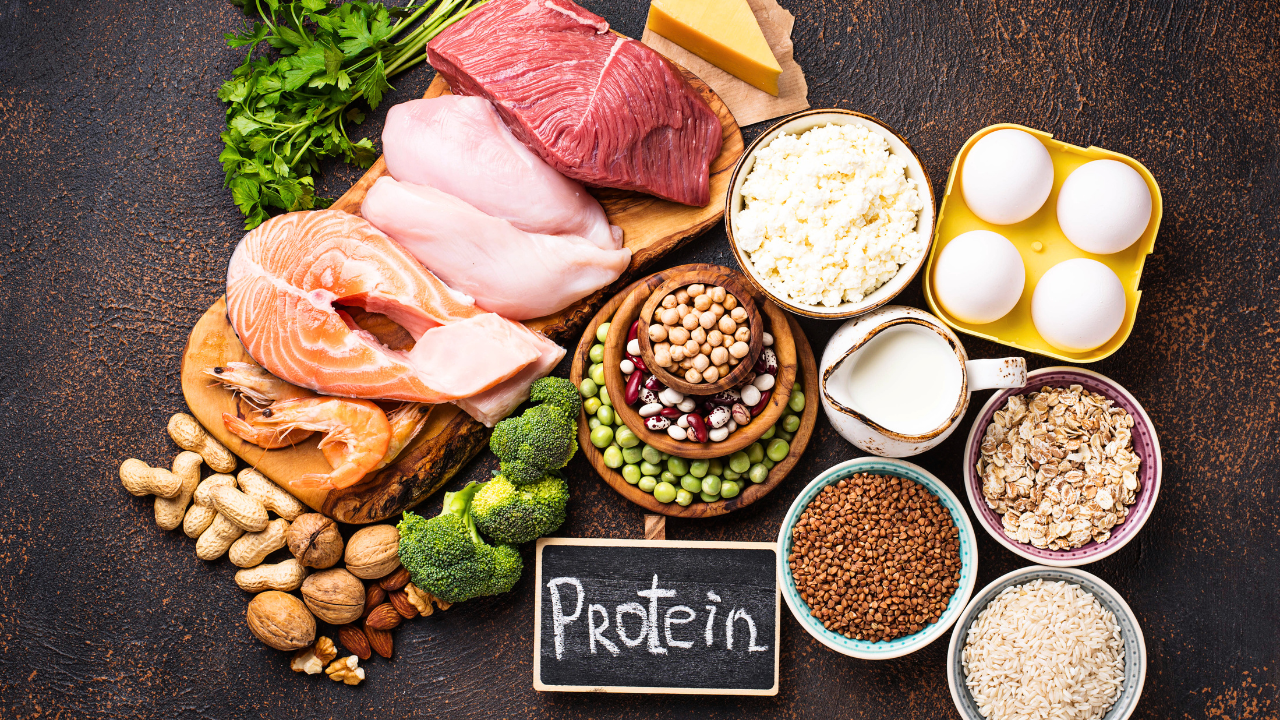
Protein: Essential But the Source Matters
Protein is critical for:
Muscle preservation
Immune function
Tissue repair
Fighting chronic inflammation
People with rheumatoid arthritis often need adequate protein to prevent muscle loss and weakness.
Better Protein Choices for Rheumatoid Arthritis
Fatty fish (salmon, sardines, trout)
Chicken and turkey
Eggs (if tolerated)
Legumes (lentils, beans, chickpeas)
Tofu and tempeh
Protein to Limit
Red meat (beef, pork, lamb)
Processed meats (sausage, bacon, deli meats)
Red meat is more pro-inflammatory, especially when consumed frequently. Research consistently shows that people with autoimmune diseases tend to do better with more plant-based protein and fish, rather than heavy red meat intake.

Dairy: Not One-Size-Fits-All
Dairy can be a good source of:
Protein
Calcium
Vitamin D
People with rheumatoid arthritis may react differently to dairy, with some types increasing inflammation, bloating, or joint pain. Choosing low fat, unsweetened, and minimally processed dairy can reduce added sugars and saturated fats. Listen to your body to personalize your diet and support comfort, mobility, and overall health.
If You Include Dairy
Choose unsweetened yogurt or kefir
Avoid flavored or sugar-added products
Watch for symptom changes
Rheumatoid arthritis and diet are closely linked. Some people may find certain dairy products trigger inflammation, digestive issues, or joint pain, while others do not. Tracking your symptoms after eating specific foods can reveal personal triggers and help guide smarter, personalized dietary choices for long-term RA management.
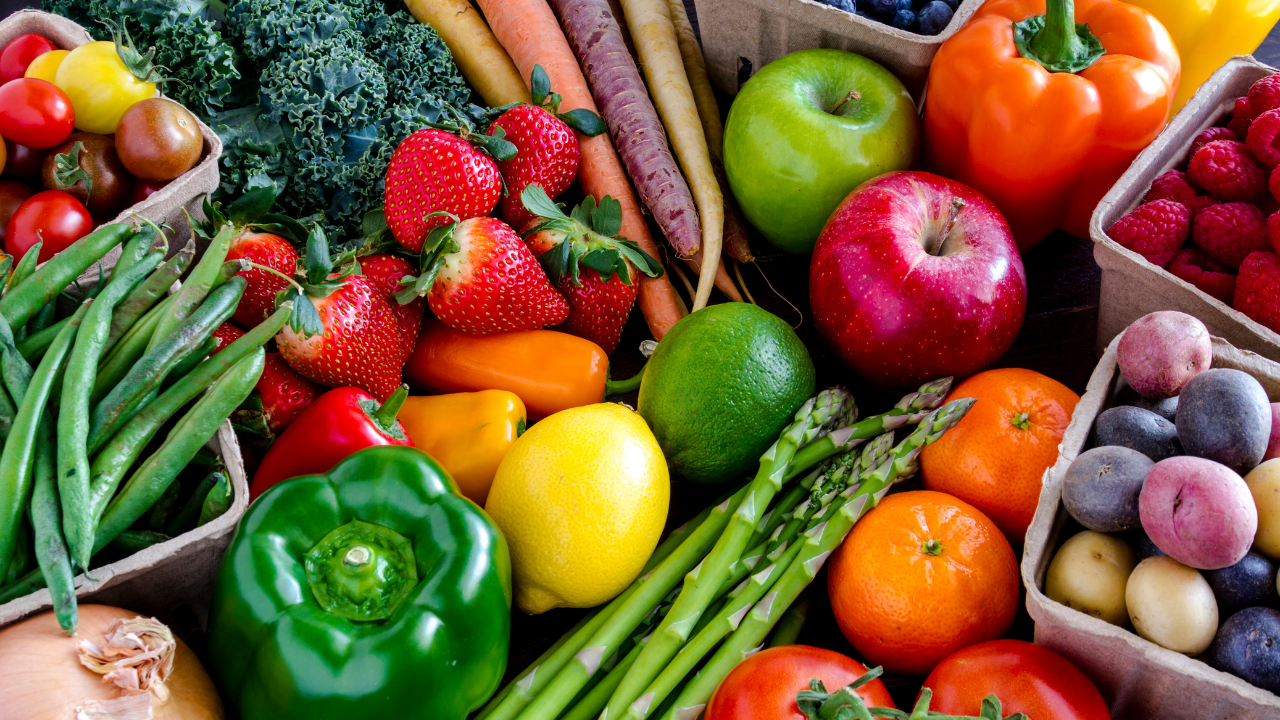
Fruits and Vegetables: The Anti-Inflammatory Foundation
Fruits and vegetables are essential for anyone with rheumatoid arthritis.
They provide:
Fiber (critical for gut health)
Antioxidants
Vitamins and minerals
Anti-inflammatory compounds
A healthy gut microbiome plays a major role in immune regulation. Fiber feeds beneficial gut bacteria, which in turn help reduce systemic inflammation.
Best Choices
Leafy greens (spinach, kale)
Cruciferous vegetables (broccoli, cauliflower)
Berries
Citrus fruits
Bell peppers
Fresh vs Frozen
Incorporating frozen fruits and vegetables into your daily meals is a practical way to support a nutrient-rich rheumatoid arthritis diet. These foods provide essential vitamins, minerals, and fiber that help reduce inflammation, support gut health, and improve overall joint function. Choosing accessible, convenient, and anti-inflammatory food options ensures you can maintain a consistent eating plan that benefits both your rheumatoid arthritis management and long-term wellness.
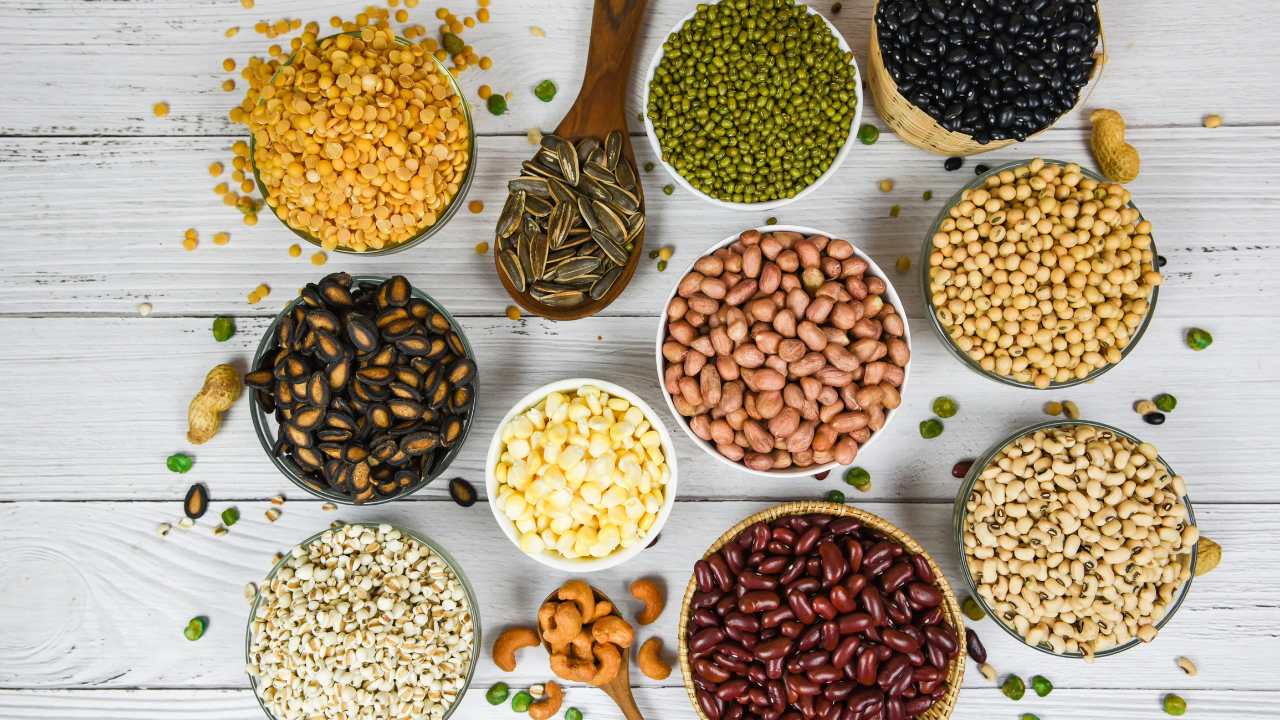
Whole Grains: Choose Fiber-Rich Options
Not all grains are equal.
Choose
Oats
Brown rice
Quinoa
Barley
Whole wheat (if tolerated)
Limit
White bread
Refined pasta
Pastries
Sugary cereals
Choosing whole grains instead of refined grains supports a rheumatoid arthritis diet by lowering inflammation and improving gut health. Foods like oats, brown rice, quinoa, and barley provide steady energy, prevent blood sugar spikes, and may reduce joint pain, stiffness, and fatigue. Their fiber, antioxidants, and nutrients also strengthen immune function and promote long term health.
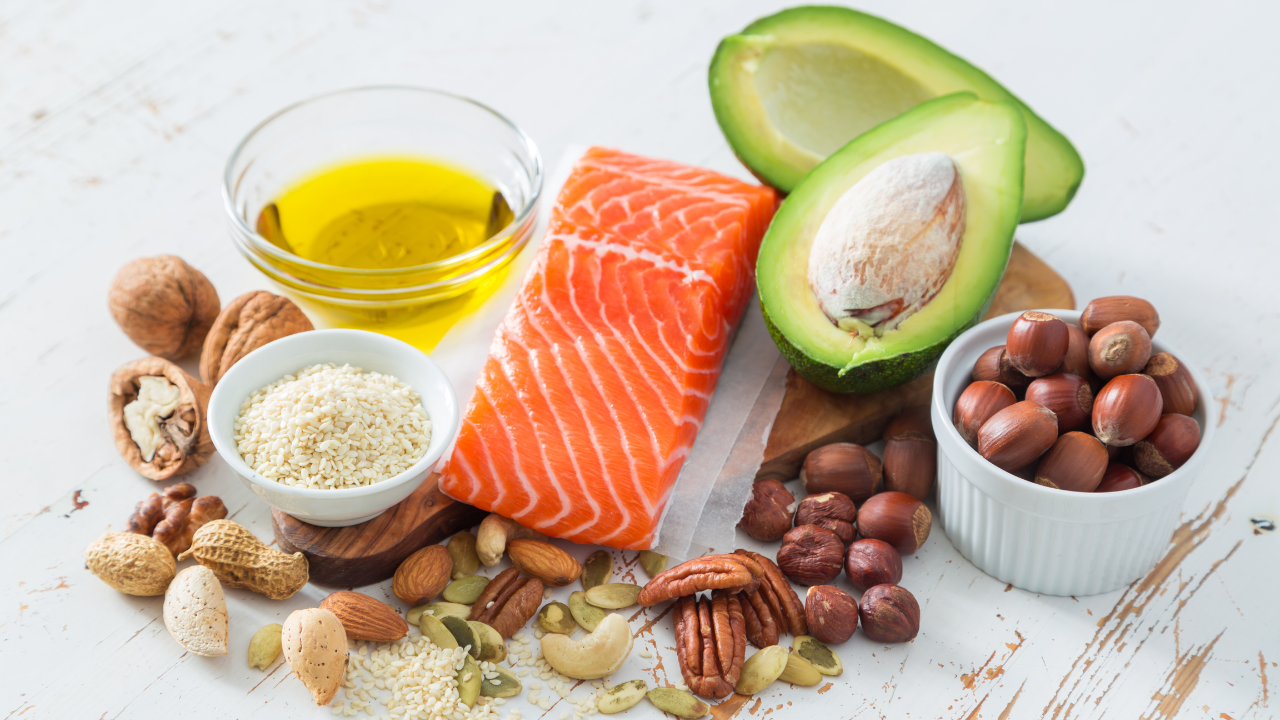
Healthy Fats: A Key Tool Against Joint Pain
Fat is not the enemy. The type of fat you choose matters. Healthy fats like omega 3s from fatty fish, olive oil, avocados, nuts, and seeds help reduce inflammation, support heart health, and ease joint pain in rheumatoid arthritis. Saturated and trans fats can increase inflammation and worsen symptoms. Adding more anti inflammatory fats to your meals can improve mobility, protect your joints, and support a sustainable rheumatoid arthritis diet for long term relief.
Anti-Inflammatory Fats
Omega-3 fatty acids
Olive oil
Avocados
Nuts and seeds
Fatty fish
Omega-3s have been shown to:
Reduce inflammatory markers
Improve joint stiffness
Support cardiovascular health (important in RA)
Fats to Limit
Saturated fats
Trans fats
Highly processed oils
Aim to keep saturated fat under 10% of daily intake.

Foods to Limit if You Have Rheumatoid Arthritis
Certain foods consistently worsen inflammation and joint pain in many people with rheumatoid arthritis, making them important to limit or avoid.
Limit or Avoid These Foods
Highly processed foods
Added sugars
Refined carbohydrates
Excess sodium
Alcohol
Alcohol, even in small amounts, may worsen inflammation and interact with RA medications.
Why General Guidelines Need Modification for RA
The biggest takeaway: general dietary guidelines are not tailored to autoimmune disease.
People with rheumatoid arthritis often benefit from:
Less red meat
More plant-based foods
Increased omega-3 intake
Mediterranean-style eating
Mediterranean Diet for Rheumatoid Arthritis
This pattern emphasizes:
Fruits and vegetables
Whole grains
Olive oil
Fish
Poultry
Legumes
Research consistently links the Mediterranean diet to lower inflammation and improved joint symptoms in RA.

Do You Need a Dietitian?
If you:
Have frequent flares
Struggle with food reactions
Feel overwhelmed by conflicting advice
Working with a dietitian who understands autoimmune diseases can make a significant difference in managing rheumatoid arthritis through diet. A specialized dietitian can help you tailor your food choices to reduce inflammation, minimize joint pain, and support your overall treatment plan. They can guide you in balancing protein, healthy fats, fruits, vegetables, and whole grains in ways that are personalized to your rheumatoid arthritis symptoms and lifestyle. Additionally, a professional can help you identify potential food triggers, monitor your nutrient intake, and create sustainable eating habits that fit your daily routine. Partnering with a dietitian ensures that your rheumatoid arthritis diet is both anti-inflammatory and nutritionally complete, helping you maintain energy, mobility, and long-term health.
FREQUENTLY ASKED QUESTIONS
-
No single diet works for everyone, but anti-inflammatory and Mediterranean-style diets show the most benefit.
-
Not necessarily, but it should be limited. Most people with RA do better replacing red meat with fish or plant protein.
-
Food can’t replace medication, but it can significantly reduce inflammatory burden and support symptom control.
-
There is no strong evidence that nightshades worsen RA for most people. Individual reactions vary.
-
Yes. Added sugars increase inflammation and may worsen joint pain and fatigue.
If you ever feel uncertain about which diet or food choices are right for your rheumatoid arthritis, do not hesitate to ask for guidance. Nutrition can feel confusing, especially when you are balancing medications, symptoms, and daily life, and you should not have to figure it out alone. Speaking directly with your rheumatologist can help you understand how specific foods may affect your inflammation, joint pain, and overall disease control. If you need more personalized support or clarity, you can also schedule an appointment through my website where we can review your symptoms, discuss your current diet, and create a practical food plan tailored specifically for your rheumatoid arthritis. Getting expert guidance ensures that your diet supports your treatment, protects your joints, and helps you feel your best every day.
