
The Truth About Methotrexate for Rheumatoid Arthritis
If you were recently diagnosed with rheumatoid arthritis and prescribed methotrexate, your first reaction might be fear or confusion. Many patients search online and immediately encounter frightening stories about side effects.
But here is the truth: methotrexate is one of the most effective and well-studied treatments for rheumatoid arthritis. When used properly and monitored carefully, it can significantly reduce inflammation, prevent joint damage, and help you maintain an active life.
In this guide, I will explain how methotrexate works, why rheumatologists prescribe it, how to minimize side effects, and what the latest updates mean for rheumatoid arthritis treatment. If you have questions about this medication, this article will help you understand what to expect and how to use it safely.

What Is Methotrexate?
Methotrexate is considered the gold standard first-line treatment for rheumatoid arthritis.
It belongs to a group of medications called disease-modifying antirheumatic drugs (DMARDs). Unlike pain medications that only mask symptoms, DMARDs target the underlying inflammation that causes joint damage in rheumatoid arthritis.
Why Rheumatologists Use Methotrexate
Methotrexate is commonly prescribed because it:
Reduces immune system overactivity
Decreases joint inflammation
Slows the progression of rheumatoid arthritis
Prevents long-term joint damage
Improves quality of life
For many patients with moderate to severe rheumatoid arthritis, methotrexate is often the first medication recommended by rheumatologists worldwide.
How Methotrexate Works in Rheumatoid Arthritis
Rheumatoid arthritis is an autoimmune disease. This means your immune system mistakenly attacks your own joints.
Inside the joint lining, immune cells multiply rapidly and release inflammatory chemicals that cause:
Joint swelling
Pain
Stiffness
Progressive joint damage
Methotrexate Modulates the Immune System
Methotrexate works by interfering with the activity of rapidly dividing immune cells that drive inflammation.
This leads to:
Reduced inflammation in the joints
Slower disease progression
Protection against irreversible joint damage
Important Clarification
Methotrexate is not a painkiller.
Instead, it targets the root cause of rheumatoid arthritis: chronic inflammation.
That is why it is considered a core therapy for rheumatoid arthritis treatment.
Methotrexate Dosing for Rheumatoid Arthritis
One of the most important things to understand is that methotrexate for rheumatoid arthritis is taken weekly, not daily.
Taking it incorrectly can increase the risk of side effects.
Typical Starting Dose
Most rheumatologists begin with:
10–15 mg once weekly
Depending on how your disease responds, the dose may gradually increase to:
Up to 25 mg weekly
Your doctor will adjust the dose based on:
Disease severity
Lab monitoring
Side effects
Other medical conditions
Oral vs Injectable Methotrexate
Methotrexate can be taken in two different forms.
Oral Methotrexate (Pill)
This is the most common starting option.
Advantages
Easy to take
Convenient
No injections required
Limitation
Absorption can vary. Not all the medication taken by mouth reaches the bloodstream effectively.
Injectable Methotrexate
This form is given as a subcutaneous injection under the skin.
Benefits of Injectable Methotrexate
Better absorption
More consistent dosing
Often fewer gastrointestinal side effects
Many patients who experience nausea on the pill form improve when switching to injectable methotrexate.
Types of Injections
Options include:
Pre-filled syringes
Auto-injector pens
Your rheumatologist can help determine which method is best for you.
Key Benefits of Methotrexate
Methotrexate remains the foundation of modern rheumatoid arthritis treatment for several reasons.
1. Prevents Joint Damage
Uncontrolled rheumatoid arthritis can cause permanent joint destruction.
Methotrexate slows this process and protects the joint structure.
2. Reduces Inflammation
By calming the immune system, methotrexate reduces:
Swelling
Morning stiffness
Pain related to inflammation
3. Improves Long-Term Function
Patients treated early with methotrexate are more likely to:
Maintain mobility
Avoid joint deformities
Stay physically active
4. Works Well with Other Treatments
Methotrexate can be combined with:
Other DMARDs
Biologic medications
Targeted therapies
This flexibility makes it a cornerstone therapy in rheumatoid arthritis management.
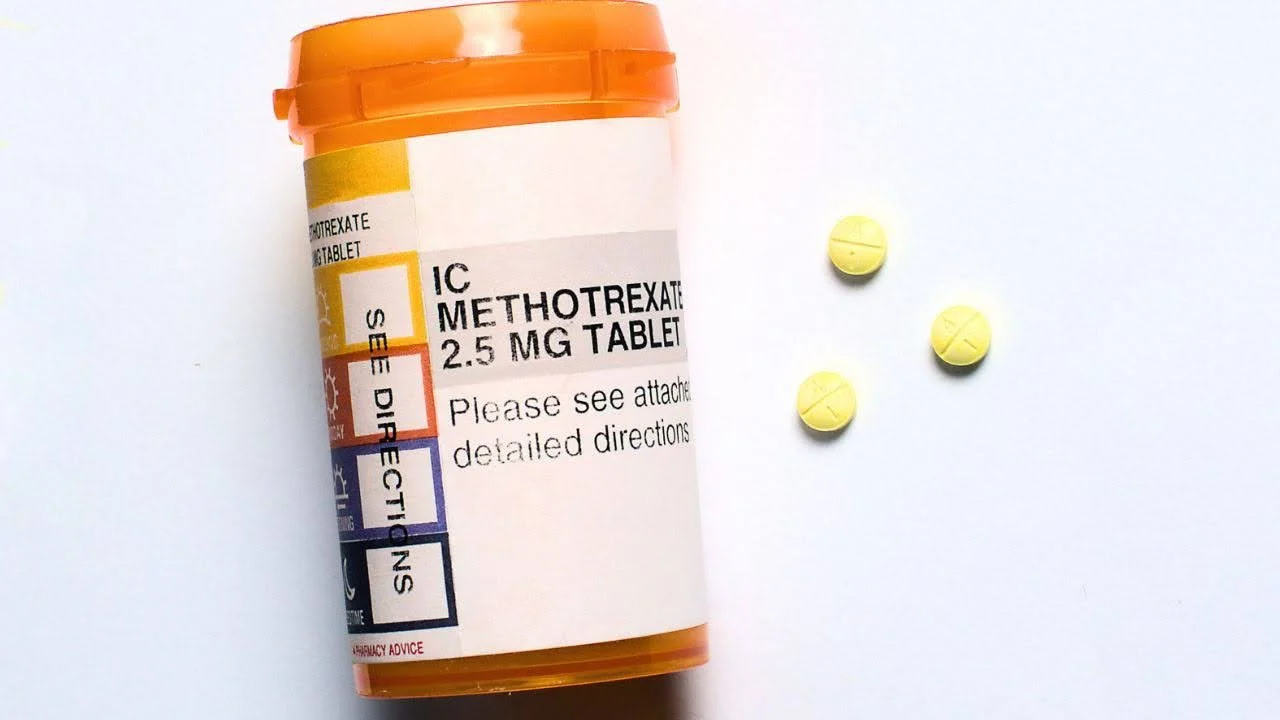
Common Methotrexate Side Effects
Side effects are one of the biggest concerns patients have about methotrexate.
Fortunately, many of them are manageable or preventable.
Most Common Side Effects
Nausea
Fatigue
Mouth sores
Mild hair thinning
These symptoms are usually mild and improve with adjustments.
How to Reduce Side Effects
Take Methotrexate in the evening.
Taking your weekly dose at night allows many side effects to occur during sleep.
Take the Medication With Food
This may reduce stomach upset.
Use Folic Acid Supplementation
Most patients taking methotrexate should take folic acid.
Folic acid helps reduce:
Mouth sores
Nausea
Hair thinning
Your doctor will typically prescribe folic acid alongside methotrexate.
Methotrexate Monitoring and Safety
Methotrexate is safe when monitored properly.
Regular lab testing allows doctors to detect potential issues early.
Recommended Monitoring
Blood tests usually check:
Liver function
Blood cell counts
Kidney function
Your rheumatologist will determine how frequently these tests are needed.
Alcohol and Methotrexate
Alcohol should generally be avoided or minimized while taking methotrexate.
Both alcohol and methotrexate are processed by the liver, which increases the risk of liver stress.
Pregnancy Warning
Methotrexate must not be used during pregnancy.
Patients taking methotrexate should use reliable contraception and discuss family planning with their doctor.
How Long Does Methotrexate Take to Work
Methotrexate does not work immediately.
Most patients begin noticing improvement after:
6 to 12 weeks
Because the effect builds gradually, doctors sometimes combine methotrexate with other medications early in treatment.
Patience is important. The goal is long-term disease control, not immediate symptom relief.
Lifestyle Strategies That Improve Methotrexate Results
Medication alone is not enough to manage rheumatoid arthritis.
The most effective approach combines medication with healthy lifestyle habits.
Helpful strategies include:
Anti-inflammatory nutrition
Regular low-impact exercise
Strength training
Quality sleep
Stress management
Together, these support better disease control and overall health.
Frequently Asked Questions
-
Methotrexate was originally used in high doses for cancer treatment. However, rheumatoid arthritis uses much lower doses, making it safe and effective for long-term use under medical supervision.
-
Not all patients, but many do. It is usually the first-line medication for moderate to severe rheumatoid arthritis.
-
No medication currently cures rheumatoid arthritis. However, methotrexate can control inflammation and prevent joint damage.
-
If methotrexate alone is not enough, rheumatologists may add:
Biologic medications
Targeted therapies
Additional DMARDs
-
Injectable methotrexate often provides better absorption and fewer stomach side effects, but the best option depends on each patient.
When used correctly, methotrexate can be life-changing for patients with rheumatoid arthritis. However, every person with rheumatoid arthritis is different, which is why ongoing communication with your rheumatologist is essential. If you have concerns about methotrexate, rheumatoid arthritis treatment options, or persistent symptoms like joint pain, stiffness, and fatigue, do not hesitate to talk openly with your doctor. Your rheumatologist can help adjust your medication, monitor for side effects, and make sure your treatment plan is truly working for you.
If you are in North Carolina and looking for a rheumatologist who will take the time to explain your condition clearly, you are welcome to schedule an appointment through www.empoweredarthritis.com. My goal is to provide a comprehensive evaluation and a personalized rheumatoid arthritis care plan tailored specifically to your symptoms, lifestyle, and long-term health goals. Getting clear answers early can make a major difference in protecting your joints and improving your quality of life.
If you are outside North Carolina or outside the United States but still want guidance, you can also schedule a one-on-one coaching session with me. During these sessions, I help patients better understand their rheumatoid arthritis diagnosis, clarify medication questions such as methotrexate, and develop a practical plan so they can feel more confident about their next steps. I also offer free resources to support you on your journey, including:
📘 Grab a copy of The Holistic Rheumatoid Arthritis Guide for step-by-step support
🥤 Download my FREE Rheumatoid Arthritis pain relief smoothie recipe
