
Methotrexate and Rheumatoid Arthritis Treatment Guide
Rheumatoid arthritis (RA) is more than joint pain; it's a chronic autoimmune condition that can cause swelling, stiffness, and joint damage if left unmanaged. One of the most common treatments your rheumatologist might recommend is methotrexate.
Methotrexate is widely regarded as the gold standard for RA management because it not only reduces pain and inflammation but also slows disease progression. If you’ve been recently diagnosed and are considering methotrexate, it’s important to understand how it works, its side effects, and how to use it safely.
In this guide, we’ll cover everything you need to know to make informed decisions about your RA treatment.
What Is Methotrexate?
Methotrexate is a disease-modifying anti-rheumatic drug (DMARD) widely used in managing rheumatoid arthritis. Unlike pain medications that only mask symptoms, methotrexate targets the underlying disease process. It not only reduces inflammation but also slows the progression of joint damage, which is critical for long-term mobility in people with RA. Methotrexate can improve physical function, helping patients perform daily activities with less pain. When used as part of a comprehensive RA management plan, it works synergistically with lifestyle strategies like diet and exercise. Research has shown that early initiation of methotrexate in rheumatoid arthritis leads to better outcomes and a lower risk of permanent joint deformities.
Here’s how it works:
RA occurs when the immune system becomes hyperactive and attacks the joints.
Methotrexate calms the immune system, reducing inflammation and preventing further joint damage.
By lowering the number of overactive immune cells in the joints, methotrexate helps relieve swelling, pain, and stiffness.
Think of methotrexate as the "engine control" for your immune system—it helps prevent your body from overreacting and damaging your joints.
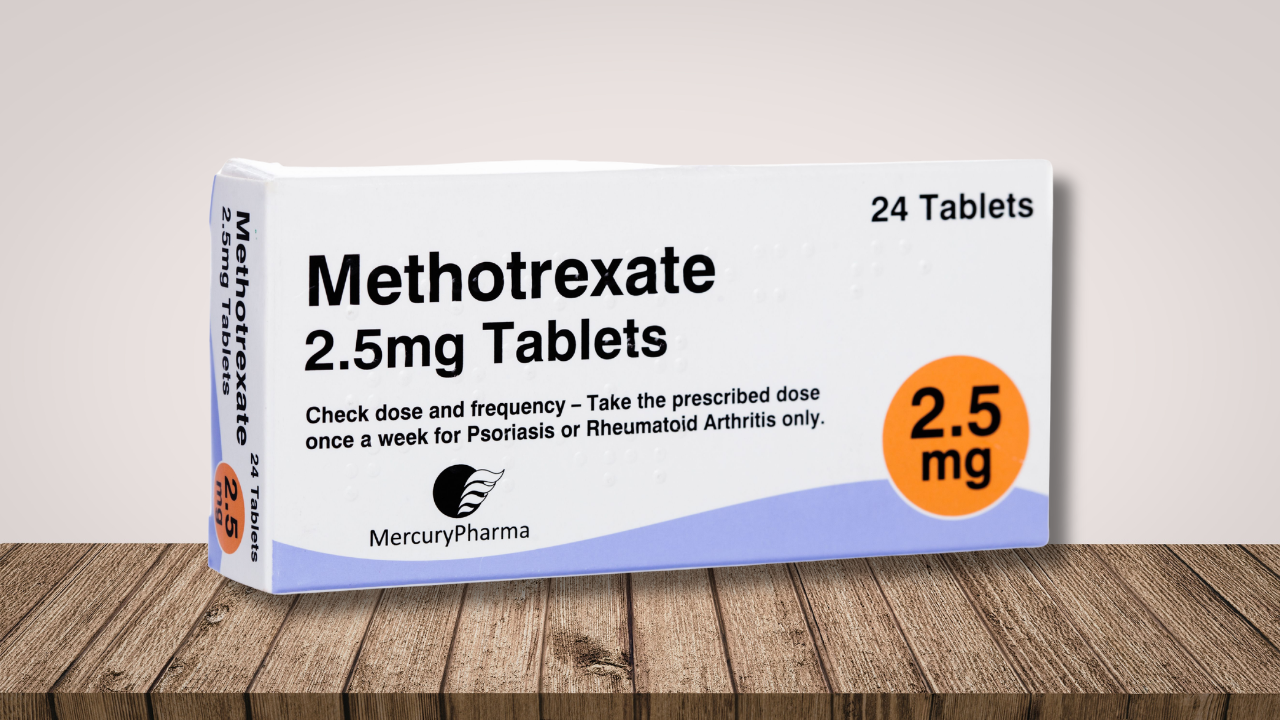
Why Methotrexate Is Considered the Gold Standard
Methotrexate is often the first-line treatment for RA because:
It effectively controls inflammation.
It reduces joint pain and swelling.
It slows down long-term joint damage, protecting your mobility.
It has a well-established safety record when monitored properly.
Most rheumatologists start patients on methotrexate because it works reliably for the majority of RA cases. Methotrexate remains the cornerstone of RA management due to its proven ability to improve long-term joint health and overall quality of life. It is highly effective when combined with other lifestyle strategies, such as diet and exercise, in comprehensive RA care. Early and consistent use of methotrexate can prevent permanent joint deformities and maintain daily function for people living with rheumatoid arthritis.
How Methotrexate Is Taken
Methotrexate can be administered as:
Oral tablets
Subcutaneous injections
Typical dosing:
Starting dose: 7.5–15 mg once weekly
Maximum dose: Up to 25 mg weekly, depending on disease severity
Taken with or without food (taking it with meals or at bedtime can reduce nausea)
Important: Methotrexate is a weekly medication, not daily.
Monitoring and Side Effects
Methotrexate is safe when used correctly, but monitoring is essential. Regular blood tests check:
Liver function
Kidney function
Blood counts
Common side effects include:
Nausea
Mouth sores
Mild liver enzyme changes
Low blood counts
Tips to minimize side effects:
Stay well-hydrated
Avoid alcohol
Take methotrexate at night
Use folic acid supplements (reduces side effects and protects the liver)
Long-term risks:
Liver damage (rare with monitoring and no alcohol)
Lung inflammation (rare)
Bone marrow suppression (rare)
Regular monitoring allows your doctor to catch complications early and keep you safe.
Methotrexate Frequently Asked Questions
-
It reduces inflammation, relieves pain, and slows joint damage, especially in moderate to severe RA.
-
Some people feel relief in 3–6 weeks, but full benefits can take up to 12 weeks. Patience is key.
-
Weekly dosing, regular blood tests, and avoiding alcohol. Daily routines remain mostly unchanged.
-
Yes, with proper monitoring. Methotrexate is often continued indefinitely if effective and well-tolerated.
-
While originally used for cancer, RA doses are much lower. It effectively calms the immune system rather than attacking rapidly dividing cancer cells.

Integrating Methotrexate Into RA Management
Methotrexate is a cornerstone of managing rheumatoid arthritis, but optimal RA care is comprehensive. Key strategies include:
Nutrition: Anti-inflammatory diet, omega-3 fatty acids, and avoiding processed foods. Proper nutrition supports methotrexate effectiveness and reduces inflammation in rheumatoid arthritis.
Exercise: Low-impact workouts like swimming, yoga, or walking. Regular exercise helps maintain joint function and complements RA management with methotrexate.
Sleep: Prioritize rest to reduce inflammation and pain. Adequate sleep enhances the body’s response to methotrexate and overall RA symptom control.
Stress management: Meditation, mindfulness, or therapy. Reducing stress can improve immune system balance and support RA treatment outcomes.
Checkpoints: Regular lab work and rheumatologist visits. Consistent monitoring ensures methotrexate safety and long-term joint protection.
Avoidance: Limit alcohol and smoking. Avoiding these substances decreases the risk of methotrexate side effects and liver complications.
Relationships: Support from family, friends, and patient communities. Strong support networks improve adherence to RA management plans and methotrexate therapy.
Combining methotrexate with lifestyle strategies maximizes results, reduces inflammation, and protects joints for the long term in rheumatoid arthritis.
While there’s no cure for rheumatoid arthritis, methotrexate remains the gold standard in RA management, helping reduce inflammation, relieve pain, and prevent long-term joint damage. Combining this medication with lifestyle strategies empowers you to take control of your health and maintain mobility. If you have questions about your symptoms, dosing, or how methotrexate fits into your RA treatment plan, it’s important to talk to your rheumatologist. Personalized guidance ensures your medication is used safely and effectively while supporting your long-term joint health.
If you are in North Carolina and looking for a rheumatologist who can provide clear answers and a tailored treatment approach, you can book an appointment at Empowered Arthritis for a comprehensive evaluation and a personalized care plan designed just for you. Your rheumatologist can review your lab results, assess your RA activity, and work with you to create a strategy that minimizes joint damage while optimizing your daily function.
For those outside North Carolina or even outside the United States, I offer one-on-one coaching sessions where we can discuss your RA concerns, clarify your treatment options, and develop a step-by-step plan so you can feel more confident about your next steps. Plus, I have several free resources to support you:
📘 Grab a copy of The Holistic Rheumatoid Arthritis Guide for a practical, step-by-step approach, and
🥤 Download my free RA pain relief smoothie recipe to help manage inflammation and support joint health naturally.
Remember, managing rheumatoid arthritis is a journey, and early, consistent treatment with methotrexate combined with lifestyle strategies can protect your joints and preserve your quality of life. Take control today, empower yourself with knowledge, utilize your resources, and partner with your healthcare team to live your best life with RA.
