
The REAL Meaning Behind Your ANA Positive Blood Test
If you’ve recently had a blood test that came back ANA positive, you might be feeling anxious or confused. Many people immediately worry about autoimmune conditions like rheumatoid arthritis or lupus. But here’s an important truth: a positive ANA test does not automatically mean you have a disease. Understanding what this result really means is key to making sense of your health and taking control of your care.
In this guide, we’ll break down the ANA test, explain why it can be positive, its relationship to rheumatoid arthritis, and what steps you should take next. By the end, you’ll feel informed, empowered, and ready to discuss your results with your doctor.
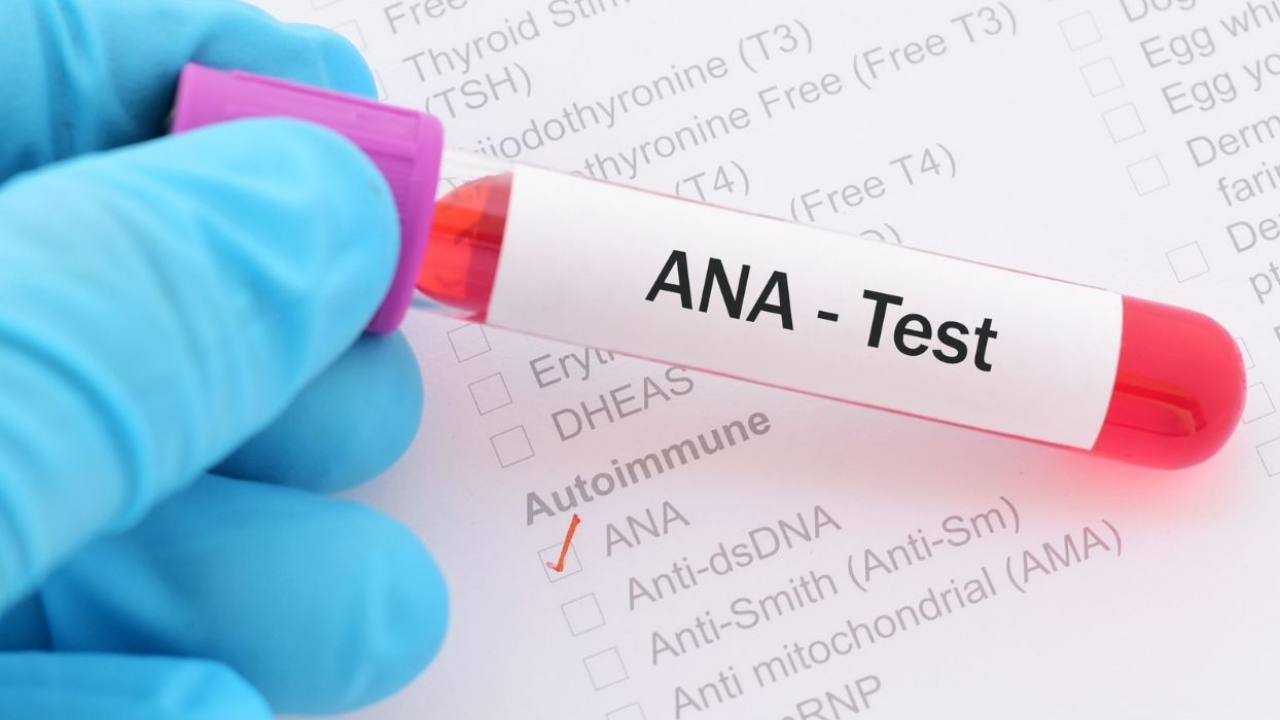
What is an ANA test?
ANA stands for Antinuclear Antibodies.
These are antibodies your immune system makes.
Normally, antibodies:
Fight infections
Kill bacteria and viruses
Protect your body
But sometimes, the immune system gets confused and creates antibodies that target your own cells, specifically the nucleus (the control center of the cell).
The ANA blood test checks for these antibodies.
Doctors often order this test when someone has symptoms that might suggest an autoimmune condition.

Why Do Doctors Order an ANA Blood Test?
Your doctor may check ANA if you have:
Unexplained joint pain or swelling
Persistent fatigue
Long-lasting fevers
Rashes
Dry eyes or mouth
Muscle weakness
Signs of rheumatoid arthritis or lupus
It’s meant to be a screening test, not a final answer.
Think of it like a smoke alarm.
Sometimes it detects a real fire.
Sometimes it just goes off because of burnt toast.
What Does a Positive ANA Blood Test REALLY Mean?
Here’s the key message:
👉 Positive does not equal disease.
There are several reasons ANA can be positive.
Common causes of a positive ANA
1. Autoimmune diseases
These include:
Lupus
Sjögren’s syndrome
Autoimmune thyroid disease
Inflammatory muscle diseases
Rheumatoid arthritis
2. Infections
Temporary positives can happen with:
Viral infections
Hepatitis
Even the common cold
3. Medications
Certain drugs can trigger ANA:
Some blood pressure medications
Certain antibiotics
Drug-induced lupus (rare)
4. Thyroid disorders
Autoimmune thyroid conditions like Hashimoto’s can cause a positive test without lupus or rheumatoid arthritis.
5. Cancer (rare)
Sometimes the immune system reacts to tumors, creating antibodies.
6. Completely healthy people
This surprises most patients:
Up to 15% of healthy adults have positive ANA
Rates increase with age
Many never develop any disease
So yes, you can be perfectly fine and still test positive.

Is ANA Used to Diagnose Rheumatoid Arthritis?
No. ANA is NOT the main blood test for rheumatoid arthritis.
For RA, doctors rely more on:
Rheumatoid Factor (RF)
Anti-CCP antibodies
Joint exam
Imaging (ultrasound or X-ray)
Symptoms over time
ANA can sometimes be positive in rheumatoid arthritis, but it’s not specific enough to make the diagnosis.
How Often is ANA Positive in Rheumatoid Arthritis?
Studies show:
15% to 70% of RA patients may have positive ANA
That’s a wide range, which tells us: It’s not reliable enough to use alone.
ANA Patterns and Why They Matter
Some labs also report a pattern, such as:
Speckled
Homogeneous
Nucleolar
For example:
Nucleolar pattern may be associated with lung complications in some RA patients
But again, patterns only provide additional clues, not diagnoses.

False Positives: Why They Happen So Often
ANA is Sensitive, Not Specific
This is critical.
Sensitive = catches many cases
Not specific = catches many false alarms
So the test:
✔️ rarely misses disease
❌ often flags healthy people
Which means:
Many positives don’t mean anything serious
Other Reasons Results Vary
ANA testing depends on:
Different lab methods
Different cutoff levels
Different technologies
Two labs might even give different results for the same person.
That’s why context matters more than the number.

How Doctors Interpret Your ANA Result
A good rheumatologist never looks at ANA alone.
We consider:
Your symptoms
Physical exam
Other blood tests
Medication list
Family history
Imaging results
Because:
👉 Blood tests don’t diagnose diseases. People do.
When Should You Actually Worry?
Talk to your doctor if you have BOTH:
Positive ANA + symptoms like:
Persistent joint swelling
Morning stiffness > 30 minutes
Severe fatigue
Rashes
Mouth sores
Hair loss
Chest pain with breathing
Muscle weakness
If you feel completely well and your ANA was found incidentally?
Often it means nothing.
Practical Steps If Your ANA is Positive
Instead of panicking, do this:
✔ Step 1: Review symptoms with your doctor
✔ Step 2: Check medications
✔ Step 3: Ask if further testing is needed
✔ Step 4: Focus on lifestyle habits
✔ Step 5: See a rheumatologist if unsure
Stress itself can worsen inflammation and even trigger rheumatoid arthritis flares.
Protect your peace.
ANA Test Insights
ANA positivity doesn’t always mean disease – it can be temporary, medication-induced, or even present in healthy individuals.
ANA is part of RA evaluation, but not the main test for diagnosis.
Symptoms and medical history are crucial – your doctor will use them alongside lab tests to determine the true cause.
Stress management is essential – avoid letting fear amplify RA flares.
FAQs About ANA Blood Test
-
No. ANA positivity is common and can occur in healthy people or due to medications, infections, or other autoimmune conditions.
-
Yes. Certain blood pressure medications and antibiotics can trigger positive ANA. Rarely, this may lead to drug-induced lupus.
-
Between 15%–70% of RA patients may test ANA positive. It is not the primary diagnostic tool for RA.
-
Stress itself doesn’t change ANA results, but stress can worsen RA symptoms if you’re already diagnosed.
-
Sometimes yes, especially if you have no symptoms or if an infection or medication may have influenced the result. Your doctor can advise.
If you’re unsure about your ANA results or your symptoms, it’s critical to talk to your rheumatologist. They can help interpret your blood tests in the context of your overall health and create a personalized care plan.
If you’re in North Carolina and want clear answers about your symptoms, you can book an appointment at Empowered Arthritis & Rheumatology for a comprehensive evaluation and a personalized care plan tailored to you.
If you’re outside North Carolina or the United States, you can schedule a one-on-one coaching session with me. I’ll provide clarity, answer your questions, and help you create a plan so you can feel confident about your next steps.
I also have free resources to support you along the way:
📘 Grab a copy of The Holistic Rheumatoid Arthritis Guide for step-by-step guidance and actionable tips.
🥤 Download my FREE Rheumatoid Arthritis Pain Relief Smoothie Recipe to help reduce inflammation naturally.
Remember, a positive ANA test is just one piece of the puzzle. With the right guidance and resources, you can understand your results, take control of your health, and reduce stress while managing rheumatoid arthritis effectively.
