
If you’ve been waking up with stiff hands or noticing difficulty gripping objects, you might be wondering, is this rheumatoid arthritis or osteoarthritis? Both conditions affect your joints, but understanding the differences is crucial for proper care and treatment. In this guide, we’ll break down the key differences between rheumatoid arthritis and osteoarthritis, how to recognize them in your hands, and steps you can take to manage symptoms effectively.

What Rheumatoid Arthritis and Osteoarthritis Have in Common
At first glance, rheumatoid arthritis (RA) and osteoarthritis (OA) might seem similar. Both can cause:
Joint pain
Morning stiffness
Muscle weakness due to pain
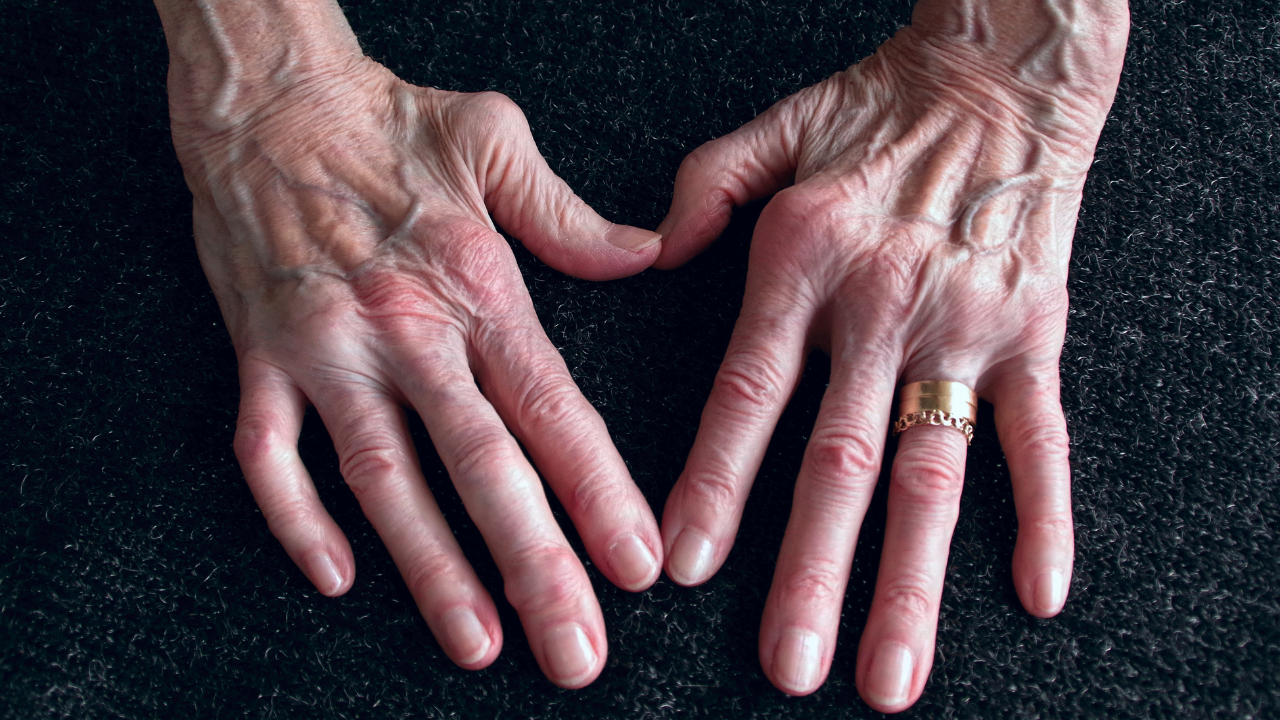
However, beyond the shared symptoms of joint pain and stiffness, rheumatoid arthritis and osteoarthritis are fundamentally different conditions that require distinct approaches to diagnosis and management. Rheumatoid arthritis is an autoimmune inflammatory disease, meaning the body’s immune system mistakenly attacks healthy joint tissues, often leading to soft swelling, prolonged morning stiffness, hand pain, and sometimes fatigue or fever. In contrast, osteoarthritis is a degenerative, wear-and-tear condition that gradually affects cartilage and bones, commonly causing bony swelling, stiffness with activity, and pain in the DIP, PIP, or thumb base joints.
Recognizing the pattern and location of hand pain is essential. RA typically targets the wrist and MCP joints, while OA usually affects the top and middle finger joints or the base of the thumb. Understanding these differences allows you to seek timely care,talk to your rheumatologist, and implement targeted strategies, including medications, physical therapy, or lifestyle adjustments. Early identification can reduce pain, preserve hand function, and prevent long-term joint damage, ensuring a better quality of life for people with arthritis.
What is Rheumatoid Arthritis?
Rheumatoid arthritis is an autoimmune condition, meaning your immune system mistakenly attacks your joints and other tissues. Unlike osteoarthritis, RA is systemic, affecting not just the joints but the entire body. This inflammation can lead to:
Fever and fatigue
Skin rashes
Rare involvement of organs like the lungs
The hallmark of RA is persistent inflammation, which requires early detection and treatment to prevent joint damage.
How to Recognize Rheumatoid Arthritis in Your Hands
RA typically affects small joints in your hands:
Wrist joints
Metacarpophalangeal (MCP) joints – the knuckles at the base of your fingers
Occasionally, proximal interphalangeal (PIP) joints – the middle finger joints
Key signs of rheumatoid arthritis:
Soft joint swelling – inflammation may feel tender or spongy.
Morning stiffness lasting more than 30 minutes – often improves as the day progresses.
Difficulty making a fist – grip strength may decrease.
Joint deformities in severe cases – such as ulnar deviation, where fingers drift sideways.
Example: If you notice your knuckles are swollen, soft to touch, and painful in the morning, RA could be the cause rather than OA.

What is Osteoarthritis?
Osteoarthritis is a degenerative, wear-and-tear condition affecting cartilage and joint structures. Unlike RA, OA is not caused by your immune system; it is mechanical:
Cartilage gradually wears down
Bones can rub together, causing pain and stiffness
OA is more localized and primarily affects joints used repetitively or with high stress.
How to Recognize Osteoarthritis in Your Hands
OA tends to affect different areas of the hand compared to RA:
Distal interphalangeal (DIP) joints – top joints of your fingers
Proximal interphalangeal (PIP) joints – middle finger joints
Carpometacarpal (CMC) joint – base of the thumb (common in texting or phone use)
Key signs of osteoarthritis:
Bony swelling or nodules – joints may feel hard and knobby
Pain worsens with activity – less stiffness in the morning than RA
Limited joint mobility – especially when gripping or twisting
Example: If your top finger joints or thumb base feel bony and stiff after activity, OA is likely the cause.

Quick Hand Comparison

Diagnosis and Testing
Rheumatoid Arthritis
RA is diagnosed through:
Clinical examination – joint swelling, tenderness
Blood tests – rheumatoid factor (RF), anti-CCP antibodies
Imaging – X-rays, ultrasound, or MRI to detect early joint damage
Tip: Early diagnosis is critical to prevent deformities.
Osteoarthritis
OA diagnosis focuses on:
Clinical exam – bony swelling, crepitus (joint cracking)
Family history – often runs in families
Imaging – X-rays can show cartilage loss or bone spurs
Important: Blood tests are usually not necessary for OA.

Managing Joint Pain in RA and OA
Rheumatoid Arthritis Management
RA treatment focuses on reducing inflammation and preventing joint damage:
Disease-modifying anti-rheumatic drugs (DMARDs) – slow disease progression
Biologics – target immune system activity
Physical therapy – maintain mobility and strength
Lifestyle support – nutrition, sleep, stress management
Osteoarthritis Management
OA treatment primarily addresses pain and function:
Topical treatments – creams and gels for local relief
Oral medications – acetaminophen or NSAIDs (with doctor supervision)
Joint injections – steroid shots for temporary relief
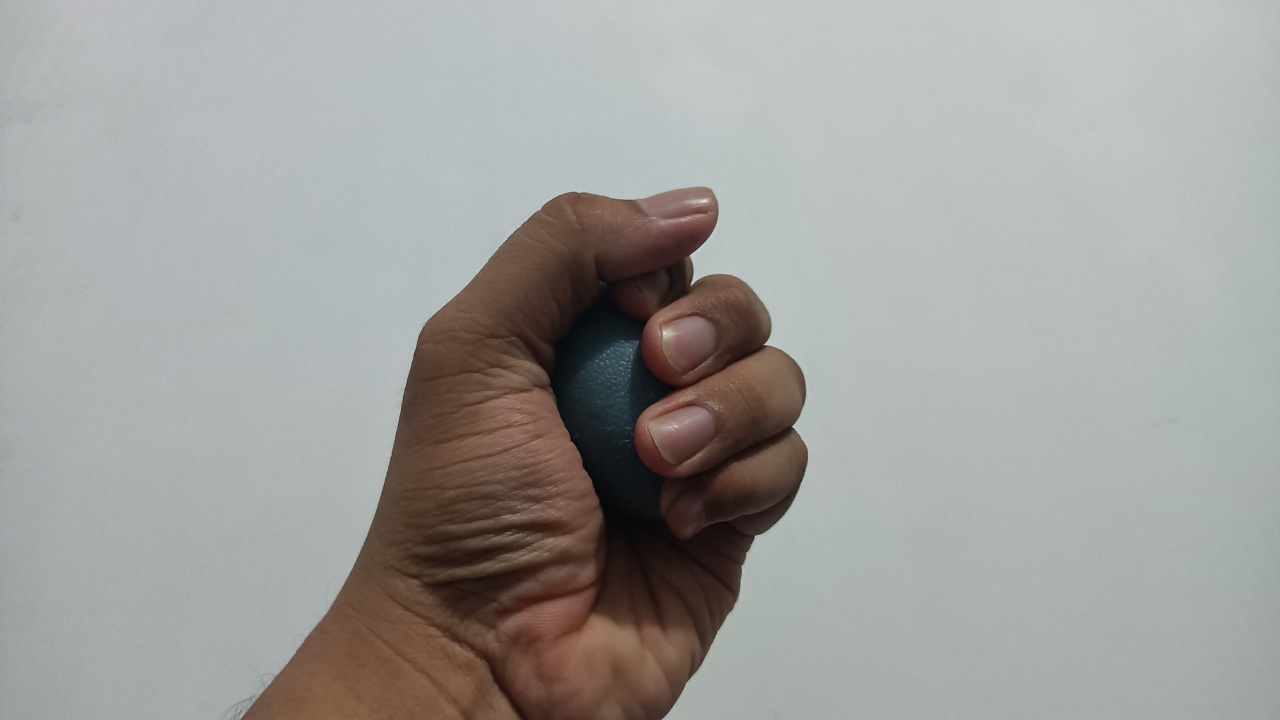
Physical therapy – strengthens hand muscles, supports joint function
Tip: Exercise helps prevent muscle atrophy and supports joint health. Unlike RA, OA changes are generally permanent, so symptom management is key.
Lifestyle Strategies for Both Conditions
Whether you have RA or OA, certain lifestyle approaches improve joint health and reduce pain:
Nutrition – anti-inflammatory diet, rich in omega-3s
Exercise – gentle strength training, mobility exercises
Sleep – adequate rest improves healing and pain tolerance
Stress management – stress can worsen inflammation and pain
Regular doctor checkups – monitor disease progression
Avoid risky habits – smoking and excessive alcohol
Positive relationships – emotional support enhances coping
These strategies align with the NASCAR system, a holistic approach proven to improve quality of life for arthritis patients.
Frequently Asked Questions
-
Yes, some patients can have both. RA involves inflammation, while OA involves wear and tear.
-
Not always. Other causes include tendonitis, nerve issues, or injury. Proper evaluation is necessary.
-
No. OA is degenerative; RA is autoimmune. They are distinct conditions.
-
RA: often >30 minutes. OA: usually <30 minutes.
-
Yes. Anti-inflammatory diets, exercise, stress management, and hand-strengthening exercises can help reduce pain.
Differentiating rheumatoid arthritis from osteoarthritis can be challenging, but understanding the patterns of hand pain, joint swelling, and systemic symptoms is essential. Early detection is especially important for rheumatoid arthritis, as timely treatment can prevent permanent joint damage, improve mobility, and reduce long-term complications.
If you’re experiencing persistent joint stiffness, swelling, or difficulty gripping objects, and you’re unsure whether it’s RA or OA, it’s important to talk to your rheumatologist. Getting a professional evaluation can clarify your diagnosis, guide your treatment options, and help you take control of your joint health.
You can also book an appointment through my website if you have questions or need clarity about your symptoms. During the appointment, we can review your hand pain patterns, discuss potential tests, and create a plan to reduce inflammation, manage pain, and strengthen your joints.
In addition, be sure to watch my full YouTube video, where I explain hand mapping techniques that clearly show the differences between rheumatoid arthritis and osteoarthritis. In the video, I also share practical strategies to:
Reduce inflammation naturally
Improve hand strength and grip
Protect your joints from further wear and tear
Don’t let uncertainty delay your care; early steps can make a significant difference in your quality of life.
