
Methotrexate and Your Liver: 5 Steps to Protect Yourself
Methotrexate and liver health are two of the most common concerns for people living with rheumatoid arthritis. If you are taking methotrexate, seeing a lab report with elevated liver markers can feel alarming and confusing. Many patients immediately assume liver damage, but that is not always the case.
In reality, methotrexate and liver enzyme changes are often temporary and manageable. Mild liver marker elevation does not automatically mean liver damage or long-term injury. In this guide, you will understand what is really happening in your body, who is at risk, and most importantly, 5 practical steps you can take to reduce side effects and protect your liver while continuing treatment safely.
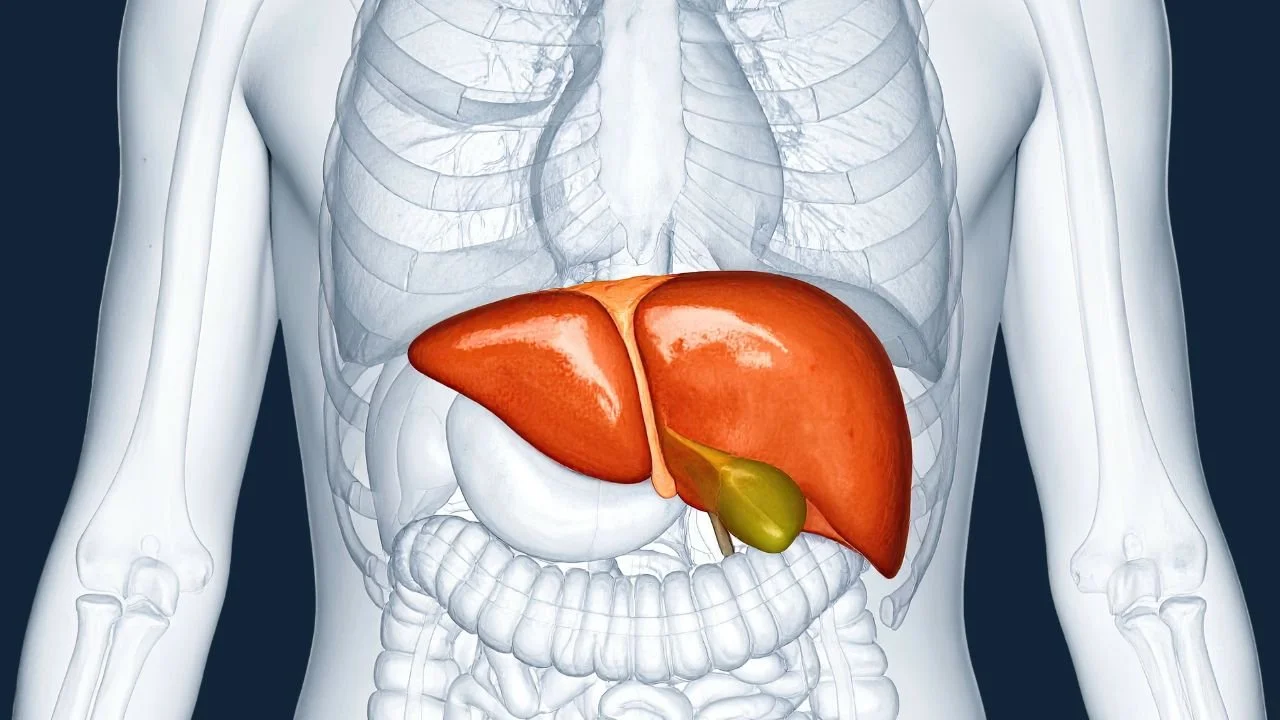
Understanding Methotrexate and Liver Health
Methotrexate is one of the most widely used medications for rheumatoid arthritis because it helps control inflammation and prevent joint damage. However, like many medications processed in the body, it passes through the liver.
The liver acts like a natural filtration system. It processes medications, nutrients, and toxins. Since methotrexate is metabolized through this system, it can sometimes increase liver enzymes in blood tests such as AST and ALT.
Key point to understand
A rise in liver markers is not the same as liver damage. It is often a signal that your liver is working harder, not failing.
How Common Are Liver Marker Changes?
Research shows that:
Up to 15 percent of patients on methotrexate may develop mild liver enzyme elevation
Most of these changes are temporary
Less than 1 percent develop serious long-term liver disease when monitored properly
This means the majority of patients do not experience permanent liver damage when methotrexate is used appropriately and monitored regularly.
Types of Liver Effects from Methotrexate
1. Short-term liver enzyme elevation
This is the most common effect. It may happen during routine blood tests and often has no symptoms. Causes may include:
Medication interactions
Recent illness
Alcohol intake
Other metabolic stress on the liver
In many cases, liver markers return to normal after dose adjustment or removal of the trigger.
2. Long-term liver effects
Long-term issues are rare and usually occur after prolonged use with additional risk factors. These may include:
Fatty liver changes
Liver fibrosis
Rare cases of cirrhosis
These complications are strongly linked to other conditions rather than methotrexate alone.
Who Is at Higher Risk for Liver Problems?
Understanding risk factors is essential for safe treatment.
Alcohol use
Alcohol and methotrexate are both processed by the liver. Combined use increases stress on liver cells.
Diabetes
Diabetes increases the risk of non alcoholic fatty liver disease, which can make the liver more sensitive.
Obesity
Excess weight is linked to fatty liver changes, increasing baseline liver risk.
Pre-existing liver disease
Conditions such as hepatitis or liver scarring require careful evaluation before starting methotrexate.
High cholesterol and metabolic syndrome
These conditions can contribute to fatty liver and inflammation.
Medication interactions
Some medications can affect liver function when combined with methotrexate.
5 Steps to Reduce Side Effects and Protect Your Liver
Now, let us focus on practical strategies that can reduce risk and support liver health while continuing methotrexate safely.
Step 1: Take folic acid consistently
Folic acid is one of the most important protective strategies.
Research shows that folic acid supplementation can:
Reduce methotrexate related side effects
Lower the chance of stopping treatment due to liver issues
Improve medication tolerance
Taking folic acid daily or as prescribed helps support healthy cell function and reduces stress on the liver.
Step 2: Limit or avoid alcohol
Alcohol significantly increases liver workload.
Best practice:
Avoid alcohol completely if possible
If not, keep intake minimal and infrequent
Always discuss safe limits with your rheumatologist
Even small amounts can affect liver enzyme levels in sensitive individuals.
Step 3: Improve metabolic health
Metabolic health plays a major role in liver protection.
Focus on:
Blood sugar control if you have diabetes
Healthy weight management
Lowering cholesterol levels
Improving these factors reduces the risk of fatty liver disease, which is one of the strongest contributors to liver enzyme elevation during methotrexate use.
Step 4: Review all medications carefully
Drug interactions are a common but overlooked cause of liver marker changes.
Medications that may affect liver enzymes include:
Certain antibiotics, such as trimethoprim sulfamethoxazole
Non-steroidal anti-inflammatory drugs such as ibuprofen or naproxen
Acetaminophen in high doses
Important guidance:
Always inform your doctor about every medication you take
Ask before starting any new medication
Keep an updated medication list
Step 5: Never skip blood tests
Regular monitoring is the most important safety tool.
Typical monitoring schedule:
Every 2 to 4 weeks when starting methotrexate
Every 8 to 12 weeks when stable
Common liver-related tests include:
AST
ALT
Albumin
Platelet count
Blood tests help detect early changes before symptoms appear, allowing timely dose adjustments.
Warning Signs You Should Never Ignore
Contact your doctor immediately if you notice:
Yellowing of skin or eyes
Dark urine or very pale stool
Severe unexplained fatigue
Pain or swelling in the upper right abdomen
Easy bruising or unusual bleeding
These symptoms may indicate serious liver stress and require urgent evaluation.
Safe Methotrexate Use
If you are taking methotrexate, remember:
Liver marker elevation is common and often temporary
It does not automatically mean liver damage
Most serious liver problems are rare and preventable
Monitoring and lifestyle choices make a major difference
Frequently Asked Questions
-
No. Most patients only experience mild and temporary liver enzyme changes, not permanent damage.
-
Every 2 to 4 weeks when starting, then every 8 to 12 weeks when stable, depending on your doctor’s advice.
-
It is safest to avoid alcohol. Even small amounts can increase liver stress.
-
It usually means the liver is under temporary stress, not that it is permanently damaged.
-
Sometimes, a dose adjustment or a temporary pause is enough. Your doctor will decide based on severity and trends.
Methotrexate remains one of the most effective treatments for rheumatoid arthritis, and with proper monitoring, it can be used safely for long-term disease control.
Liver marker changes are not uncommon, but they are often manageable and reversible when addressed early. The key is awareness, regular testing, and healthy lifestyle choices.
When you combine medical supervision with the 5 protective steps discussed, you significantly reduce the risk of liver-related side effects while staying on effective treatment.
Always talk to your rheumatologist about any concerns regarding methotrexate and liver health. If you are in North Carolina and looking for a rheumatologist who can provide clear answers about your symptoms and treatment plan, you can book an appointment at www.empoweredarthritis.com for a comprehensive evaluation and a personalized care plan tailored to you.
If you are outside North Carolina or outside the United States but still want guidance, you can schedule a one-on-one coaching session with me. I would be happy to answer your questions, provide clarity, and help you create a plan so you can feel more confident about your next steps.
You can also access free resources to support your journey:
📘 Grab a copy of The Holistic Rheumatoid Arthritis Guide for step-by-step support
🥤 Download my FREE Rheumatoid Arthritis pain relief smoothie recipe
