
If you’ve been diagnosed with rheumatoid arthritis, you’ve likely heard about medications that don’t just relieve pain but actually slow the disease. One of those medications is sulfasalazine, a commonly prescribed treatment that plays a key role in controlling inflammation and preventing joint damage.
Unlike pain relievers that only mask symptoms, sulfasalazine for rheumatoid arthritis targets the root cause of the disease, your immune system. Understanding how it works, what to expect, and how to use it safely can help you feel more confident and in control of your treatment plan.

What Is Rheumatoid Arthritis?
Rheumatoid arthritis (RA) is a chronic autoimmune disease where the immune system mistakenly attacks healthy joint tissue. This leads to:
Persistent joint pain
Swelling and stiffness
Fatigue
Progressive joint damage
Over time, untreated RA can significantly impact mobility and quality of life.
Why Symptom Relief Alone Isn’t Enough
Many people initially rely on:
Nonsteroidal anti-inflammatory drugs (NSAIDs)
Pain relievers
While these can help reduce discomfort, they do not stop disease progression.
That’s where DMARDs (Disease-Modifying Antirheumatic Drugs) come in.
What Is Sulfasalazine?
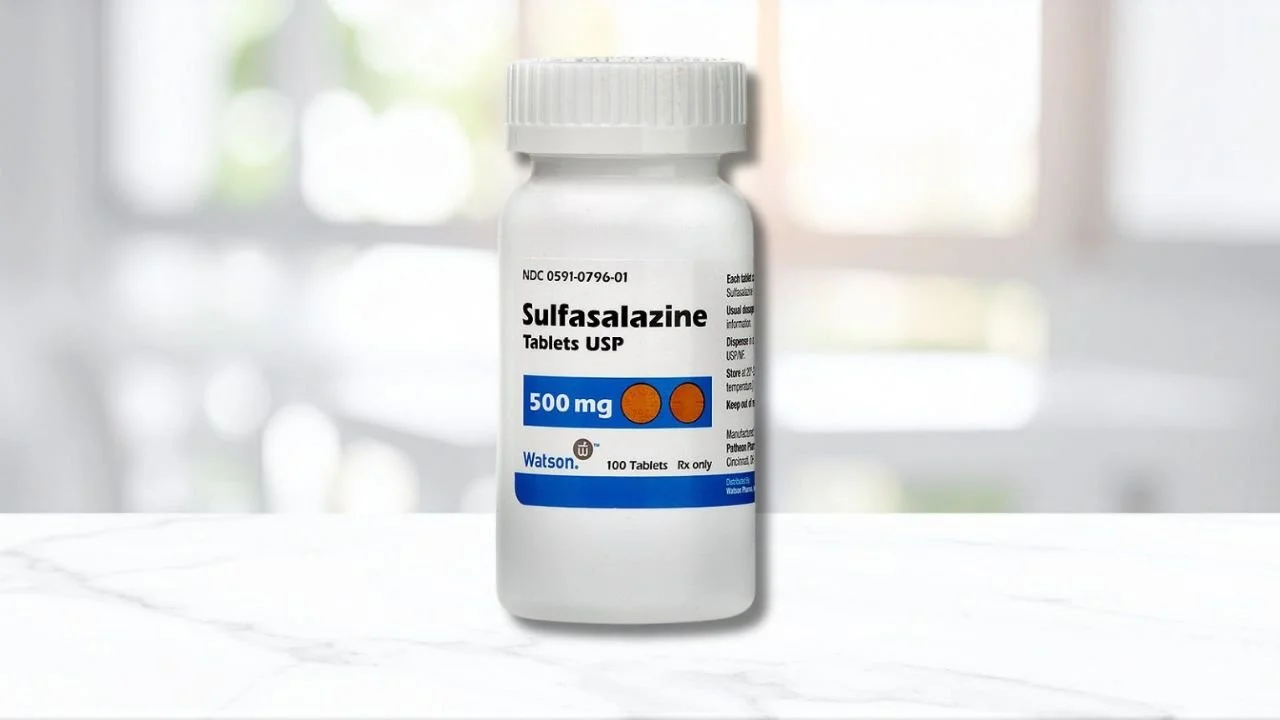
Sulfasalazine is a DMARD used to treat rheumatoid arthritis by targeting the immune system and reducing inflammation.
Key Benefits of Sulfasalazine
Slows joint damage
Reduces inflammation
Improves physical function
Helps prevent long-term complications
It is often prescribed for early rheumatoid arthritis and is especially effective when combined with other medications.
How Does Sulfasalazine Work?
Immune System Modulation
Sulfasalazine works by:
Reducing inflammatory chemicals called cytokines
Modulating immune system activity
Decreasing joint inflammation
Although the exact mechanism isn’t fully understood, its effectiveness in managing rheumatoid arthritis is well established.
Why This Matters
By addressing inflammation at the source, sulfasalazine helps:
Protect joints from damage
Reduce flare-ups
Improve long-term outcomes
When Is Sulfasalazine Prescribed?
Early Rheumatoid Arthritis
Sulfasalazine is commonly used when:
RA is newly diagnosed
Symptoms are moderate
Early intervention is needed to prevent progression
Combination Therapy
It is often combined with:
Methotrexate
Hydroxychloroquine
This combination approach can significantly improve results compared to using a single medication alone.
Dosage and How to Take Sulfasalazine
Typical Dosing Schedule
Start: 500 mg once or twice daily
Gradual increase over time
Maintenance: 2,000–3,000 mg per day
Best Practices for Taking Sulfasalazine
Take with meals to reduce stomach upset
Drink plenty of water
Follow your doctor’s instructions closely
Why Gradual Dosing Matters
Starting slowly helps:
Minimize side effects
Improve tolerance
Allow your body to adjust
Monitoring While on Sulfasalazine
Regular monitoring is essential when using sulfasalazine for rheumatoid arthritis.
Required Lab Tests
Liver function tests
Blood counts
Kidney function
Monitoring Schedule
Every 2–4 weeks initially
Every 3 months, once stable
Why Monitoring Is Critical
These tests help:
Detect side effects early
Ensure medication safety
Adjust treatment if needed
Common Side Effects of Sulfasalazine
Like any medication, sulfasalazine can cause side effects.
Most Common Side Effects
Nausea
Headache
Skin rash
These are usually mild and improve over time.
How to Reduce Side Effects
Take with food
Stay hydrated
Avoid prolonged sun exposure
Less Common but Important Concerns
Liver enzyme changes
Blood count abnormalities
Kidney-related issues (rare)
Your doctor will monitor these through routine labs.
Drug Interactions: What You Need to Know
Sulfasalazine can interact with other medications.
Possible Interactions
Certain antibiotics
Blood thinners
Some supplements
What You Should Do
Always inform your doctor about:
Medications
Supplements
Herbal products
This helps prevent complications and ensures safe treatment.
How Long Does Sulfasalazine Take to Work?
Unlike pain medications, sulfasalazine takes time to show results.
Timeline
Initial improvement: 4–8 weeks
Full effect: up to 3 months
What to Expect
Consistency is key. Stopping early may prevent you from experiencing full benefits.
Is Sulfasalazine Right for You?
Ideal Candidates
Early rheumatoid arthritis patients
Those needing combination therapy
Patients who cannot tolerate other DMARDs
Not a One-Size-Fits-All Treatment
Your treatment plan depends on:
Disease severity
Medical history
Response to medications
Frequently Asked Questions (FAQ)
-
Sulfasalazine is used to reduce inflammation, slow joint damage, and control disease progression in rheumatoid arthritis.
-
It typically takes 4–8 weeks to notice improvement, with full effects seen in up to 3 months.
-
Yes, but it is often more effective when combined with other DMARDs like methotrexate or hydroxychloroquine.
-
Common side effects include nausea, headache, and mild skin rash, which usually improve over time.
-
Yes, regular monitoring of liver function, blood counts, and kidney function is essential for safety.
Yes, regular monitoring of liver function, blood counts, and kidney function is essential for safety.
Managing rheumatoid arthritis requires more than symptom control—it requires a strategy that targets the disease itself. Sulfasalazine is one of the key medications that can help slow progression, reduce inflammation, and protect your joints long-term.
When used correctly and monitored properly, it can make a significant difference in how you feel and function daily.
If you want a deeper breakdown and a clear, step-by-step explanation, make sure to watch my full YouTube video where I walk you through everything you need to know about sulfasalazine and rheumatoid arthritis.
And remember, always talk to your rheumatologist before making any changes to your treatment plan.
If you’re in North Carolina and looking for a rheumatologist who can give you clear answers about your symptoms and treatment options, you can book an appointment atwww.empoweredarthritis.com for a comprehensive evaluation and a personalized care plan tailored to you.
If you’re outside North Carolina or the United States but still want guidance, you can schedule a one-on-one coaching session with me. I’d be happy to answer your questions, provide clarity, and help you create a plan so you can feel more confident about your next steps.
I also have free resources for you to download:
📘 Grab a copy of The Holistic Rheumatoid Arthritis Guide for step-by-step support
🥤 Download my FREE Rheumatoid Arthritis pain relief smoothie recipe
