
Traveling with arthritis can feel overwhelming, but it doesn’t have to stop you from exploring the world. With the right travel tips, you can reduce pain, prevent flares, and actually enjoy your trip instead of worrying about it.
As a medical professional, I’ve seen how arthritis can make even simple activities feel exhausting, especially during travel. Long flights, walking through airports, carrying luggage, and changes in routine can all trigger stiffness and discomfort. But with proper planning and smart strategies, traveling can become manageable and even enjoyable.
In this guide, you’ll learn 6 essential travel tips for arthritis that will help you stay comfortable, protect your joints, and travel with confidence.
Why Traveling with Arthritis Feels Challenging
Before we dive into solutions, it’s important to understand why travel can be difficult for people with arthritis:
Prolonged sitting increases joint stiffness
Carrying luggage puts strain on joints
Changes in climate can trigger symptoms
Disrupted routines affect medication timing and exercise
Increased physical activity can lead to flare-ups
The good news? These challenges are preventable with the right preparation.

6 Essential Arthritis Travel Tips
1. Plan an Arthritis-Friendly Trip
Planning is your first and most powerful tool.
What to consider:
Choose destinations with accessible infrastructure
Look for places with mild, stable climates
Avoid overly packed itineraries
Build in rest periods throughout your day
Pro Tip:
When booking tours or activities, prioritize those labeled as:
“Accessible”
“Low-impact”
“Leisure-paced”
Example:
Instead of planning 5 attractions in one day, choose 2–3 and allow time to rest in between. When you prioritize rest and pacing, traveling with arthritis becomes more comfortable, sustainable, and enjoyable.
2. Choose the Right Accommodation
Your hotel or accommodation can make or break your trip. Choosing the right place to stay is a key part of smart arthritis travel tips that can significantly reduce joint strain. An arthritis-friendly accommodation helps minimize unnecessary movement, making it easier to manage pain and fatigue.
Look for:
Elevators (avoid stairs)
Walk-in showers (reduce fall risk)
First-floor rooms (if elevators are limited)
Comfortable bedding
Proximity to key attractions
Bonus Tip:
Call ahead and request:
Extra pillows for joint support
Early check-in (to rest after travel)
These small requests can make a big difference in managing arthritis pain while traveling. When you reduce physical strain early, you lower the risk of stiffness and arthritis flare-ups during your trip.
3. Pack Smart (Not Heavy)
Packing strategically can help reduce joint strain and make traveling with arthritis much more manageable.
The way you pack can directly impact your comfort, mobility, and risk of arthritis flare-ups during your trip.
Essentials to bring:
Medications (extra supply)
Heating pads or cold packs
Comfortable shoes
Compression gloves or braces
Travel-sized pain relief creams
Make it easier on your joints:
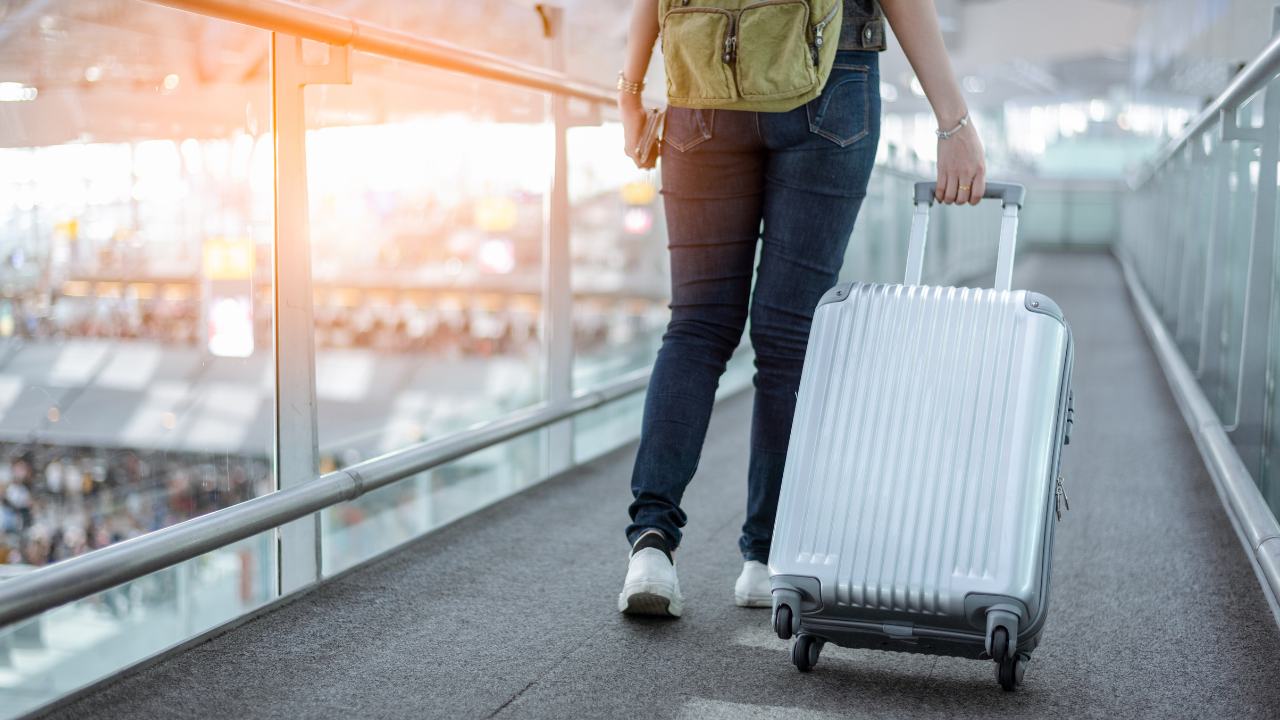
Use rolling luggage
Choose lightweight bags
Avoid overpacking
Pro Tip:
Distribute weight evenly in your luggage to reduce strain when lifting. Proper weight distribution helps reduce pressure on your hands, wrists, and shoulders when traveling with arthritis. By minimizing strain during lifting, you can lower your risk of triggering arthritis flare-ups and stay more comfortable throughout your trip.
4. Manage Your Medications Properly
When traveling with arthritis, staying consistent with your medications helps keep symptoms controlled and manageable. Missing doses or improper storage can worsen arthritis symptoms, making it essential to stay organized while on the go.
What you should do:
Bring enough medication for your entire trip (plus extra)
Keep medications in original containers
Carry a list of prescriptions
Bring a doctor’s note if needed
Don’t forget:
Pack medications in your carry-on, not checked baggage
Include over-the-counter options like:
Anti-inflammatory medications
Pain relievers
Why this matters:
Missing doses or delays can trigger painful flare-ups that disrupt your entire trip. Carrying your prescriptions and a doctor’s note helps you stay prepared and avoid interruptions to your arthritis treatment while traveling.
5. Use Mobility Aids Without Hesitation
Many people avoid mobility aids, but they can be game-changers. Mobility aids help prevent arthritis flare-ups by supporting your joints and allowing you to move safely and comfortably during your trip.
Helpful options:
Canes
Walkers
Wheelchairs (especially in airports)
Travel support services:
Airport wheelchair assistance
Priority boarding
Hotel concierge help
Important reminder:
Using assistance is not a weakness; it’s a strategy to protect your joints and conserve energy. Using available help allows you to enjoy your trip fully without letting arthritis symptoms limit your activities.
6. Stick to Your Routine as Much as Possible
Maintaining your daily routine is one of the most effective arthritis travel tips for preventing pain and stiffness. When traveling with arthritis, sticking to your usual medication and exercise schedule helps keep symptoms under control. Consistent routines can reduce the risk of arthritis flare-ups and make your trip more comfortable and enjoyable.
Maintain:
Your medication schedule
Light exercise or stretching
Proper hydration
Balanced meals
Simple stretches to do daily:
Gentle wrist and finger stretches
Ankle rotations
Shoulder rolls
Why it works:
“Active joints are happier joints.” Movement prevents stiffness and keeps your body functioning better. Gentle stretching and light activity help prevent stiffness and pain. Keeping your joints active supports overall arthritis management, making travel more comfortable and enjoyable.
Prevent Arthritis Flare-Ups While Traveling
Here are additional quick travel tips to minimize flare-ups:
Stay hydrated (especially on flights)
Avoid sitting for long periods—stand or walk every 1–2 hours
Use heat or cold therapy as needed
Wear supportive footwear
Listen to your body and rest when needed
FAQ: Traveling with Arthritis
-
Yes, but preparation is key. Plan breaks, stretch regularly, and stay hydrated to reduce stiffness.
-
Stick to your medication schedule, avoid overexertion, and incorporate rest periods into your itinerary.
-
Absolutely. Always bring more than you need in case of delays or emergencies.
-
Yes. Airlines provide assistance services, and mobility aids are typically allowed without extra cost.
-
Lightweight, rolling luggage is ideal to reduce strain on joints.
Travel with Confidence, Not Fear
Traveling with arthritis doesn’t mean giving up the experiences you love. With the right preparation, smart packing, proper medication management, and consistent routines, you can significantly reduce pain and enjoy your journey.
You deserve to explore, relax, and create meaningful experiences without being held back by arthritis.
If you want more guidance, talk to your rheumatologist, or if you’re in North Carolina and looking for a rheumatologist who can give clear answers about your symptoms, you can book an appointment atwww.empoweredarthritis.com for a comprehensive evaluation and a personalized care plan tailored to you.
If you’re outside North Carolina or the United States but still want guidance, you can schedule a one-on-one coaching session with me. I’d be happy to answer your questions, provide clarity, and help you create a plan so you can feel more confident about your next steps.
Plus, I have free resources to support you along the way:
📘 Grab a copy of The Holistic Rheumatoid Arthritis Guide for step-by-step support
🥤 Download my FREE Rheumatoid Arthritis pain relief smoothie recipe
