Why Steroids Weaken Bones and How to Prevent It
If you’ve been prescribed a steroid, there’s something important you need to know: it can silently weaken your bones, often without symptoms at first. This risk is especially important if you have rheumatoid arthritis, where inflammation already puts your bones at risk.
Steroids can be life-changing medications, helping control pain, inflammation, and autoimmune flares. But without proper prevention strategies, they can lead to bone loss and even fractures.
In this guide, you’ll learn exactly how steroids weaken bones, why the first few months matter most, and how to prevent long-term damage so you can stay strong, mobile, and protected.
What Does It Mean When Steroids Weaken Bones?
Understanding Bone Health
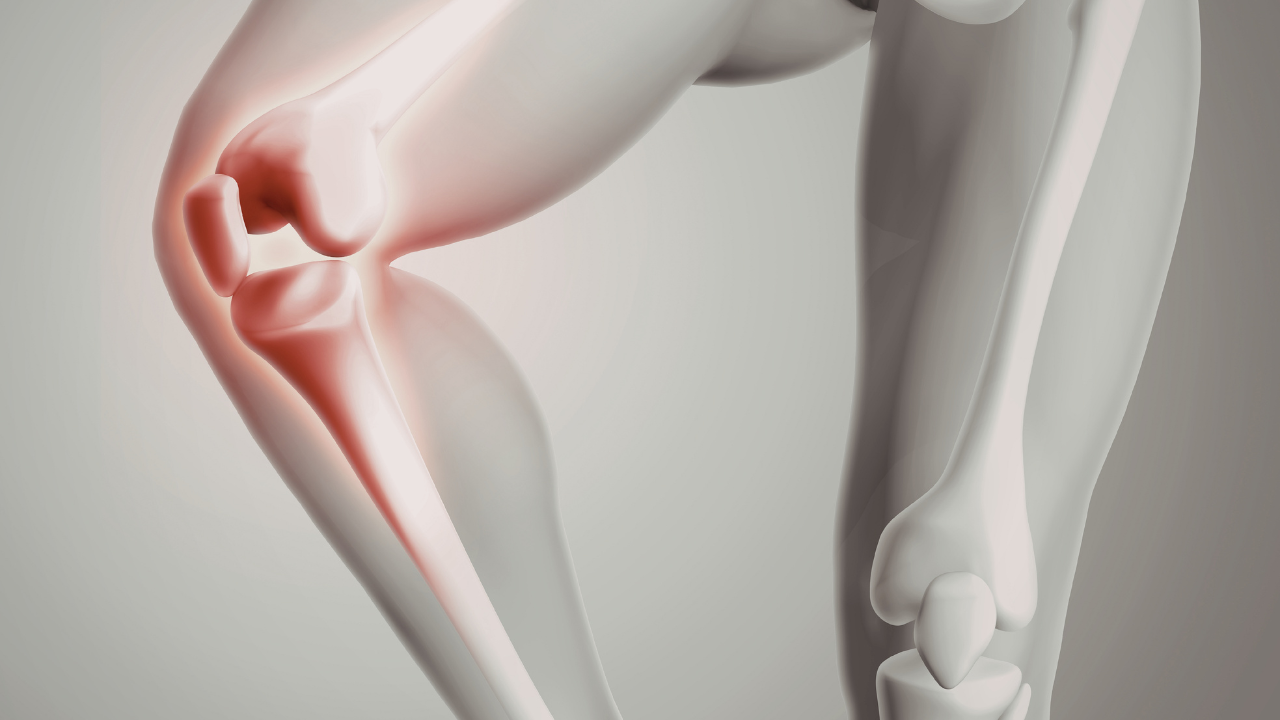
Your bones are not static; they are constantly being rebuilt through a balance of:
Bone formation (building new bone)
Bone resorption (breaking down old bone)
Think of your bones like a honeycomb:
Healthy bone = thick, strong structure
Weakened bone = thin, fragile structure
When this balance is disrupted, bones become weaker—a condition known as osteoporosis.
Why This Is Dangerous
When steroids weaken bones, the risk is not always obvious at first.
No early symptoms
No pain initially
The first sign may be a fracture
This is why steroid-induced bone loss is often called a “silent threat.”
Even simple movements like:
Bending
Coughing
Minor falls
can lead to fractures when bones are weak.
How Steroids Weaken Bones
The Science Behind It
Steroids disrupt the natural balance of bone remodeling:
1. They decrease bone formation
Reduce the activity of osteoblasts (bone-building cells)
2. They increase bone breakdown
Boost activity of osteoclasts (bone-destroying cells)
👉 Result: More bone destruction + less bone building = weaker bones
Why Timing Matters: The First 3–6 Months
One of the most critical facts:
Most bone loss happens within the first 3 to 6 months of steroid use.
This is the window where:
Bone density drops fastest
Prevention matters most
Even short-term steroid use can have an impact if precautions aren’t taken.
Why Rheumatoid Arthritis Increases the Risk
If you have rheumatoid arthritis, your risk of bone loss is even higher.
Here’s why:
Chronic inflammation weakens bone structure
Reduced physical activity can decrease bone strength
Long-term medication use (like steroids) compounds the risk
👉 Studies show people with rheumatoid arthritis are nearly twice as likely to develop osteoporosis.
That’s why prevention is not optional; it’s essential.
4 Proven Ways to Prevent Steroid-Induced Bone Loss
1. Optimize Calcium Intake
Calcium is the foundation of strong bones.
Recommended intake:
Around 1,000–1,200 mg per day (varies by individual)
Best sources:
Dairy products (milk, yogurt, cheese)
Green leafy vegetables
Fortified cereals and beverages
Canned fish (with bones)
⚠️ Important: Too much calcium can increase risks like kidney stones—always check with your doctor.
2. Maintain Healthy Vitamin D Levels
Vitamin D helps your body absorb calcium effectively.
Sources:
Sunlight exposure
Fatty fish (salmon, mackerel)
Egg yolks
Supplements (if deficient)
Tip:
Ask your doctor to check your vitamin D levels before supplementing.
3. Do Weight-Bearing Exercise
Exercise is one of the most powerful ways to prevent bone loss.
Best types:
Walking (15–20 minutes daily)
Strength training
Climbing stairs
Why it works:
Stimulates bone formation
Improves balance (reduces fall risk)
Consistency matters more than intensity.
4. Make Smart Lifestyle Changes
Small habits can make a big difference.
Avoid:
Smoking → directly weakens bones
Excess alcohol → increases bone loss
Focus on:
Staying active
Maintaining a healthy weight
Building sustainable routines
Monitoring: How to Know If Your Bones Are Weakening
Get a DEXA Scan
A bone density scan (DEXA scan) is the gold standard for measuring bone health.
Why it matters:
Detects bone loss early
Helps track changes over time
Guides treatment decisions
When to ask for one:
Before starting long-term steroid use
Within the first few months of therapy
If you have rheumatoid arthritis
👉 Don’t wait for symptoms—be proactive.
Your Bone Protection Checklist
If you’re taking steroids, follow this simple plan:
✔ Ask your doctor about a baseline bone scan
✔ Check calcium and vitamin D levels
✔ Start weight-bearing exercise
✔ Avoid smoking and limit alcohol
✔ Reassess your risk regularly
FAQ: Steroids and Bone Health
-
Bone loss can begin within weeks, but the most significant decline happens in the first 3–6 months.
-
Some bone loss can be improved with treatment, but prevention is much more effective than reversal.
-
Yes—especially oral corticosteroids taken long-term or at high doses.
-
Not always. You may still need vitamin D or calcium, depending on your levels testing is key.
-
No. Never stop steroids without medical guidance. Instead, focus on preventing bone loss while taking them.
Protect Your Bones Before It’s Too Late
Steroids are powerful and sometimes necessary, but they can quietly weaken your bones if you’re not careful.
The good news?You have more control than you think.
By taking action early, especially within the first few months, you can prevent bone loss, reduce your risk of fractures, and protect your long-term mobility and independence.
But you don’t have to figure this out alone.
Start by talking to your rheumatologist. Ask the right questions, understand your risk, and create a prevention plan that fits your specific condition, especially if you’re living with rheumatoid arthritis.
If you’re in North Carolina and looking for a rheumatologist who will truly listen and give you clear, personalized answers, you can book an appointment atwww.empoweredarthritis.com. You’ll receive a comprehensive evaluation and a personalized care plan tailored to you.
If you’re outside North Carolina or even outside the United States but still want guidance, you can schedule a one-on-one coaching session with me. I’d be happy to help you:
Get clarity on your symptoms
Understand your treatment options
Build a plan so you feel confident about your next steps
And if you’re just getting started, I’ve created free resources to support you:
📘 Grab a copy of The Holistic Rheumatoid Arthritis Guide for step-by-step support
🥤 Download my FREE Rheumatoid Arthritis pain relief smoothie recipe
Take that first step now. Your future bones will thank you.
