
If you are living with rheumatoid arthritis and your lab results show low disease activity or even remission, but you still experience fatigue, joint pain, stiffness, or reduced quality of life, you may be wondering whether your diet could be part of the problem.
You may have searched for the anti-inflammatory diet for rheumatoid arthritis and found hundreds of conflicting recommendations. Eliminate gluten. Avoid dairy. Stop eating nightshade vegetables. Try an elimination diet. Buy supplements. Follow a strict protocol.
It can become overwhelming very quickly.
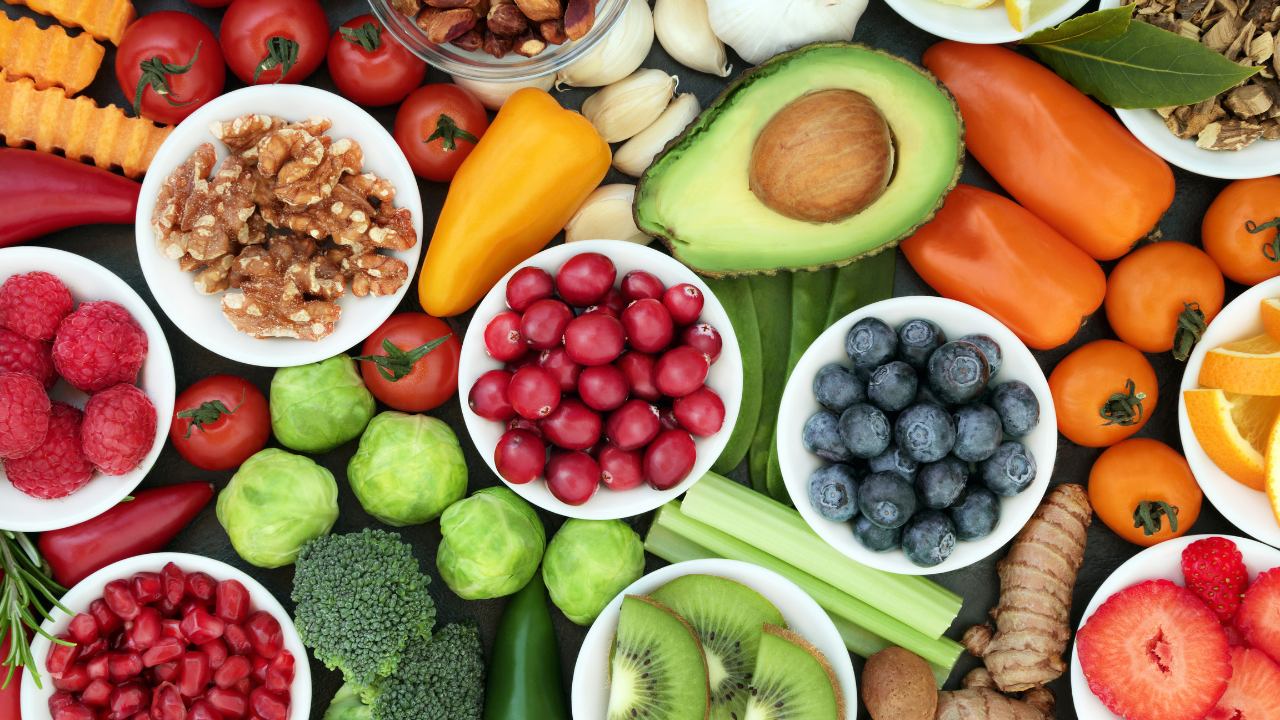
The good news is that you do not need a complicated diet to support your rheumatoid arthritis. Current evidence points toward a much simpler approach: a Mediterranean-style diet rich in vegetables, fruits, whole grains, legumes, nuts, seeds, olive oil, and fatty fish, while reducing ultra-processed foods, refined carbohydrates, and excess saturated fat. The American College of Rheumatology conditionally recommends a Mediterranean-style diet over no formally defined diet for people with rheumatoid arthritis.
But there is an important distinction:
Food can support your RA management, but diet does not replace disease-modifying rheumatoid arthritis treatment.
Think of nutrition as another tool in your toolbox, not a replacement for the medical treatment that controls the underlying autoimmune disease.
In this article, I will break down what the evidence actually tells us about the best diet for rheumatoid arthritis, which foods may help joint pain, which foods are overhyped, and what you can realistically start doing today.
Why You Can Still Feel Bad When Your RA Labs Look Good
One of the most frustrating experiences for someone with rheumatoid arthritis is hearing, "Your inflammation markers look good," while you still do not feel like yourself.
Low disease activity or remission is an important treatment goal. However, symptoms such as fatigue, pain, poor sleep, reduced physical function, mood changes, medication side effects, osteoarthritis, fibromyalgia, deconditioning, or other medical conditions can contribute to how you feel.
This is why diet should be viewed as one part of a comprehensive rheumatoid arthritis management plan.
If you continue to have significant symptoms despite low inflammatory markers, talk with your rheumatologist rather than assuming that food is the only explanation.
Your care team may need to consider:
Whether your RA is truly well controlled
Whether another pain condition is contributing to symptoms
Sleep quality and fatigue
Physical activity and muscle strength
Medication side effects
Cardiovascular and metabolic health
Nutrition deficiencies when clinically appropriate
Stress and mental well-being
Nutrition can support these goals, but it should complement, not replace, appropriate RA treatment.
What Is the Best Diet for Rheumatoid Arthritis?
If you want the simplest evidence-based answer, it is this:
A Mediterranean-style diet is currently one of the best-supported dietary patterns for rheumatoid arthritis.
The American College of Rheumatology specifically recommends adherence to a Mediterranean-style diet over no formally defined diet for RA-specific outcomes. This eating pattern emphasizes vegetables, fruits, whole grains, nuts, seeds, olive oil and fish while limiting highly processed foods, refined carbohydrates, added sugars and saturated fats.
Research on nutrition and RA is not perfect. Nutrition studies are difficult to conduct because people eat entire dietary patterns rather than isolated nutrients, and studies vary in size and design.
So I would not describe the Mediterranean diet as a "cure" or promise that it will put your RA into remission.
Instead, think about it as a practical eating pattern that may help reduce inflammation, support cardiovascular health, improve overall nutrition, and potentially improve RA symptoms and disease activity.
That is meaningful, especially because people with rheumatoid arthritis also have an increased risk of cardiovascular disease.
What Does a Mediterranean-Style Diet Look Like?
You do not need to live in Greece or Italy to follow a Mediterranean-style diet.
The basic idea is to build most meals around minimally processed, nutrient-dense foods.
1. Fill Your Plate With Vegetables
Aim for variety rather than searching for one magical vegetable.
Examples include:
Spinach
Broccoli
Kale
Carrots
Brussels sprouts
Cauliflower
Bell peppers
Tomatoes
Green beans
Squash
Vegetables provide fiber, vitamins, minerals and numerous plant compounds that support overall health.
2. Eat More Fruits
Fruit is not something you automatically need to eliminate because you have rheumatoid arthritis.
Choose whole fruits such as:
Berries
Apples
Oranges
Kiwi
Cherries
Pears
Pineapple
Berries are particularly useful additions because they provide antioxidant and polyphenol compounds.
3. Choose Whole Grains
Instead of making refined grains the foundation of your meals, choose whole grains more often.
Examples include:
Oatmeal
Brown rice
Quinoa
Barley
Whole-grain bread
Whole-grain pasta
Whole grains can also provide fiber, which is an important component of an overall healthy dietary pattern.
4. Add Legumes
Beans, lentils, chickpeas and peas provide fiber, plant-based protein and important micronutrients.
Try adding:
Lentil soup
Chickpeas to salads
Black beans to grain bowls
Hummus with vegetables
Lentils instead of some meat in soups or stews
5. Use Olive Oil
Extra virgin olive oil is a major component of the Mediterranean-style diet.
Use it for:
Salad dressings
Roasted vegetables
Cooking
Grain bowls
Marinades
Olive oil contains monounsaturated fat and polyphenols that may contribute to the anti-inflammatory properties of the Mediterranean dietary pattern.
6. Include Nuts and Seeds
Walnuts, almonds, chia seeds and flaxseeds can provide healthy fats, fiber and other nutrients.
A small handful of nuts can make an easy snack, while ground flaxseed or chia seeds can be added to oatmeal, smoothies or yogurt.
Omega-3 Fatty Acids and Rheumatoid Arthritis
One of the most studied nutritional components for RA is omega-3 fatty acids.
Omega-3 fatty acids are found naturally in fatty fish such as:
Salmon
Sardines
Mackerel
Herring
Trout
These foods provide EPA and DHA, two long-chain omega-3 fatty acids that have been studied for their effects on inflammation and rheumatoid arthritis symptoms.
Research suggests omega-3 supplementation may modestly improve outcomes such as joint pain, stiffness and disease activity in some people with RA.
However, "modest" does not mean "useless."
If a nutritional strategy offers a potential benefit while also supporting cardiovascular health, it can be worth incorporating into an overall treatment plan.
How Often Should You Eat Fatty Fish?
A practical goal is approximately two servings of fatty fish per week.
For example:
Monday: Salmon with roasted vegetables and quinoa
Thursday: Sardines on whole-grain toast with a large salad
If you are considering an omega-3 supplement, discuss it with your rheumatologist or another qualified healthcare professional first, particularly if you take medications that may interact with supplements or affect bleeding risk.
Foods That May Help Joint Pain
There is no single food that will eliminate rheumatoid arthritis pain.
Instead, focus on the overall pattern.
Some foods commonly included in an anti-inflammatory dietary pattern include:
Fatty fish
Berries
Leafy green vegetables
Broccoli and other cruciferous vegetables
Beans and lentils
Whole grains
Walnuts
Flaxseeds
Chia seeds
Extra virgin olive oil
Avocado
Herbs and spices such as ginger and turmeric
The Arthritis Foundation also highlights fruits, vegetables, whole grains, nuts, seeds, fish and olive oil as important components of an eating pattern that may support people with inflammatory arthritis.
The key is not to obsess over individual "superfoods."
Your overall dietary pattern matters more than one ingredient.
Foods to Avoid With Rheumatoid Arthritis
Instead of creating a massive list of foods you are forbidden to eat, start by reducing foods that are easy to overconsume and provide relatively little nutritional value.
1. Ultra-Processed Foods
This should be one of your first priorities.
Examples include:
Packaged snack foods
Highly processed frozen meals
Fast food
Sugary cereals
Processed desserts
Sugar-sweetened beverages
Many packaged baked goods
The American College of Rheumatology's Mediterranean-style dietary recommendation specifically emphasizes limiting highly processed foods and refined carbohydrates.
2. Refined Grains and Excess Added Sugar
Foods made primarily from refined carbohydrates can easily become a large part of the modern diet.
Think about:
Sweetened breakfast cereals
Pastries
Cookies
Cakes
Candy
Sugary drinks
Refined white breads and similar products
You do not need to fear every gram of carbohydrate.
The goal is to shift the majority of your carbohydrate intake toward nutrient-dense sources such as vegetables, fruit, legumes and whole grains.
3. Excess Saturated Fat and Processed Meat
A Mediterranean-style diet generally minimizes processed meats, excess red meat and foods high in unhealthy fats.
This is especially relevant because cardiovascular health matters in rheumatoid arthritis.
Rather than asking, "Can I ever eat this?"
Ask:
"How often is this food taking up space on my plate?"
That question is much more sustainable.
Rheumatoid Arthritis and Gluten: Do You Need to Go Gluten-Free?
This is one of the most common questions I hear.
The short answer is:
Not everyone with rheumatoid arthritis needs to avoid gluten.
Gluten elimination is essential for people with celiac disease, but there is not enough RA-specific evidence to recommend that every person with rheumatoid arthritis follow a gluten-free diet.
If you notice that particular foods consistently seem to worsen your symptoms, discuss that pattern with your healthcare professional before eliminating entire food groups.
There is also an important practical issue: gluten-free does not automatically mean anti-inflammatory or healthier.
A highly processed gluten-free cookie is still a highly processed cookie.
The goal is not simply to remove gluten.
The goal is to build a nutritious dietary pattern.
Nightshade Vegetables and Rheumatoid Arthritis
Nightshades include:
Tomatoes
Potatoes
Eggplant
Peppers
You may have heard that these vegetables cause rheumatoid arthritis flare-ups.
However, there is limited scientific evidence supporting the idea that nightshade vegetables universally trigger RA flares. The Arthritis Foundation notes that nightshades are common in Mediterranean-style eating and that evidence supporting their removal is limited.
That does not mean your personal experience should be ignored.
If you consistently notice symptoms after eating a particular food, you can discuss a structured elimination and reintroduction approach with your healthcare professional or registered dietitian.
But I would not recommend automatically eliminating tomatoes, potatoes, peppers and eggplant simply because someone on social media told you they are "inflammatory."
Three Things I Would Prioritize First
If you are overwhelmed by all the rheumatoid arthritis diet advice online, simplify it.
Start with these three priorities.
1. Follow a Mediterranean-Style Diet
Build your meals around:
Vegetables + fruit + whole grains + legumes + nuts/seeds + olive oil + fish
This is the dietary pattern with the strongest support for RA-specific outcomes compared with other formally defined diets.
2. Increase Omega-3-Rich Foods
Aim to include fatty fish about twice a week.
If you do not eat fish, talk with your healthcare professional about other ways to obtain omega-3 fatty acids.
3. Reduce Ultra-Processed Foods
Before eliminating gluten, dairy, nightshades or multiple other food groups, look at the foods you are eating most frequently.
Ask yourself:
How much of my diet comes from food that still looks like the food it started as?
That question can be more useful than following a complicated elimination protocol.
What If Your RA Is in Remission but You Still Have Pain and Fatigue?
This is where individualized care becomes important.
A healthy diet may support your overall health, but persistent symptoms should not automatically be blamed on "hidden inflammation" or a food intolerance.
If your RA blood tests look good but you continue to experience pain or fatigue, talk with your rheumatologist.
Your symptoms deserve to be investigated.
The goal is not simply to tell you to "eat cleaner."
The goal is to understand why you are still not feeling well and what can realistically improve your quality of life.
Frequently Asked Questions
You do not need another complicated diet protocol.
You do not need to spend thousands of dollars on supplements or elimination programs.
And you do not need to fear every food you eat.
For most people with rheumatoid arthritis, the most practical place to start is a Mediterranean-style eating pattern, more omega-3-rich foods, and fewer ultra-processed foods.
Think of nutrition as one tool in your rheumatoid arthritis toolbox.
Your medication may be doing the critical work of controlling the autoimmune disease. Your food choices can support that treatment by helping you build a healthier, more nutrient-dense lifestyle.
And if you have low disease activity or remission on your labs but still experience pain, fatigue or reduced quality of life, do not simply assume you need to eliminate more foods.
Talk to your rheumatologist and get a comprehensive evaluation of your symptoms.
-
The Mediterranean-style diet currently has some of the best support for RA-specific dietary outcomes. It emphasizes vegetables, fruits, whole grains, legumes, nuts, seeds, olive oil and fish while limiting highly processed foods, refined carbohydrates and excess saturated fat.
-
Foods commonly included in an anti-inflammatory dietary pattern include fatty fish, vegetables, fruits, berries, legumes, whole grains, nuts, seeds and extra virgin olive oil. The benefit comes primarily from the overall dietary pattern rather than one specific food.
-
Not necessarily. Gluten avoidance is important for people with celiac disease, but there is not enough evidence to recommend that everyone with RA eliminate gluten. If you suspect a food trigger, discuss it with your healthcare professional before making major dietary restrictions.
-
There is limited evidence that nightshade vegetables universally cause RA flares. Tomatoes, peppers, eggplant and potatoes can be part of a healthy Mediterranean-style diet. If you notice a consistent personal connection between a particular food and your symptoms, discuss a structured elimination and reintroduction trial with your healthcare team.
-
No. Diet is a supportive tool, not a replacement for appropriate RA treatment. Medications that control the autoimmune inflammation of RA remain an important part of preventing disease progression and joint damage. Nutrition can complement medical treatment and support your overall health.
If you are in North Carolina and looking for a rheumatologist who can help you get clear answers about your symptoms, you can book an appointment at Empowered Arthritis for a comprehensive evaluation and a personalized care plan tailored to you: Book an appointment with Empowered Arthritis
If you are outside North Carolina or outside the United States but still want guidance and support, you are welcome to join my free, exclusive rheumatoid arthritis community. Inside, you can connect with me, interact with other rheumatoid arthritis warriors who truly understand what you are going through, and join future group calls where we discuss real-life RA challenges, treatment options, lifestyle strategies, flare management, medications, and more.
I also have free resources created specifically to help you:
📘 Grab a copy of The Holistic Rheumatoid Arthritis Guide for step-by-step support
🥤 Download my FREE Rheumatoid Arthritis pain relief smoothie recipe
Because managing rheumatoid arthritis should not mean living in confusion about what you can eat.
You deserve evidence-based information, individualized medical care and a plan that makes sense for your life.
