
Why RA Flares Hit After Stress Finally Ends
Have you ever made it through a stressful week, finished a major project, gotten through a difficult situation, and finally felt like you could breathe again, only to wake up with painful, swollen, stiff joints?
If you have experienced rheumatoid arthritis flares after stress, you may wonder, "Why now? I thought the stressful part was over."
You are not imagining the connection.
Stress can influence rheumatoid arthritis symptoms and disease activity, and research has found that stressful experiences and worrying can be associated with changes in pain, fatigue, swelling, and self-reported RA activity over time.
But there is an important distinction: science does not show that every RA flare after stress is caused by a sudden drop in cortisol or that stress always produces a delayed flare. RA is complex, and several factors can overlap. Sometimes the inflammation was already building while you were focused on getting through the stressful period, and you noticed the symptoms only afterward.
So if your RA seems to flare when life finally calms down, there may be more going on than meets the eye.
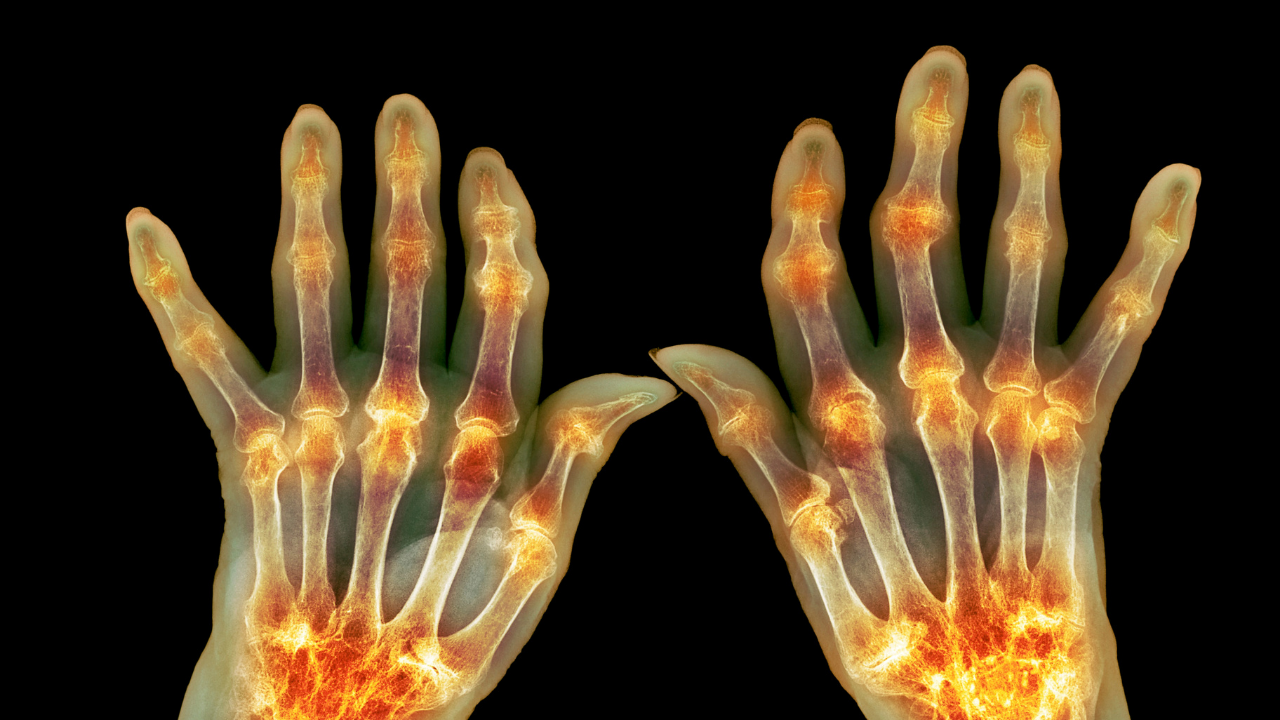
Why Can Rheumatoid Arthritis Flare After Stress?
Rheumatoid arthritis is an autoimmune disease in which the immune system mistakenly attacks healthy tissues, particularly the lining of the joints. This can lead to inflammation, pain, swelling, stiffness, and fatigue.
A flare happens when your symptoms become significantly worse than your usual baseline. Flares can be predictable, meaning there is an identifiable trigger, or unpredictable, meaning there is no obvious reason for the worsening. Stress, poor sleep, infection, overexertion, and medication changes can all be associated with worsening symptoms.
That is why an RA flare after a stressful period can feel so confusing.
You may think:
"I wasn't hurting while I was dealing with everything. Why am I hurting now?"
The answer is not necessarily that your body waited until the stress ended to become inflamed. Instead, several processes may be happening at the same time.
Your body may have been running on high alert
During stressful periods, your body activates systems designed to help you respond to a challenge. These include the sympathetic nervous system and the hypothalamic-pituitary-adrenal, or HPA, axis.
Cortisol is one of the hormones involved in the body's stress response.
Stress also interacts with immune signaling. Research in RA has found that acute psychological stress can affect inflammatory cellular responses, although the relationship between stress hormones, immune activity, and RA symptoms is complicated.
This does not mean cortisol is simply "good" during stress and then suddenly "bad" when stress ends.
The biology is much more complicated.
Instead, think of stress as one factor that can influence a system that is already vulnerable to inflammation.
The "Delayed RA Flare" May Not Actually Be Delayed
One of the most important things to understand about rheumatoid arthritis and stress is that symptoms do not necessarily appear at the exact moment a trigger occurs.
Research following people with RA found that daily stressors were associated with increased fatigue in the following month, while worrying was associated with increased self-reported disease activity, pain, and swollen joint counts in the next month. Importantly, the study did not establish cortisol or HPA-axis activity as the mediator of this relationship.
So, when people talk about a "delayed RA flare," it is more accurate to say that symptoms can become noticeable after a stressful period rather than claiming that stress hormones definitely caused a delayed inflammatory reaction.
For example:
Monday through Friday: You are working long hours, sleeping poorly, skipping meals, and pushing through responsibilities.
Saturday: The stressful event is finally over.
Sunday: You wake up exhausted, stiff, and sore.
Monday: Your hands are swollen and your knees hurt.
The trigger may not be one single event.
It may be the combination of:
Prolonged stress
Poor sleep
Changes in routine
Missed medications
Less physical activity
Overexertion
Irregular meals
Increased pain sensitivity
An infection or another trigger occurring at the same time
The flare may simply become obvious once you finally have time to notice what your body is telling you.
Stress and Rheumatoid Arthritis: What Does Cortisol Have to Do With It?
You may have heard that people with RA have "cortisol problems" or that cortisol drops after stress and causes inflammation.
That explanation is appealing because it sounds simple.
Unfortunately, cortisol and rheumatoid arthritis are not that straightforward.
Cortisol is an important hormone involved in regulating the body's response to stress and inflammation. However, studies of the HPA axis in RA have produced complex and sometimes conflicting findings. One study, for example, found differences in cortisol responses to stress in people with RA, while another study found elevated salivary cortisol in people with RA but did not find a simple relationship between stress measures and RA disease activity.
This is why I would not recommend thinking about RA as:
Stress → cortisol drops → inflammation automatically starts.
Your immune system is far more complicated than that.
A better way to think about it is:
Stress can interact with immune, hormonal, behavioral, sleep, and pain pathways, potentially making RA symptoms harder to control.
That distinction matters because it prevents you from blaming one hormone for every flare.
Common Rheumatoid Arthritis Flare Triggers
Stress may be one trigger, but it is rarely the only possibility.
If you notice rheumatoid arthritis symptoms after stress, look at the entire period surrounding the flare.
1. Poor sleep
Stress often interferes with sleep.
You may stay awake thinking about problems, wake frequently during the night, or simply get fewer hours of sleep because life is demanding.
Sleep and RA can create a cycle. RA pain can interfere with sleep, while poor sleep can increase pain sensitivity and make symptoms more difficult to manage.
If your stressful period involved several nights of poor sleep, the sleep disruption may be an important part of the picture.
2. Medication changes
Did you miss doses because you were busy?
Did you stop a medication because you were feeling better?
Did you run out of medication?
Did you change the timing of your medications?
Suddenly stopping or changing medications without medical guidance can contribute to worsening disease activity.
Your RA medications are part of your disease-control strategy. Stress management should complement appropriate medical treatment, not replace it.
3. Physical overexertion
Stressful periods can involve more physical activity than usual.
Moving houses, traveling, cleaning, caring for family members, working long hours, or taking on extra responsibilities can place additional strain on your body.
Overexertion can contribute to a flare, particularly when your body has not had enough time to recover.
4. Infection
Sometimes what looks like a stress-related flare may actually occur around an infection.
Viral illnesses and other infections can affect your overall immune system and may coincide with worsening RA symptoms.
If your symptoms are significantly different from your usual RA pattern, talk with your healthcare professional rather than automatically assuming stress is responsible.
5. Changes in eating patterns
Stress can completely change how you eat.
You may rely more heavily on highly processed foods, sugary beverages, fast food, or alcohol. You may also skip meals or eat irregularly.
Diet is not a replacement for RA medication, but an overall dietary pattern can support your health. A Mediterranean-style eating pattern is one practical example of an eating pattern that emphasizes vegetables, fruits, whole grains, legumes, nuts, seeds, fish, and healthy fats.
The goal is not perfection.
The goal is consistency.
Could Your Lifestyle Be Amplifying the Flare?
This is where lifestyle medicine can become useful.
Think about your body as a system.
If you combine:
Stress + poor sleep + inactivity + irregular meals + medication disruption + overexertion
you may create a situation in which your RA symptoms become harder to control.
That does not mean you caused your flare.
It means there may be several modifiable factors you can work on alongside your medical treatment.
This is also why I encourage people with RA to avoid trying to change everything at once.
Start with one thing.
Improve your sleep.
Then work on your meals.
Then gradually add appropriate movement.
Then develop a sustainable stress-management practice.
Small, consistent changes are often easier to maintain than an overwhelming list of rules.
How to Manage RA Flares When Stress Is a Trigger
When symptoms begin after a stressful period, the goal is not simply to "relax."
You need a practical plan.
1. Do not change your RA medication on your own
If your joints suddenly become swollen and painful, do not assume that you need to restart an old prescription or take someone else's medication.
Contact your rheumatology team.
Your treatment may need to be adjusted depending on what is causing the flare and how active your RA is.
The American College of Rheumatology provides evidence-based treatment guidance for RA, including recommendations concerning disease-modifying therapies.
2. Be cautious with prednisone
Prednisone can be very effective for controlling inflammation and may be used in RA flares in appropriate circumstances.
But it is not a medication you should start, stop, or adjust without medical guidance.
The American College of Rheumatology notes that prednisone should generally be used at the lowest effective dose for the shortest necessary duration because risks increase with dose and duration. If you have taken prednisone regularly for more than two weeks, you should not stop it suddenly without discussing tapering with your healthcare professional.
If you are thinking, "My inflammation is high, so can I just take prednisone I have at home?" the answer is: talk to your healthcare professional first.
3. Prioritize sleep
When your life becomes calmer, use that opportunity to rebuild your sleep routine.
Try:
Going to bed and waking up around the same time
Limiting caffeine later in the day
Creating a quiet bedtime routine
Reducing screen exposure before bed
Addressing pain that interferes with sleep
Talking with your healthcare professional if insomnia persists
Sleep is not a luxury when you have RA.
It is part of taking care of your overall health.
4. Use gentle movement
During an active flare, you may need to modify your activity rather than forcing yourself through an intense workout.
Gentle movement can help maintain joint mobility and function, while longer periods of inactivity can contribute to stiffness and weakness. NIAMS recommends balancing rest with appropriate exercise and working with healthcare professionals when necessary.
Think:
Gentle stretching
Short walks
Water-based exercise
Range-of-motion exercises
Physical therapy when appropriate
The right amount of activity depends on your symptoms and overall health.
5. Practice mindfulness for rheumatoid arthritis
Mindfulness does not cure RA.
But mindfulness-based practices can be useful tools for managing stress, pain perception, and emotional well-being.
Deep breathing, meditation, yoga, tai chi, and other mind-body practices may help people with arthritis cope with pain and stress.
You do not need to meditate for an hour.
Start with five minutes.
Sit comfortably.
Slow your breathing.
Notice the sensations in your body without immediately judging them.
That small pause can become part of your stress management for RA strategy.
What About Vitamins and Supplements for Rheumatoid Arthritis?
This is another question I hear frequently.
Micronutrients are important for normal cellular and immune function, but taking large amounts of supplements is not automatically better.
Vitamin D
Vitamin D is important for bone health and normal immune function.
People with RA may also have increased concerns about bone health, particularly when corticosteroids are part of their treatment. NIAMS recommends discussing calcium and vitamin D needs with your healthcare professional when appropriate.
Ask your healthcare professional whether your vitamin D level should be checked and whether supplementation is appropriate for you.
Food sources and fortified foods can also contribute to vitamin D intake.
Folic acid with methotrexate
If you take methotrexate for RA, your rheumatologist may recommend folic acid supplementation.
Do not assume that every vitamin or supplement is appropriate simply because it is available over the counter. Your medication regimen matters.
Vitamin B12
People following a vegan diet may need particular attention to vitamin B12 because reliable dietary sources are limited.
If you follow a vegan diet, ask your healthcare professional whether B12 supplementation or testing is appropriate.
Vitamin C and vitamin E
These vitamins are important nutrients, but that does not mean high-dose supplementation will control RA inflammation.
A nutrient-dense diet should generally be the foundation.
Omega-3 fatty acids
Omega-3 fatty acids have been studied in RA, and some research suggests they may help with symptoms such as pain or morning stiffness. However, supplements can interact with medications and are not appropriate for everyone. Discuss them with your healthcare professional before starting them.
The bigger message is simple:
Do not build your RA treatment plan around supplements.
Use nutrition and appropriate supplements as part of a comprehensive strategy that includes evidence-based medical treatment.
The Bigger Picture: RA Is a Chronic Disease, Not a Personal Failure
Rheumatoid arthritis is chronic.
That means there may be periods when symptoms are well controlled and periods when disease activity increases.
A flare does not mean you failed.
It does not mean you were not disciplined enough.
It does not automatically mean you ate the wrong food.
And it does not mean you "caused" your autoimmune disease by being stressed.
The goal is to identify patterns without blaming yourself.
If stress repeatedly seems to precede your symptoms, that is useful information to bring to your rheumatologist.
Keep a simple record of:
Stressful events
Sleep quality
Medication changes
Joint swelling
Morning stiffness
Pain levels
Fatigue
Physical activity
Illness or infection
Major dietary changes
Over time, patterns may become easier to recognize.
When Should You Talk to Your Rheumatologist?
Do not assume every episode of pain is simply a stress-related RA flare.
Contact your healthcare professional if:
Your joint swelling is increasing
Your morning stiffness is lasting longer than usual
Your fatigue is significantly worse
Your symptoms are interfering with normal activities
You are experiencing repeated flares
Your current medication no longer seems to control your symptoms
You have signs of infection
You are considering starting or restarting prednisone
You want to stop or change an RA medication
You are developing symptoms that are new or unusual for you
Repeated flares can be a sign that your RA needs to be reassessed.
The purpose of treatment is not simply to help you survive each flare. The goal is to control disease activity
Frequently Asked Questions About Rheumatoid Arthritis Flares After Stress
-
Stress can be associated with worsening RA symptoms and increased disease activity, but it is not the only possible trigger. Poor sleep, infection, overexertion, medication changes, and other factors can also contribute to flares..
-
Symptoms can become noticeable after a stressful period because stress-related changes may occur alongside sleep disruption, physical exhaustion, changes in medication routines, and other triggers. Research has found that some stress-related factors can be associated with RA symptoms in the weeks that follow. However, this does not prove that every post-stress flare is caused by a delayed cortisol response.
-
Cortisol is involved in the body's stress response and interacts with immune regulation, but cortisol and RA are not a simple cause-and-effect relationship. Research on the HPA axis and cortisol in RA has produced complex findings. It is not accurate to say that every RA flare occurs because cortisol suddenly drops after stress.
-
Mindfulness and other mind-body practices may help people manage stress, pain, and emotional well-being. Options include meditation, deep breathing, yoga, tai chi, and walking meditation. These practices should complement, not replace, appropriate medical treatment for RA.
-
Do not start, restart, increase, or stop prednisone without medical guidance. Prednisone can rapidly reduce inflammation, but its risks increase with dose and duration. The American College of Rheumatology recommends using the lowest effective dose for the shortest necessary period, and people who have taken it regularly for more than two weeks should discuss tapering rather than stopping suddenly.
If your rheumatoid arthritis flares after stress, it can feel incredibly frustrating.
You finally made it through the stressful period.
You finally had a moment to rest.
And then your joints started hurting.
But your body is not necessarily betraying you.
Stress is one piece of a much larger picture involving immune activity, sleep, medications, physical activity, infections, nutrition, pain processing, and your underlying RA disease activity.
Research supports an association between stress and changes in RA symptoms, but the biology is not as simple as saying that stress causes cortisol to drop and automatically triggers inflammation.
The most important thing is to pay attention to patterns without blaming yourself.
Your next step may be as simple as asking:
"What changed in my life before this flare?"
Then bring that information to your rheumatologist.
If you are in North Carolina and looking for a rheumatologist who can help you understand your symptoms rather than simply treating the next flare, you can book an appointment atEmpowered Arthritis for a comprehensive evaluation and a personalized care plan tailored to you.
If you are outside North Carolina or outside the United States but still want guidance and support, you are welcome to join my free, exclusive community. Inside, you can connect directly with me, interact with other rheumatoid arthritis warriors who truly understand what you are going through, and join future group calls where we discuss real-life RA challenges, treatment options, lifestyle strategies, flare management, medications, and more.
And I also have free resources to help you get started:
📘 Grab a copy of The Holistic Rheumatoid Arthritis Guide for step-by-step support
🥤 Download my FREE Rheumatoid Arthritis pain relief smoothie recipe
You do not have to figure out rheumatoid arthritis alone.
