
There is no single supplement that treats rheumatoid arthritis or replaces disease modifying antirheumatic drugs.
However, some supplements and nutrients have been studied in people with RA.
The evidence is strongest or most clinically relevant for:
Omega 3 fatty acids, particularly fish oil
Vitamin D, especially when a person is deficient or has inadequate levels
Folic acid, particularly for people taking methotrexate
Vitamin B12, when dietary intake or laboratory testing suggests deficiency
Other popular natural supplements for rheumatoid arthritis, including curcumin, turmeric, collagen, and CBD, have much less convincing evidence for RA specifically.
That distinction matters.
A supplement can have anti inflammatory effects in a laboratory study without actually reducing rheumatoid arthritis disease activity in people.
A supplement should not replace your RA medication
Rheumatoid arthritis is an autoimmune inflammatory disease. Medical treatment can reduce inflammation, control disease activity, and help prevent progressive joint damage.
Supplements may sometimes be useful additions, but they should not be considered replacements for prescribed RA treatment. The National Center for Complementary and Integrative Health also advises people with RA not to substitute complementary approaches for recommended medical treatment.
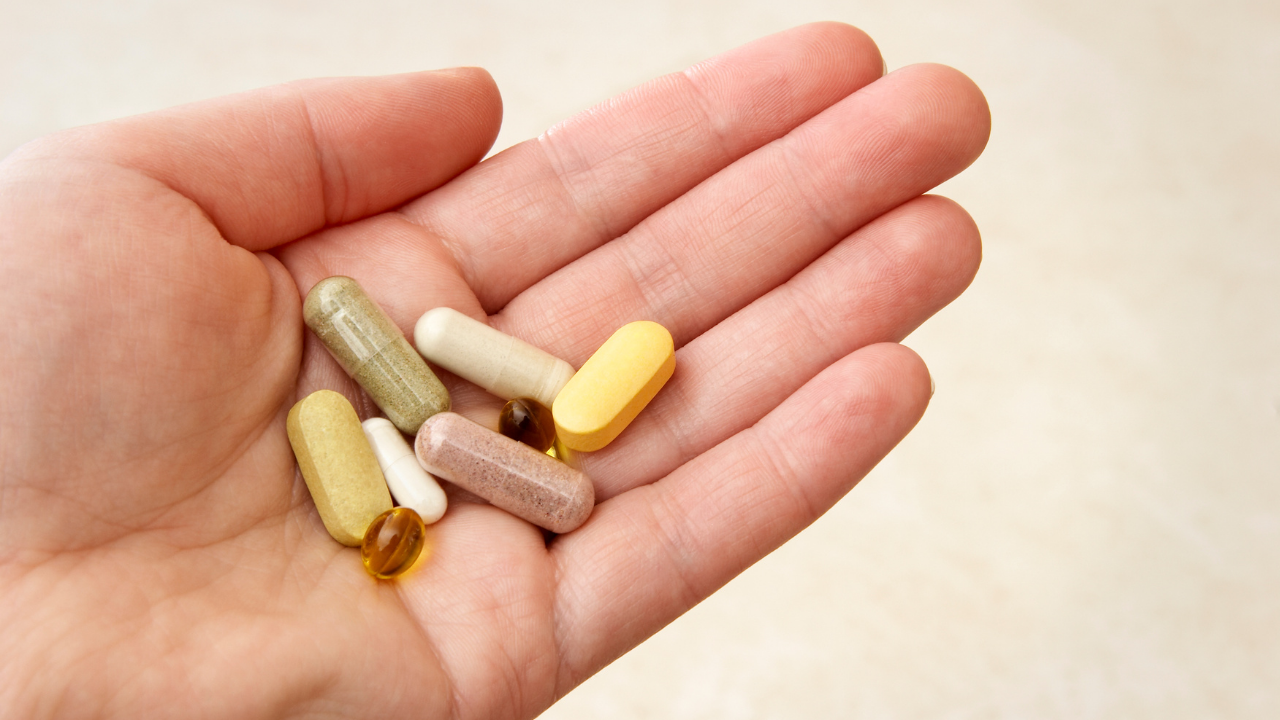
1. Omega 3 for Rheumatoid Arthritis
If you are searching for supplements for rheumatoid arthritis with some meaningful clinical evidence, omega 3 fatty acids are one of the most reasonable supplements to discuss with your rheumatologist.
Omega 3 fatty acids include EPA and DHA, which are found in fatty fish and fish oil supplements.
What does the research show?
Research suggests that omega 3 supplementation may provide modest improvements in some RA symptoms.
A review summarized by NCCIH found that omega 3 fatty acids may improve several RA disease activity related markers. Other reviews have found potential benefits involving pain, tender joints, swollen joints, and morning stiffness. Some studies have also suggested that fish oil supplementation may reduce the need for nonsteroidal anti inflammatory drugs in some people with RA.
A 2022 review of 30 studies involving 1,420 participants also found that diets rich in polyunsaturated fatty acids, particularly omega 3 fatty acids, may improve symptoms such as pain and swollen or tender joints.
That does not mean fish oil cures RA.
Instead, think of omega 3 as a possible adjunct to your existing treatment plan.
Food or fish oil supplements?
You can get omega 3 fatty acids from foods such as:
Salmon
Sardines
Mackerel
Trout
Other oily fish
For some people, a fish oil supplement may be practical. However, supplements can vary considerably in their EPA and DHA content.
If you take blood thinning medication, have a bleeding disorder, have an upcoming procedure, or have other medical conditions, talk with your healthcare professional before starting high dose fish oil.
Bottom line: Omega 3 has some of the more promising evidence among RA supplements, but the benefit is generally modest and it should be viewed as an addition to, not a replacement for, medical treatment.
2. Vitamin D for Rheumatoid Arthritis
Vitamin D is another nutrient worth paying attention to if you have rheumatoid arthritis.
Vitamin D is important for bone health, muscle function, and immune function. People with RA may also have low vitamin D levels, and research has found an association between vitamin D status and RA disease activity.
But there is an important distinction between correcting vitamin D deficiency and taking high doses of vitamin D to treat RA.
Should you take vitamin D for RA?
If your vitamin D level is low, your rheumatologist may recommend supplementation.
Some systematic reviews have found improvements in certain RA outcomes following vitamin D supplementation, while other analyses have found inconsistent effects. A 2025 meta analysis reported improvements in some measures including DAS28, CRP, and ESR, but also noted uncertainty around the optimal dose and duration.
So vitamin D may be important for someone who is deficient, but it should not automatically be considered a disease modifying treatment for rheumatoid arthritis.
Your doctor can determine whether testing your 25 hydroxyvitamin D level makes sense for you.
The NIH notes that 20 ng/mL or higher is considered adequate for bone and overall health for most people, while levels below 12 ng/mL are associated with deficiency. Optimal levels for every health outcome have not been definitively established.
Food sources of vitamin D
Vitamin D can come from:
Fatty fish
Fortified milk
Fortified plant milks
Some fortified yogurts
Egg yolks
Dietary supplements
One correction that is important when discussing nutrition: vegetables such as spinach are nutritious, but they are not major dietary sources of vitamin D.
Bottom line: Ask your healthcare professional whether your vitamin D level should be checked. If you are deficient, correcting that deficiency can be important for your overall health and may have benefits relevant to RA.
3. Folic Acid and Methotrexate
Folic acid is different from many of the supplements people take for inflammation.
If you take methotrexate for rheumatoid arthritis, folic acid is commonly used as part of methotrexate therapy.
Methotrexate can interfere with folate metabolism and can contribute to side effects such as gastrointestinal problems and abnormal liver enzymes.
A systematic review of seven studies involving 709 people with RA found that folate supplementation reduced elevated liver enzymes and gastrointestinal side effects in people taking methotrexate.
Recommendations and clinical practice commonly include folic acid supplementation with methotrexate.
This is an important example of why supplements and rheumatoid arthritis medication should be discussed together.
Folic acid is not being used because it "cures inflammation." It is being used in the context of methotrexate therapy to help reduce medication related toxicity.
Your rheumatologist should tell you the appropriate dose and timing based on your methotrexate regimen.
Bottom line: If you take methotrexate, do not assume your supplement routine is separate from your medication plan. Folic acid is an important part of methotrexate management for many patients.
4. Vitamin B12
Vitamin B12 is important for red blood cell formation, neurological function, and DNA synthesis.
However, vitamin B12 is not a specific treatment for rheumatoid arthritis.
It becomes particularly relevant if you have a dietary pattern that makes deficiency more likely.
People following vegan or vegetarian diets can have a higher risk of inadequate B12 because natural food sources are primarily animal foods. Fortified foods and B12 supplements can help reduce that risk.
If you are concerned about B12, your healthcare professional can determine whether testing is appropriate.
Bottom line: Take B12 when you need it, particularly if your diet or laboratory results suggest inadequate intake. More is not necessarily better.
5. Curcumin and Turmeric for Rheumatoid Arthritis
Curcumin is a compound found in turmeric.
You will see turmeric and curcumin marketed heavily as natural supplements for rheumatoid arthritis because curcumin has demonstrated anti inflammatory effects in laboratory and other research.
But there is a major difference between biological plausibility and proven clinical benefit.
What does the evidence say?
Current evidence is not strong enough to conclude that turmeric supplementation effectively treats rheumatoid arthritis.
NCCIH notes that although curcumin has potential anti inflammatory properties, there is insufficient evidence to support turmeric supplementation for inflammatory conditions such as RA.
There is also an important safety consideration.
Some highly bioavailable curcumin formulations have been associated with liver injury. Turmeric and curcumin can also cause gastrointestinal symptoms in some people.
So if you are considering curcumin, especially a high dose product or a formulation combined with ingredients intended to increase absorption, discuss it with your healthcare professional.
Bottom line: Curcumin is interesting scientifically, but the current evidence does not justify presenting it as a proven rheumatoid arthritis treatment.
6. Collagen for Rheumatoid Arthritis
Collagen supplements are extremely popular, especially for joint and connective tissue health.
But collagen for rheumatoid arthritis is a different question from collagen for general joint health or osteoarthritis.
Research has explored oral type II collagen in RA, including clinical trials. However, the overall evidence remains uncertain.
A systematic review of collagen supplementation in RA and osteoarthritis found that the RA studies were generally older and that many had methodological limitations. The authors concluded that it is not currently possible to determine whether collagen supplementation provides clear benefits or harms for RA.
That means you should be cautious when you see claims that collagen supplements can "rebuild" cartilage damaged by rheumatoid arthritis.
There is currently not enough evidence to make that claim.
Bottom line: Collagen may have applications in other areas of musculoskeletal health, but evidence for collagen as an effective RA treatment remains insufficient.
7. CBD for Rheumatoid Arthritis
CBD is another supplement frequently promoted online for pain and inflammation.
There has been research into cannabinoids and rheumatic conditions, including rheumatoid arthritis. However, the clinical evidence remains limited.
A systematic review of randomized controlled trials found that studies involving cannabinoids in rheumatic diseases were small, short, and had important limitations. The authors concluded that there was insufficient evidence to recommend cannabinoid preparations for symptom management in rheumatic diseases.
CBD also is not automatically risk free because it is marketed as natural.
The NCCIH notes that CBD products can vary in their actual contents and may contain contaminants or different amounts of CBD than the label indicates. CBD can also cause side effects and interact with medications, and liver injury has been reported.
Bottom line: CBD should not be presented as a proven treatment for rheumatoid arthritis. If you are considering it, discuss potential interactions and risks with your healthcare professional.
What About Other RA Supplements?
You may also see products containing:
Ginger
Probiotics
Evening primrose oil
Borage oil
Black currant oil
Glucosamine
Chondroitin
Bromelain
Herbal blends
Antioxidant combinations
Some have preliminary research, but the evidence varies substantially.
For example, gamma linolenic acid found in evening primrose, borage, and black currant oils has been studied in RA, but only a limited number of studies are available. Probiotic research is also preliminary and inconsistent.
This is why a long supplement list is not necessarily a better RA strategy.
How to Tell if a Rheumatoid Arthritis Supplement Is Worth Taking
Before buying a supplement, ask these five questions.
1. Has it actually been studied in people with RA?
A supplement may have promising laboratory research but little clinical evidence in people with rheumatoid arthritis.
Look for randomized controlled trials and systematic reviews rather than relying only on testimonials.
2. Does it improve something that matters?
Look beyond the phrase "anti inflammatory."
Ask whether research shows improvement in:
Joint pain
Morning stiffness
Swollen joints
Tender joints
Disease activity
Physical function
Medication requirements
Quality of life
These outcomes are more meaningful than a marketing claim about lowering inflammation.
3. Is the supplement treating a deficiency?
This is particularly important for nutrients such as vitamin D and B12.
If you are deficient, correcting the deficiency makes much more sense than taking a high dose simply because a supplement is marketed for RA.
4. Could it interact with your medication?
Always consider supplements and rheumatoid arthritis medication together.
This is particularly important if you take:
Methotrexate
Biologic medications
JAK inhibitors
NSAIDs
Corticosteroids
Blood thinning medications
Other prescription medications
Your rheumatologist or pharmacist can help determine whether a supplement is appropriate for you.
5. Are you using it instead of effective RA treatment?
This is the most important question.
If your rheumatoid arthritis is active, supplements should not delay effective treatment.
RA medications are used not only to help you feel better but also to control the underlying disease and help prevent joint damage.
Supplements and Rheumatoid Arthritis: A Simple Approach
Instead of asking, "What are the best supplements for rheumatoid arthritis?"
Try asking:
"What does my body actually need, and what does the evidence support?"
That might mean:
Testing vitamin D if your clinician thinks it is appropriate
Taking folic acid as directed if you use methotrexate
Taking B12 if you have inadequate intake or deficiency
Considering omega 3 after discussing the potential benefits and risks
Getting more nutrients through a balanced dietary pattern
Avoiding unnecessary supplement combinations
Reviewing every supplement with your rheumatologist or pharmacist
Supplements can be part of a broader lifestyle strategy, but they are only one piece of managing rheumatoid arthritis.
Your overall approach can also include regular movement appropriate for your condition, adequate sleep, stress management, nutritious food, and adherence to your prescribed treatment plan.
Frequently Asked Questions About Rheumatoid Arthritis Supplements
-
There is no single best supplement for everyone with RA. Omega 3 fatty acids have some evidence for modest symptom benefits. Vitamin D may be appropriate when levels are low or inadequate. Folic acid is commonly used with methotrexate to reduce medication related side effects. Other supplements have more limited or inconsistent evidence.
-
Fish oil provides omega 3 fatty acids, which have been studied in people with RA. Research suggests omega 3 supplementation may modestly improve symptoms such as morning stiffness, tender joints, and swollen joints and may reduce the need for some pain medication in certain patients.
-
Vitamin D is important for immune and bone health, and low vitamin D levels are common in people with RA. Some studies suggest supplementation may improve certain measures of RA disease activity, but results are inconsistent. Vitamin D should not be considered a replacement for disease modifying RA treatment.
-
Curcumin has potential anti inflammatory properties, but there is currently insufficient evidence to establish turmeric supplementation as an effective treatment for rheumatoid arthritis. Some concentrated, highly bioavailable formulations have also been associated with liver injury.
-
Sometimes, but it depends on the specific supplement and medication combination. Some supplements can interact with prescription medications or cause side effects. Always tell your rheumatologist or pharmacist about every supplement you take or are considering.
There is nothing wrong with wanting a natural way to support your health when you live with rheumatoid arthritis.
The problem starts when supplement marketing gets ahead of the science.
Some supplements have useful evidence. Omega 3 fatty acids may provide modest benefits for certain RA symptoms. Vitamin D is important when you are deficient or have inadequate levels. Folic acid plays an important role for many people taking methotrexate. Vitamin B12 may be necessary when dietary intake is inadequate.
At the same time, popular products such as turmeric, curcumin, collagen, and CBD should not be promoted as proven rheumatoid arthritis treatments when the evidence remains limited or inconsistent.
The goal is not to take more supplements.
If you are in North Carolina and looking for a rheumatologist who can provide a comprehensive evaluation and help you understand your symptoms, you can book an appointment with Empowered Arthritis and Rheumatology Center. The practice is located in Cary, North Carolina, and provides rheumatology care for arthritis and autoimmune conditions.
For patients outside North Carolina or outside the United States who still want education, guidance, and support, you are also welcome to join the free, exclusive community. You can connect with Dr. Subedi, interact with other rheumatoid arthritis warriors who understand what you are going through, and participate in future group calls covering real-life RA challenges, treatment options, lifestyle strategies, flare management, medications, and more.
You can also explore these free resources:
📘 Grab a copy of The Holistic Rheumatoid Arthritis Guide for step-by-step support
🥤 Download my FREE Rheumatoid Arthritis pain relief smoothie recipe
