
The Shocking Truth About Prednisone for Rheumatoid Arthritis
If you live with rheumatoid arthritis, chances are you have heard about prednisone or may already be taking it. For many people with rheumatoid arthritis, prednisone can feel like a miracle medication because it works quickly to reduce pain, stiffness, swelling, and inflammation. But there is another side to this medication that many patients do not fully understand until the side effects begin to appear.
Prednisone is one of the most commonly prescribed corticosteroids for rheumatoid arthritis, especially during flares or while waiting for other medications to start working. While it can provide powerful short-term relief, long-term use may come with serious risks, including prednisone weight gain, bone loss, sleep issues, diabetes, high blood pressure, mood changes, and increased infection risk.
The truth is that prednisone can help you feel better fast, but it is not a harmless long-term solution. Understanding how it works, when it helps, and when it becomes dangerous is critical for protecting your joints and your overall health.
If you are taking prednisone for rheumatoid arthritis or considering it, this guide will help you understand the benefits, risks, side effects, and safer strategies for managing inflammation long term.
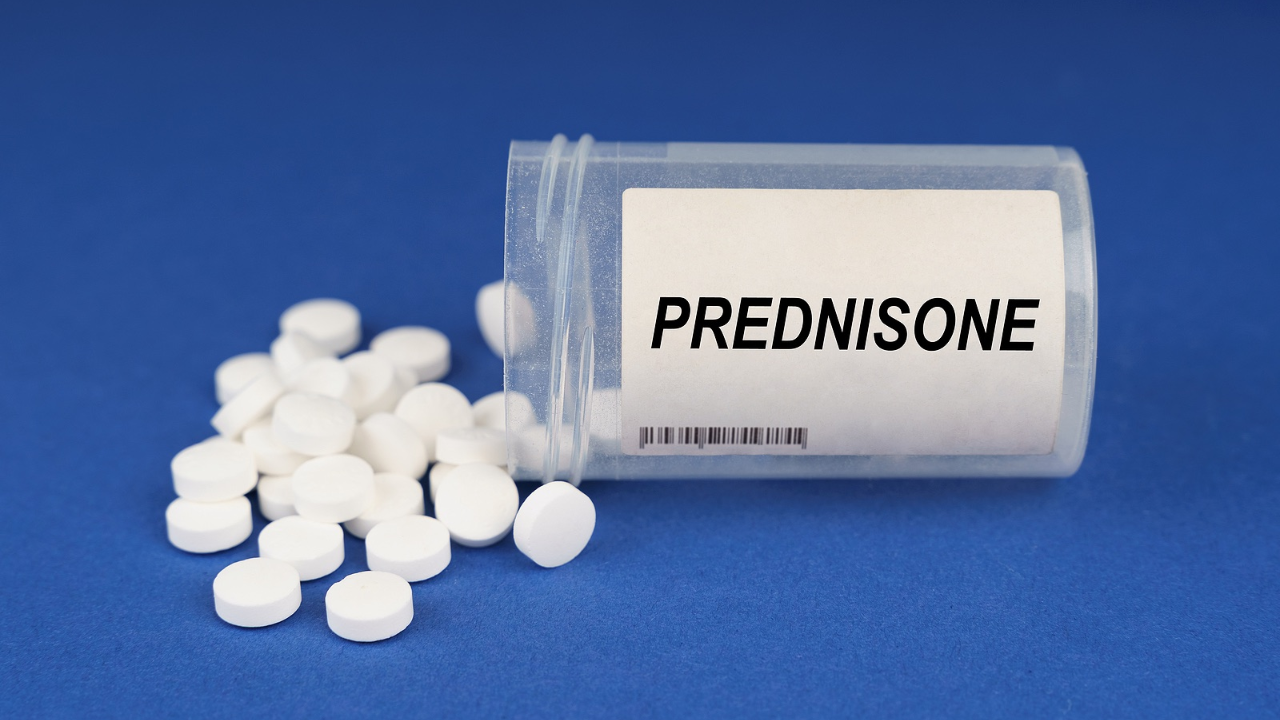
What Is Prednisone?
Prednisone is a corticosteroid medication that reduces inflammation by suppressing the immune system. Because rheumatoid arthritis is an autoimmune disease, the immune system mistakenly attacks the joints, causing pain, swelling, stiffness, and fatigue.
Prednisone works by calming down this immune response.
It is commonly prescribed for:
Rheumatoid arthritis flares
Severe joint pain and swelling
Morning stiffness
Bridging therapy while waiting for DMARDs or biologics to work
Other inflammatory autoimmune diseases
Prednisone is fast-acting compared to medications like methotrexate or biologics, which may take weeks or months to become effective.
Many patients notice improvement within hours to days.
Why Prednisone Works So Quickly
One reason prednisone is so commonly used in rheumatoid arthritis is that it rapidly decreases inflammation throughout the body.
When inflammation is high, the immune system releases inflammatory chemicals that attack the joints and contribute to symptoms such as:
Joint pain
Swelling
Stiffness
Fatigue
Warmth in the joints
Reduced mobility
Prednisone suppresses these inflammatory pathways quickly, which is why many people describe dramatic relief after starting the medication.
Some patients say:
They can finally get out of bed
Their morning stiffness improves
They can walk again
Their hands feel functional
Their exhaustion decreases
For people in severe pain, prednisone can temporarily restore quality of life.
The Problem With Long-Term Prednisone Use
Here is the shocking truth many people are not told early enough:
Prednisone treats symptoms very well, but it does not stop rheumatoid arthritis progression on its own.
While prednisone reduces inflammation, it does not fix the underlying autoimmune disease long term the way disease-modifying medications do.
This becomes a major problem when patients stay on prednisone for months or years.
Long-term corticosteroid use can lead to serious complications that affect nearly every organ system in the body.
Common Prednisone Side Effects
Prednisone Weight Gain
Prednisone weight gain is one of the most common frustrations patients experience.
This happens because prednisone can:
Increase appetite
Cause fluid retention
Alter fat distribution
Increase cravings for sugar and carbohydrates
Many people notice:
Belly weight gain
Facial puffiness or “moon face”
Swelling
Difficulty losing weight
Even low doses over time can contribute to metabolic changes.
Bone Loss and Osteoporosis
One of the most dangerous long-term prednisone side effects is bone thinning.
Corticosteroids reduce bone formation and increase bone breakdown, putting patients at higher risk for:
Osteoporosis
Fractures
Hip fractures
Spine compression fractures
This risk becomes even greater in:
Postmenopausal women
Older adults
Patients with low vitamin D
People who are physically inactive
Increased Infection Risk
Because prednisone suppresses the immune system, it can make it harder for the body to fight infections.
Patients taking corticosteroids may have an increased risk of:
Pneumonia
Urinary tract infections
Skin infections
Viral infections
Delayed wound healing
The higher the dose and the longer the duration, the greater the risk.
Blood Sugar Problems
Prednisone can increase blood glucose levels, even in people without diabetes.
For people with diabetes, prednisone can significantly worsen blood sugar control.
Symptoms may include:
Increased thirst
Frequent urination
Fatigue
Blurred vision
Mood and Sleep Changes
Prednisone affects more than just the joints.
It can also affect the brain and nervous system, leading to:
Anxiety
Irritability
Mood swings
Insomnia
Feeling “wired”
Depression
Some patients feel emotionally unlike themselves while taking corticosteroids.
High Blood Pressure and Heart Risk
Long-term inflammation already increases cardiovascular risk in rheumatoid arthritis.
Adding chronic steroid use may worsen:
Blood pressure
Cholesterol
Fluid retention
Cardiovascular strain
This is why rheumatologists try to minimize steroid exposure whenever possible.
Why Rheumatologists Try to Reduce Prednisone
Most rheumatologists do not want patients to stay on prednisone forever.
Instead, prednisone is usually used as:
A short-term rescue medication
A bridge while waiting for DMARDs to work
Temporary control during severe flares
The long-term goal is usually:
Low disease activity
Remission
Minimal steroid use
Better inflammation control through safer medications
Modern rheumatoid arthritis treatment focuses on controlling the autoimmune disease itself using medications such as:
Methotrexate
Biologics
JAK inhibitors
Other DMARDs
When these medications effectively control inflammation, prednisone can often be reduced or discontinued.
What Is a Steroid Taper?
One of the biggest mistakes patients make is suddenly stopping prednisone without medical supervision.
This can be dangerous.
When you take corticosteroids for a prolonged period, your body reduces its natural cortisol production. Suddenly stopping prednisone can lead to withdrawal symptoms and adrenal suppression.
A steroid taper is a gradual reduction in prednisone dose that allows the body time to adjust.
Symptoms of Steroid Withdrawal
Stopping prednisone too quickly may cause:
Severe fatigue
Joint pain
Weakness
Body aches
Dizziness
Nausea
Low blood pressure
This is why steroid taper plans should always be supervised by your physician.
Is Low-Dose Prednisone Safe?
This is one of the most common questions patients ask.
The answer is complicated.
Lower doses of prednisone generally carry fewer risks than high doses, but even low-dose corticosteroids may still contribute to:
Bone loss
Weight gain
Diabetes risk
Infection risk
Cardiovascular disease
Risk depends on:
Dose
Duration
Age
Other medical conditions
Overall inflammatory burden
For some patients, low-dose prednisone may still be necessary temporarily, especially when disease activity is severe.
The goal is always to use:
The lowest effective dose
For the shortest amount of time possible
The Hidden Impact of Inflammation
One reason prednisone can feel so powerful is that uncontrolled inflammation affects the entire body, not just the joints.
Inflammation in rheumatoid arthritis may contribute to:
Fatigue
Brain fog
Poor sleep
Depression
Muscle weakness
Cardiovascular disease
Many patients are surprised to learn that their exhaustion is not simply “being tired.”
Inflammation itself changes how the brain and nervous system function.
This is why controlling disease activity matters so much.
The better controlled your rheumatoid arthritis is, the less inflammation is circulating through your body.
What Actually Helps Long-Term Rheumatoid Arthritis Relief?
Prednisone may help temporarily, but sustainable rheumatoid arthritis management usually requires a more comprehensive approach.
1. Optimize Your RA Treatment Plan
Ask your rheumatologist:
Is my disease activity fully controlled?
Am I in remission or low disease activity?
Should we adjust my medications?
Is prednisone masking uncontrolled inflammation?
The goal is not just symptom relief.
The goal is to prevent joint damage and improve long-term quality of life.
2. Move Your Body Consistently
Research consistently shows that physical activity improves:
Fatigue
Joint function
Sleep quality
Mood
Strength
Energy levels
Many people fear exercise with rheumatoid arthritis, but appropriate movement is often one of the most effective non-drug tools available.
Helpful exercises may include:
Walking
Strength training
Water exercises
Cycling
Stretching
Physical therapy-guided movement
Exercise should be adjusted during active flares.
3. Improve Sleep Quality
Poor sleep and inflammation create a vicious cycle.
Pain disrupts sleep.Poor sleep worsens inflammation.More inflammation worsens fatigue and pain.
Sleep strategies include:
Consistent bedtime
Cooler room temperature
Limiting screens before bed
Managing nighttime pain
Evaluating for sleep apnea if needed
Sleep is where healing and recovery happen.
4. Address Stress and Mental Health
Living with a chronic autoimmune disease is emotionally exhausting.
Depression and anxiety are more common in rheumatoid arthritis and can worsen fatigue and pain perception.
Strategies that may help include:
Cognitive behavioral therapy
Mindfulness
Support groups
Stress reduction techniques
Counseling
Self-management programs
Mental health support is part of rheumatoid arthritis care.
5. Focus on Anti-Inflammatory Nutrition
Nutrition cannot cure rheumatoid arthritis, but it can support immune health and reduce inflammatory burden.
An anti-inflammatory approach may include:
Omega-3-rich foods
Vegetables
Fruits
Fiber-rich foods
Lean proteins
Healthy fats
Limiting:
Ultra-processed foods
Excess sugar
Refined carbohydrates
may also help support overall health and energy.
Questions to Ask Your Rheumatologist About Prednisone
At your next appointment, consider asking:
Is my rheumatoid arthritis fully controlled?
Do I still need prednisone?
What are the risks of staying on corticosteroids long term?
Can we create a steroid taper plan?
What medications can better control my inflammation?
Should I have a bone density scan?
How can I reduce prednisone side effects?
Advocating for yourself matters.
Frequently Asked Questions About Prednisone for Rheumatoid Arthritis
1. How long can you safely take prednisone for rheumatoid arthritis?
Prednisone is generally safest when used short-term and at the lowest effective dose. Long-term use increases the risk of serious side effects such as osteoporosis, diabetes, infections, and weight gain.
2. Does prednisone stop rheumatoid arthritis progression?
Prednisone reduces inflammation and symptoms, but it does not reliably prevent long-term joint damage on its own. DMARDs and biologics are usually needed for disease control.
3. Why does prednisone cause weight gain?
Prednisone increases appetite, changes metabolism, causes fluid retention, and alters fat distribution, which can contribute to prednisone weight gain.
4. Can you stop prednisone suddenly?
No. Stopping prednisone abruptly can be dangerous, especially after long-term use. A supervised steroid taper is usually necessary.
5. Are corticosteroids bad for rheumatoid arthritis?
Corticosteroids can be very helpful in the short term for controlling inflammation and severe flares. Problems usually occur with prolonged use and higher doses.
Prednisone can be incredibly effective for short-term rheumatoid arthritis relief, especially during painful flares and periods of uncontrolled inflammation. For many patients, it provides fast relief that helps restore function and quality of life.
But the shocking truth is that long-term prednisone use can quietly create serious health complications over time.
Understanding the balance between benefit and risk is essential.
The goal in rheumatoid arthritis treatment is not simply temporary symptom relief. The goal is long-term disease control, reduced inflammation, protection from joint damage, improved energy, and a better quality of life with the lowest steroid exposure possible.
That is why working closely with your rheumatologist matters.
Talk openly about:
Your fatigue
Your pain
Your sleep
Your medication's side effects
Your prednisone concerns
Your long-term treatment goals
There are evidence-based strategies that can help you feel better while protecting your long-term health.
Talk to your rheumatologist if you are struggling with prednisone side effects, uncontrolled rheumatoid arthritis symptoms, fatigue, or inflammation. If you are in North Carolina and looking for a rheumatologist who will listen to your concerns, answer your questions clearly, and help you create a comprehensive treatment strategy, you can book an appointment through www.empoweredarthritis.com for a comprehensive evaluation and a personalized care plan tailored to you.
If you are outside North Carolina or outside the United States but still want education, guidance, and support, you are welcome to join my free exclusive rheumatoid arthritis community, where you can connect directly with me and other rheumatoid arthritis warriors who truly understand what you are going through. Inside the community, we discuss real-life rheumatoid arthritis challenges, medications, treatment options, lifestyle strategies, fatigue, flares, sleep, inflammation, nutrition, and more through future group discussions and educational resources.
I also have free resources available for you:
📘 Grab a copy of The Holistic Rheumatoid Arthritis Guide for step-by-step support
🥤 Download my FREE Rheumatoid Arthritis pain relief smoothie recipe
You do not have to navigate rheumatoid arthritis fatigue alone.
