
Sulfasalazine for Rheumatoid Arthritis
Living with rheumatoid arthritis can feel overwhelming. Joint pain, swelling, stiffness, fatigue, and uncertainty about treatment can make everyday life harder than it should be. If your doctor recently prescribed sulfasalazine for rheumatoid arthritis, you may have searched online and found frightening side effects or negative stories that made you question whether you should take it.
The truth is that rheumatoid arthritis is not just joint pain. It is an autoimmune disease that can silently damage joints, bones, and even internal organs over time. Sulfasalazine is one of the medications used to slow this damage and protect your long-term health. It has been used for decades, is supported by strong medical evidence, and remains an important treatment option for many people with rheumatoid arthritis.
In this article, you will learn how sulfasalazine works, why rheumatologists prescribe it, possible side effects, pregnancy safety, monitoring requirements, and what you can do to improve your success with treatment.
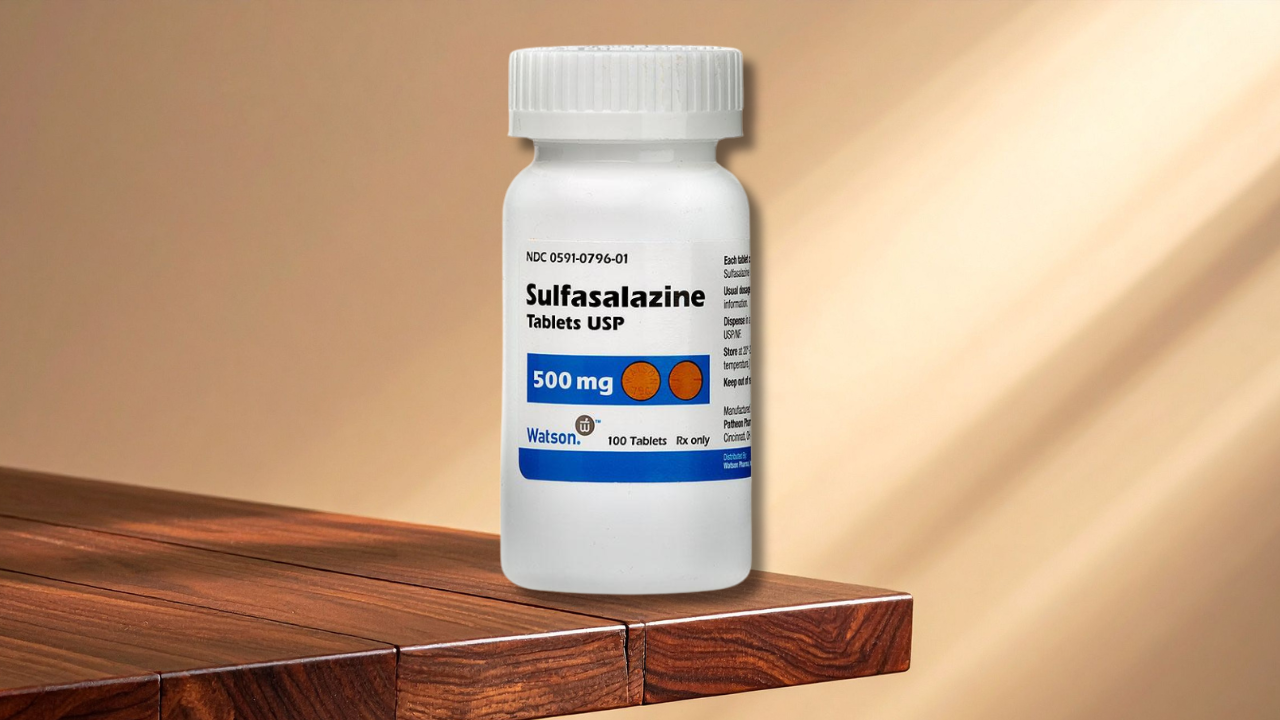
What Is Sulfasalazine?
Sulfasalazine is a disease-modifying antirheumatic drug, also called a DMARD. Unlike pain medications that temporarily reduce discomfort, DMARDs target inflammation that causes joint destruction in rheumatoid arthritis.
Sulfasalazine has been used since the 1940s and continues to be widely prescribed because of its effectiveness, affordability, and long-term safety record.
What Sulfasalazine Does
Sulfasalazine helps:
Reduce inflammation
Decrease joint swelling and stiffness
Slow or prevent joint damage
Improve physical function
Lower the risk of long-term disability
Without proper treatment, rheumatoid arthritis can permanently damage cartilage and bone. Once joints are destroyed, they cannot fully regenerate. That is why early treatment matters.
Why Sulfasalazine Is Important in Rheumatoid Arthritis
Many people hesitate to start medication because they are worried about side effects. However, untreated rheumatoid arthritis often carries far greater risks than the medication itself.
Rheumatoid Arthritis Can Cause Permanent Damage
Rheumatoid arthritis is a progressive autoimmune disease. Even if symptoms come and go, inflammation may still be damaging joints underneath the surface.
Untreated rheumatoid arthritis may lead to:
Loss of mobility
Chronic pain
Fatigue
Increased heart disease risk
Lung complications
Osteoporosis
Reduced quality of life
Sulfasalazine helps reduce this ongoing inflammation before irreversible damage occurs.
How Sulfasalazine Works
Sulfasalazine works by calming abnormal immune system activity that triggers inflammation in rheumatoid arthritis.
Although researchers do not completely understand every mechanism, the medication appears to reduce inflammatory chemicals and immune activity that attack healthy joints.
This Is Not Just a Pain Reliever
Pain relievers like ibuprofen or acetaminophen may temporarily reduce discomfort, but they do not stop joint destruction.
Sulfasalazine is different because it targets the disease process itself.
That is why rheumatologists often recommend starting DMARD therapy early after diagnosis.
Benefits of Sulfasalazine for Rheumatoid Arthritis
1. It Helps Prevent Joint Damage
One of the biggest benefits of sulfasalazine is its ability to slow the progression of rheumatoid arthritis.
Protecting joints early can help preserve:
Grip strength
Mobility
Independence
Physical function
2. It Can Work Faster Than Some RA Medications
Some rheumatoid arthritis medications may take several months before improvement occurs.
Sulfasalazine may begin helping within 4 to 12 weeks for many patients.
That faster response can make a significant difference for people struggling with severe morning stiffness or active inflammation.
3. It Works Well in Combination Therapy
Sulfasalazine is commonly combined with other medications, such as:
Methotrexate
Hydroxychloroquine
This combination is often called “triple therapy.”
Research has shown that triple therapy can sometimes work similarly to biologic medications for certain patients while costing significantly less.
4. It May Delay the Need for Biologics
Biologic medications can be extremely effective, but they are often expensive and may require injections or infusions.
For some people, adding sulfasalazine improves disease control enough to delay or avoid biologic therapy.
5. It Is More Affordable Than Many Advanced Treatments
Cost is a major barrier for many people with rheumatoid arthritis.
Compared to biologic medications, sulfasalazine is generally much more affordable while still providing meaningful disease control.
This makes it an important treatment option worldwide.
Sulfasalazine and Pregnancy
One reason rheumatologists frequently use sulfasalazine is that it is considered one of the safer rheumatoid arthritis medications during pregnancy.
Is Sulfasalazine Safe During Pregnancy?
According to rheumatology guidelines, sulfasalazine is generally considered compatible with pregnancy and breastfeeding when medically appropriate.
This is important because many rheumatoid arthritis medications cannot be safely used during pregnancy.
Folic Acid Is Important
Sulfasalazine can interfere with folic acid absorption.
People taking sulfasalazine, especially during pregnancy, are often advised to take folic acid supplementation. Your rheumatologist or obstetrician will help determine the right dosage for you.
Never start or stop medications during pregnancy without medical guidance.
Common Side Effects of Sulfasalazine
Most people want to know one thing first:
“What are the side effects?”
The most common side effects include:
Nausea
Upset stomach
Headache
Loss of appetite
Mild rash
Orange urine or sweat
The orange discoloration may look alarming, but it is harmless and caused by the medication itself.
Side Effects Often Improve Over Time
Many side effects happen during the first few weeks or months of treatment.
A gradual dose increase helps reduce stomach-related symptoms.
Your doctor may recommend:
Starting with a low dose
Increasing slowly over several weeks
Taking the medication with food
These strategies improve tolerability for many people.
Serious Side Effects to Know About
Serious side effects are less common but still important to monitor.
Possible serious reactions include:
Severe allergic reactions
Significant liver abnormalities
Low blood counts
Severe skin reactions
This is why regular blood testing is essential.
Contact your healthcare provider immediately if you develop:
Fever
Severe rash
Mouth sores
Unusual bruising
Shortness of breath
Yellowing of the skin or eyes
Why Blood Tests Matter
Routine blood monitoring helps detect problems early before they become serious.
Your rheumatologist may monitor:
Liver function
Blood counts
Kidney function
Monitoring schedules vary, but blood work is especially important during the first few months after starting treatment.
Sulfasalazine Success Checklist
If you want the best results with the fewest side effects, these strategies can help.
Take It With Food
Taking sulfasalazine with meals may reduce nausea and stomach irritation.
Increase Slowly
A slow dose escalation often improves tolerability.
Stay Consistent
Skipping doses or stopping medication suddenly may increase the risk of rheumatoid arthritis flares.
Take Folic Acid if Recommended
This is especially important for pregnancy planning and long-term health.
Keep Up With Blood Tests
Monitoring helps keep treatment safe and effective.
What Happens If You Stop Sulfasalazine?
Some people stop rheumatoid arthritis medication once they start feeling better.
Unfortunately, that can be dangerous.
Feeling better often means the medication is working.
Stopping treatment without medical supervision may increase the risk of:
Disease flares
Increased inflammation
Permanent joint damage
Loss of disease control
Always speak with your rheumatologist before making medication changes.
Who Should Not Take Sulfasalazine?
Sulfasalazine may not be appropriate for everyone.
Tell your doctor if you have:
Sulfa allergies
Severe liver disease
Severe kidney disease
Certain blood disorders
G6PD deficiency
Your rheumatologist will help determine whether this medication is appropriate for your situation.
How Long Does Sulfasalazine Take to Work?
This is one of the most common questions patients ask.
Some people notice improvement within several weeks, but full benefits may take up to 3 months or longer.
Consistency matters.
Rheumatoid arthritis treatment is often a long-term strategy focused on protecting your future joints and quality of life.
Sulfasalazine vs Methotrexate
Methotrexate is often considered the first-line medication for rheumatoid arthritis, but sulfasalazine remains extremely valuable.
Key Differences

Many people take both medications together successfully.
Why Fear of Medication Can Be Dangerous
Social media and online forums often highlight worst-case experiences.
What you may not see are the millions of people who quietly take these medications successfully while preventing serious joint damage.
The real danger is not always the medication.
Sometimes the greatest danger is uncontrolled rheumatoid arthritis.
Frequently Asked Questions About Sulfasalazine for Rheumatoid Arthritis
-
Sulfasalazine is considered a disease-modifying antirheumatic drug. It is designed to reduce inflammation and protect joints from long-term damage.
-
Some people notice improvement within 4 to 12 weeks, but full benefits may take several months.
-
Weight gain is not considered a common side effect of sulfasalazine.
-
Some people may be able to drink alcohol in moderation, but you should discuss this with your doctor because liver monitoring is important.
-
Sulfasalazine is often considered one of the safer rheumatoid arthritis medications during pregnancy when supervised by a physician.
Sulfasalazine remains one of the most important medications used in rheumatoid arthritis treatment. It has decades of research behind it, helps reduce inflammation, slows joint destruction, and can improve long-term quality of life when used appropriately.
While side effects are possible, many are manageable and improve with time. The risks of untreated rheumatoid arthritis are often far more serious than the medication itself.
The goal of rheumatoid arthritis treatment is not simply pain relief. The goal is to protect your joints, mobility, independence, and long-term health.
Talk with your rheumatologist before stopping or avoiding treatment based on fear alone. Science-backed treatment decisions can make a major difference in your future.
If you are in North Carolina and looking for a rheumatologist who can provide clear answers about your symptoms and treatment options, you can book an appointment through Empowered Arthritis & Rheumatology Center for a comprehensive evaluation and a personalized care plan tailored to you.
If you are outside North Carolina or outside the United States but still want guidance and support, you are welcome to join my free, exclusive community. Inside, you will be able to connect directly with me, interact with other rheumatoid arthritis warriors who truly understand what you are going through, and join future group calls where we discuss real-life RA challenges, treatment options, lifestyle strategies, flare management, medications, and more.
This community is designed to give you education, encouragement, and a safe space to ask questions without feeling alone in your journey. I would be happy to help provide clarity, answer your questions, and guide you toward building a plan so you can feel more confident and informed about your next steps.
I also have free resources available for you:
📘 Grab a copy of The Holistic Rheumatoid Arthritis Guide for step-by-step support
🥤 Download my FREE Rheumatoid Arthritis pain relief smoothie recipe
