
STOP Believing These Prednisone Myths
If you’ve ever been prescribed prednisone, chances are you’ve heard alarming warnings about it. From weight gain to bone damage, prednisone myths are everywhere, and they can create unnecessary fear and confusion.
The truth? Prednisone is one of the most powerful and effective tools in managing inflammatory conditions like rheumatoid arthritis when used correctly.
In this article, we’ll break down the most common prednisone myths, explain what’s actually true, and help you feel more confident about your treatment decisions.
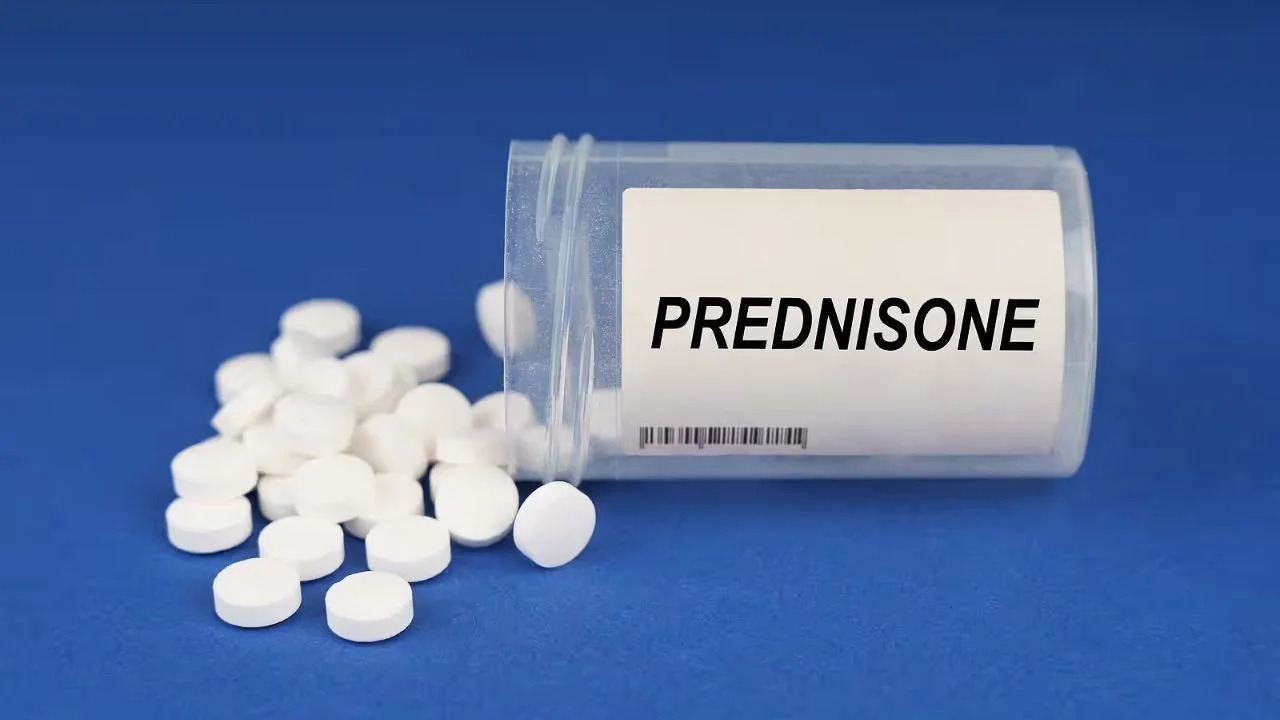
What Is Prednisone and Why Is It Prescribed?
Prednisone is a corticosteroid medication used to reduce inflammation and suppress the immune system. It is commonly prescribed for:
Rheumatoid arthritis
Lupus
Asthma
Allergic reactions
Other autoimmune conditions
Why doctors use prednisone
Prednisone works fast, much faster than many long-term medications. While disease-modifying treatments can take weeks or months to show results, prednisone can relieve symptoms within hours to days.
That’s why it’s often used strategically rather than permanently.
Myth #1: Prednisone Is a Long-Term Solution
The Truth: Prednisone Is a Bridge, Not a Destination
One of the most common prednisone myths is that it’s meant to be used forever.
That’s not how it works.
Prednisone is best thought of as a bridge therapy. It helps:
Control severe inflammation quickly
Reduce pain during flares
Provide relief while long-term medications begin working
Example
If you’re newly diagnosed with rheumatoid arthritis, your doctor may prescribe prednisone to control symptoms while waiting for medications like methotrexate to take effect.
Key takeaway
Prednisone = short-term support
Long-term control = other medications
Myth #2: You Will Be on Prednisone Forever
Prednisone Is Temporary
Another widespread fear is that once you start prednisone, you’ll never stop.
In reality, the goal is always:
Lowest dose possible
Shortest duration possible
Why this matters
Long-term use can increase the risk of side effects, which is why physicians carefully plan:
When to start
How long to continue
When and how to taper
What you should do
Ask your doctor:
“What is the plan to taper this medication?”
“How long do you expect me to be on this?”
Being proactive helps you stay in control of your treatment.
Myth #3: Side Effects Are Inevitable and Uncontrollable
Side Effects Can Be Managed
Yes, prednisone can cause side effects—but the idea that they are unavoidable is one of the most misleading prednisone myths.
Many side effects can be reduced or managed with the right strategies.
Common side effects include:
Weight gain
Mood changes
Increased blood sugar
Sleep disturbances
How to manage them
A simple lifestyle framework can make a big difference:
Nutrition
Focus on whole, anti-inflammatory foods
Reduce processed sugars
Limit excess sodium
Exercise
Maintain regular movement
Include strength training to support bone health
Sleep
Prioritize consistent sleep routines
Avoid stimulants late in the day
Stress management
Practice mindfulness or relaxation techniques
Important reminder
Always ask your rheumatologist:
“What can I do to prevent side effects?”
There are often medical and lifestyle strategies available that you may not be aware of.
Myth #4: Prednisone Is Dangerous and Should Be Avoided
Prednisone Is Safe When Used Correctly
This is one of the most damaging prednisone myths—because it can lead people to avoid a medication that could significantly improve their quality of life.
Why is prednisone valuable?
Prednisone is a powerful anti-inflammatory tool that:
Reduces inflammation quickly
Prevents joint damage
Improves function and mobility
The key is proper use
Prednisone is safe when:
Used at the right dose
Used for the right duration
Monitored by a physician
Think of it this way
It’s not the medication itself that’s the problem—it’s how it’s used.
Myth #5: You Can Stop Prednisone Suddenly
Stopping Suddenly Can Be Dangerous
This is not just a myth—it can be a serious medical risk.
Why tapering is essential
When you take prednisone, your body reduces its natural production of cortisol (a vital hormone).
If you stop suddenly:
Your body may not produce enough cortisol
This can lead to a serious condition called adrenal crisis
Symptoms of adrenal crisis may include:
Severe fatigue
Low blood pressure
Dizziness
Nausea or vomiting
What you should do
Never stop prednisone abruptly
Follow your doctor’s tapering schedule carefully
Communicate any symptoms during tapering
Simple analogy
Think of tapering like walking down stairs—not jumping from the top.

Key Takeaways About Prednisone Myths
Let’s summarize the truth behind these prednisone myths:
Prednisone is a bridge, not a long-term solution
It is temporary, not permanent
Side effects can be managed and minimized
It is safe when used correctly
Tapering is essential to avoid complications
FAQ: Prednisone Myths
-
Yes, when used at the right dose and duration under medical supervision, prednisone is safe and effective.
-
It depends on your condition, but it is typically prescribed for short-term use.
-
Yes, with proper nutrition, exercise, and monitoring, weight gain can be minimized.
-
Tapering allows your body to resume natural cortisol production and prevents adrenal crisis.
-
Not always, but it is often used as a short-term tool to control inflammation quickly.
Prednisone is not something to fear—it’s something to use wisely.
If you’re currently taking prednisone or considering it, the most important step is to have an open and informed discussion with your rheumatologist.
If you’re in North Carolina and looking for a rheumatologist who can give you clear, personalized answers about your symptoms, you can book an appointment atwww.empoweredarthritis.com
You’ll receive a comprehensive evaluation and a personalized care plan tailored to you.
If you’re outside North Carolina or the United States but still want guidance, you can schedule a one-on-one coaching session with me. I’d be happy to answer your questions, provide clarity, and help you create a plan so you can feel more confident about your next steps.
📘 Grab a copy of The Holistic Rheumatoid Arthritis Guide for step-by-step support
🥤 Download my FREE Rheumatoid Arthritis pain relief smoothie recipe
